Skip to content
Race directors live with an awkward budget truth: the finisher gift is the line item everybody remembers and nobody can justify overspending. Medals are expected, shirts are size-management misery, and most small-token alternatives end up in the trash bin by the parking lot. Rubber ducks have quietly solved this problem for a growing family of events, fun runs, charity 5Ks, kids’ fun dashes and full destination marathons, because a themed duck is cheap enough to scale, light enough to ship in bulk, and memorable enough to end up on a desk instead of in a drawer. This guide walks race organizers and their sponsors through sizing the order, theming it to the event, and timing production against a race calendar that does not move.
Why Ducks Work as Finisher Gifts
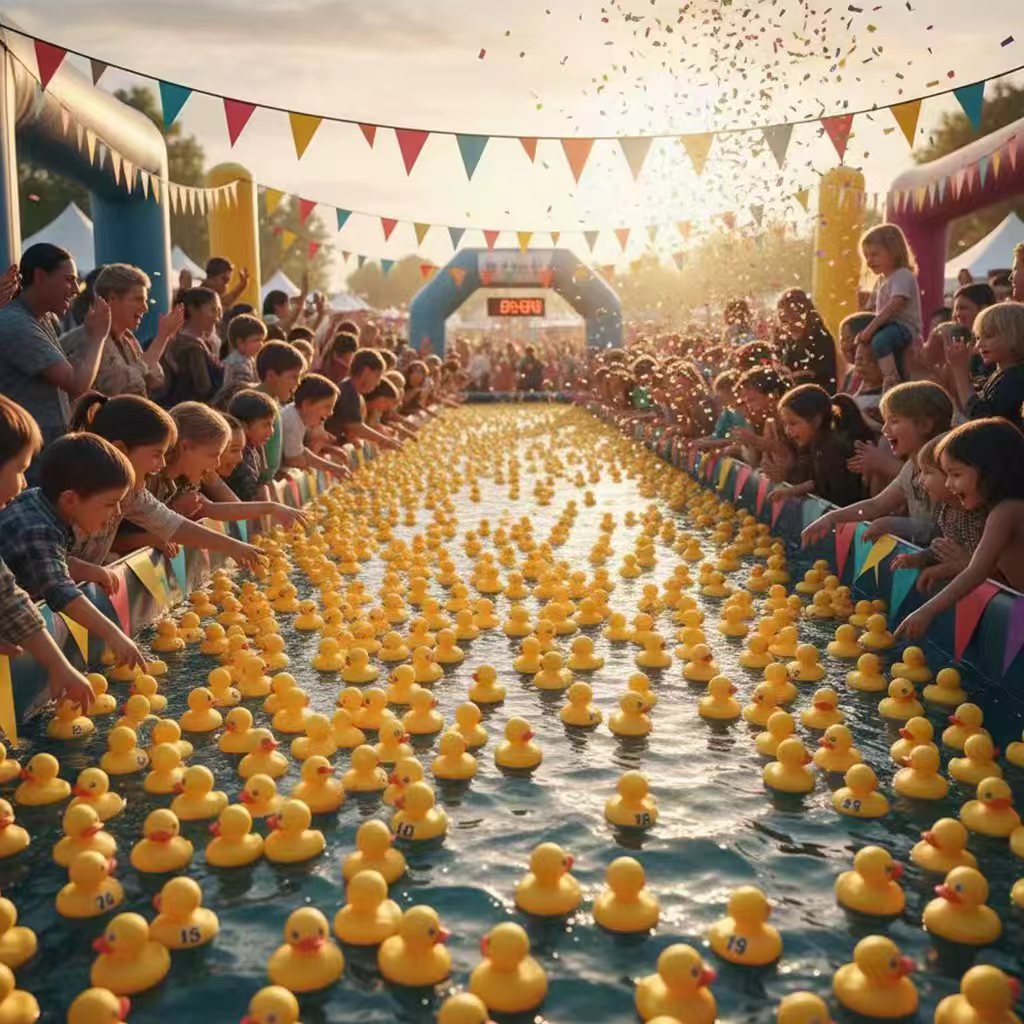
Three properties make ducks race-native. First, emotion: finish lines are photo moments, and a duck wearing a race bib or a medal is a photo that markets your next event for free, which is exactly the multiplier medals stopped delivering when they moved into dresser drawers. Second, safety and inclusivity: a duck is a gift the whole family fights over, kids included, and it carries none of the sizing, allergy or age-gate issues that shirts, snacks or alcohol-adjacent swag raise. Charity events add a fourth angle, because a themed duck becomes a collectible that donors seek across event years, turning one gift decision into a series. Organizers sanctioning events under national governing bodies such as the Road Runners Club of America typically plan finisher gifts months ahead, and the duck fits that lead time naturally.
Sizing the Order Against the Field
Order math starts from realistic finishers, not registrants. A practical planning chain: registered runners, minus a no-show rate that varies by event size and weather, plus a buffer for volunteers, sponsors and the finish-line photo requests that consume extras. MOQ is the other constraint: our custom duck program starts at 1,000 pieces, which covers a mid-size 5K or a themed fun run in one order, and larger marathons typically split orders across event distances, a full-marathon duck, a half, a 5K, so each finisher group gets its own collectible. Sponsors change this arithmetic in a good way: co-branded ducks split across sponsor budgets turn one order into several funding lines, and sponsor logos can live on the packaging or the bib detail rather than dominating the duck itself. Our bulk duck program page breaks down how mixed-logo orders can share a production run.
Theming: From Generic to Collectible
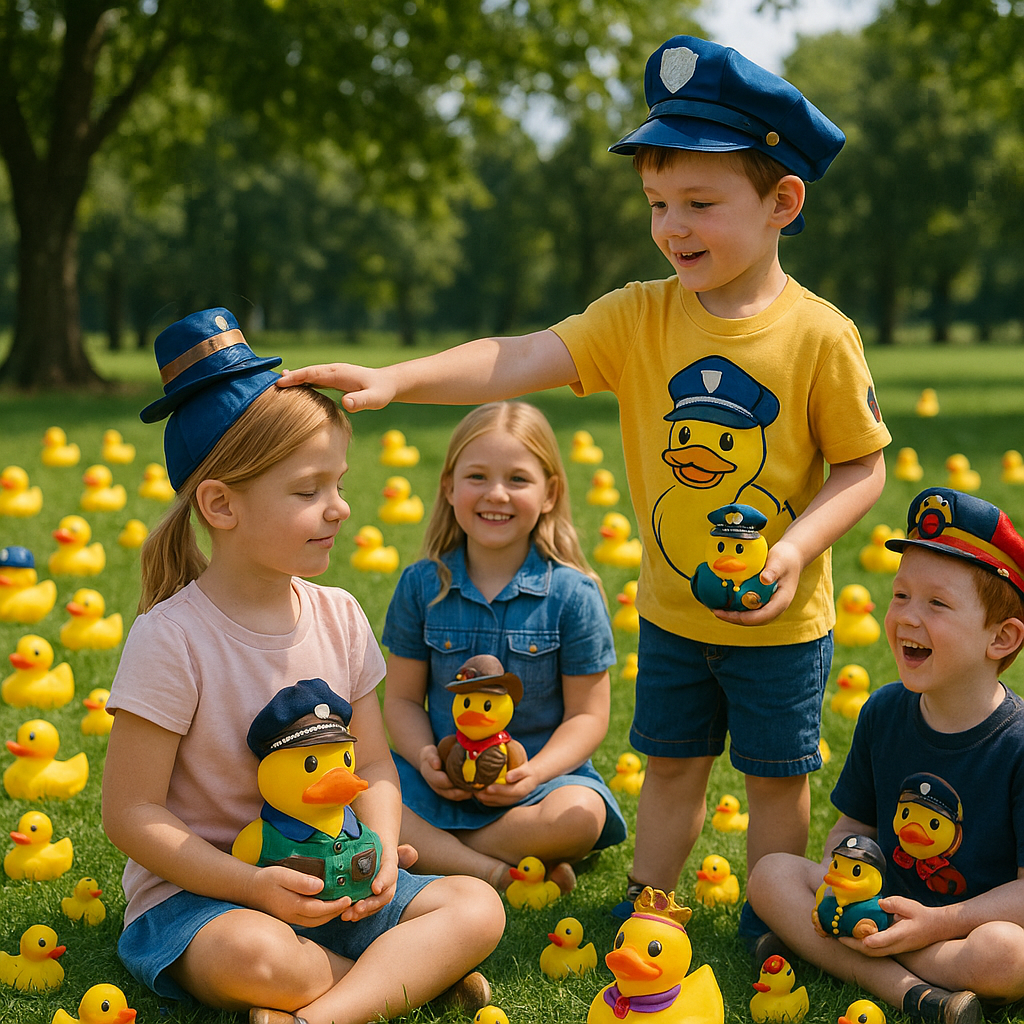
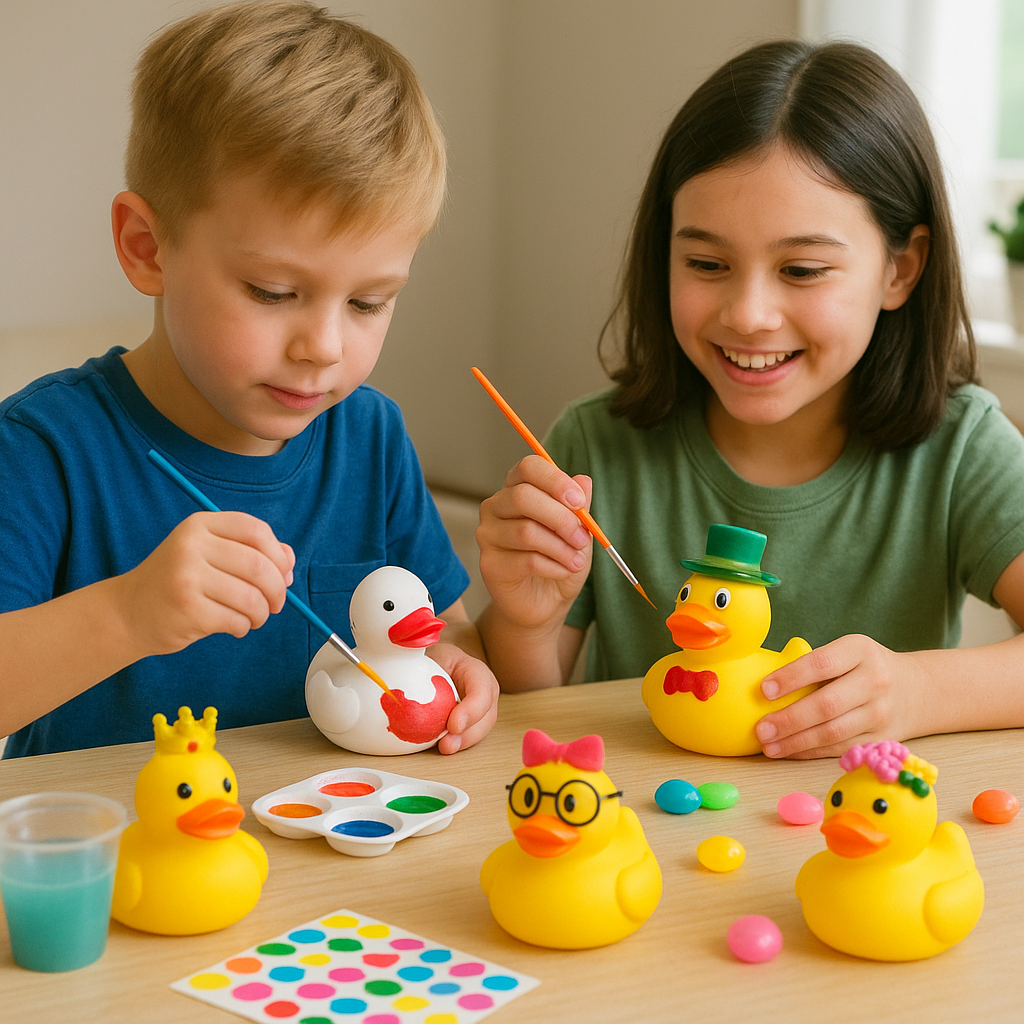
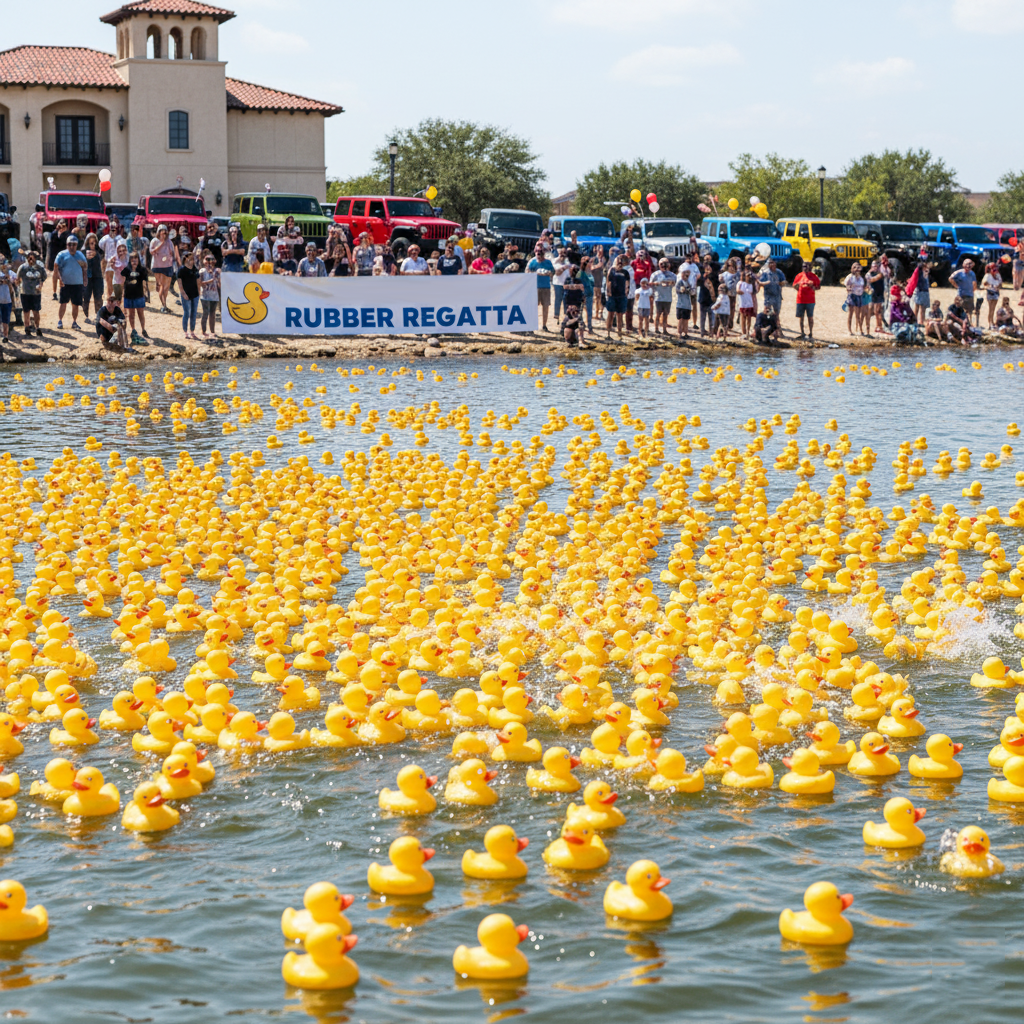
The difference between a giveaway duck and a collectible duck is event specificity, and it costs less than most organizers expect. A race duck earns its keep with three touches: the event year molded or printed on it, the distance or event name on the bib detail, and one design element native to the race, a medal sculpted around its neck, a city landmark on its head, or the charity’s mascot reimagined as a duck. Year-over-year continuity turns the design work into an asset: runners who collected last year’s duck hunt the new one, and social photos do the launch marketing. Color variants by distance, gold for full, silver for half, a bright signature color for the 5K, add collectible structure without new tooling, since color is a run-level change on the same mold.
Timeline: Working Backwards from Race Day
Race dates are immovable, so the production calendar works backwards. Our standard custom duck timeline runs from artwork mockup in as little as 12 hours to first samples in about 7 days, then mass production and ocean freight; buyers on compressed timelines use air freight for partial quantities and sea for the balance. The realistic planning guidance: lock artwork at least three months before race day for a sea-freight order, and four months if the design needs a new custom mold rather than a stock mold with printed customization. Event-week logistics are gentler than most swag: ducks are light, unbreakable and unrefrigerated, so they can arrive early, store anywhere, and be sorted into finish-line bins by volunteers without special handling. For events shipping participant packets in advance, ducks also drop-ship cleanly; our guide to virtual event attendee shipping covers that playbook in detail.
FAQ
How many ducks should a race order?
Start from expected finishers rather than registrants, then add a buffer for volunteers, sponsors and finish-line photos. MOQ 1,000 covers most 5K and fun-run orders.
Can each race distance get its own duck?
Yes. Distance variants are usually color runs on the same mold, so a marathon, half and 5K can each have a signature color without separate tooling costs.
How early should race ducks be ordered?
Lock artwork about three months before race day for sea freight, four months for a new custom mold. Mockups come back in about 12 hours and samples in about 7 days.
Can sponsors be included without wrecking the design?
Yes. Sponsor logos live best on packaging, bib details or as a small co-brand mark, and mixed-logo orders can share one production run to keep sponsor budgets separate.
Do ducks work for virtual races?
Extremely well. They are light and unbreakable, so they drop-ship in participant packets without damage; our virtual event shipping guide covers the packing details.
Video: Finish Line Energy
Planning finisher gifts for your next race? Send the event theme and quantity for a quote and mockup: our custom duck program returns artwork in about 12 hours.