Skip to content
Every duck buyer eventually meets the gap between the approved sample bag and the production cartons: the yellow is a step warmer, the print sits a millimeter off, the gloss is not quite the gloss. Sometimes it is a quality failure; more often it is a specification that was never frozen. This guide explains where sample-to-production drift comes from and which controls keep duck number fifty thousand matching duck number one.
Where Drift Comes From
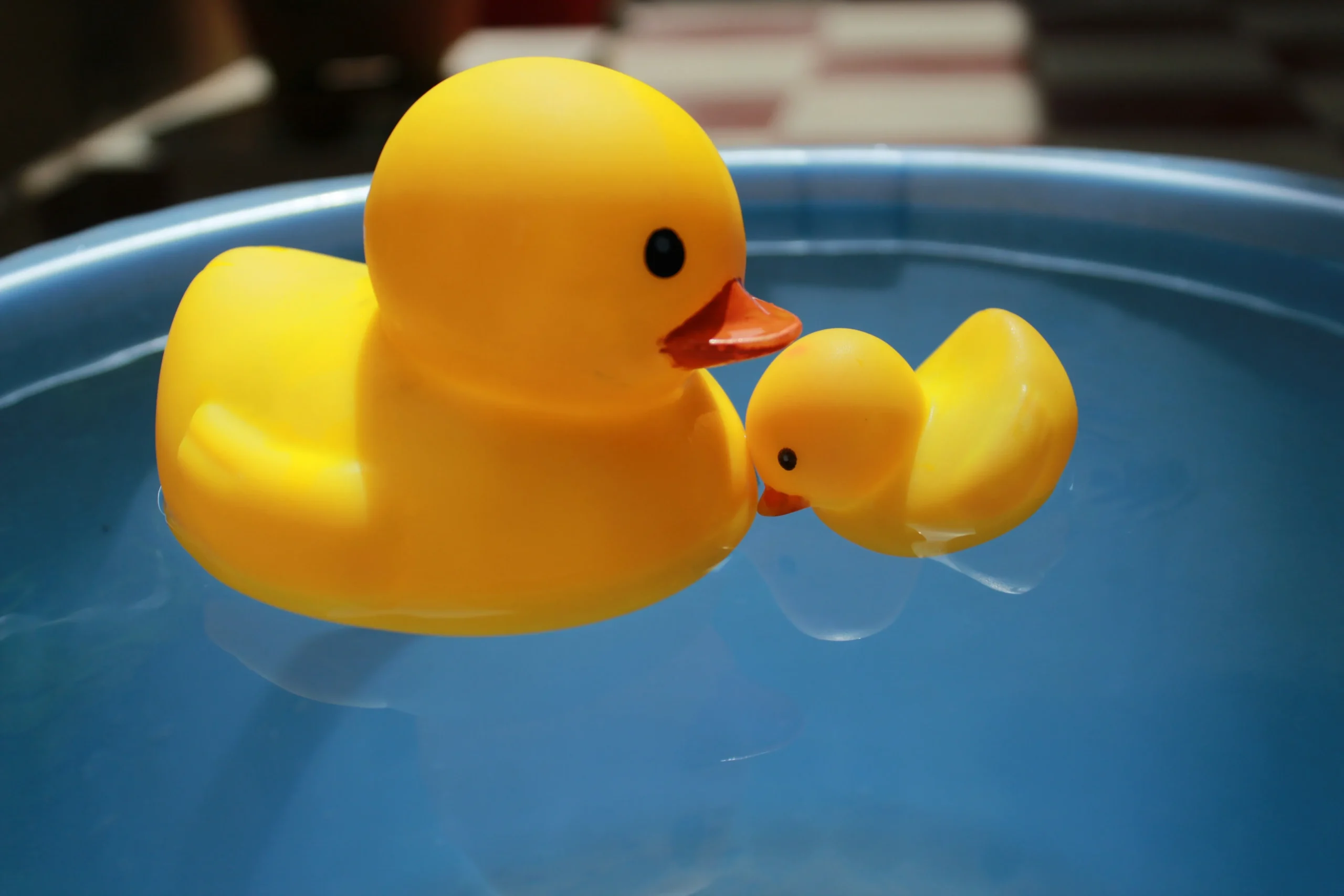
Sample drift is material and process physics, not carelessness. Color shifts because pigment dispersion varies between small hand-mixed sample batches and tonne-scale production mixes. Weight and wall thickness move as PVC plastisol temperature and mold dwell stabilize across a production day. Hand-painted details shift with the painter, the brush load and the drying position. And finish gloss changes with furnace conditions that no two weeks reproduce exactly. None of these forces can be eliminated; they can only be bounded, and bounding them is what the specification is for. The reason the gap surprises buyers is that samples are made slowly and carefully in the exact conditions production will never enjoy again, so the sample is a promise the process must be managed to keep. Our supplier selection guide covers how factories differ on that promise. Photographs hide more than they reveal: a sample photo taken in warm light makes a cooler production batch look wrong when the ducks match under the standard light the spec should have named, which is why color disagreements end at the light box, not in the email thread.
The Golden Sample and the Controls That Honor It
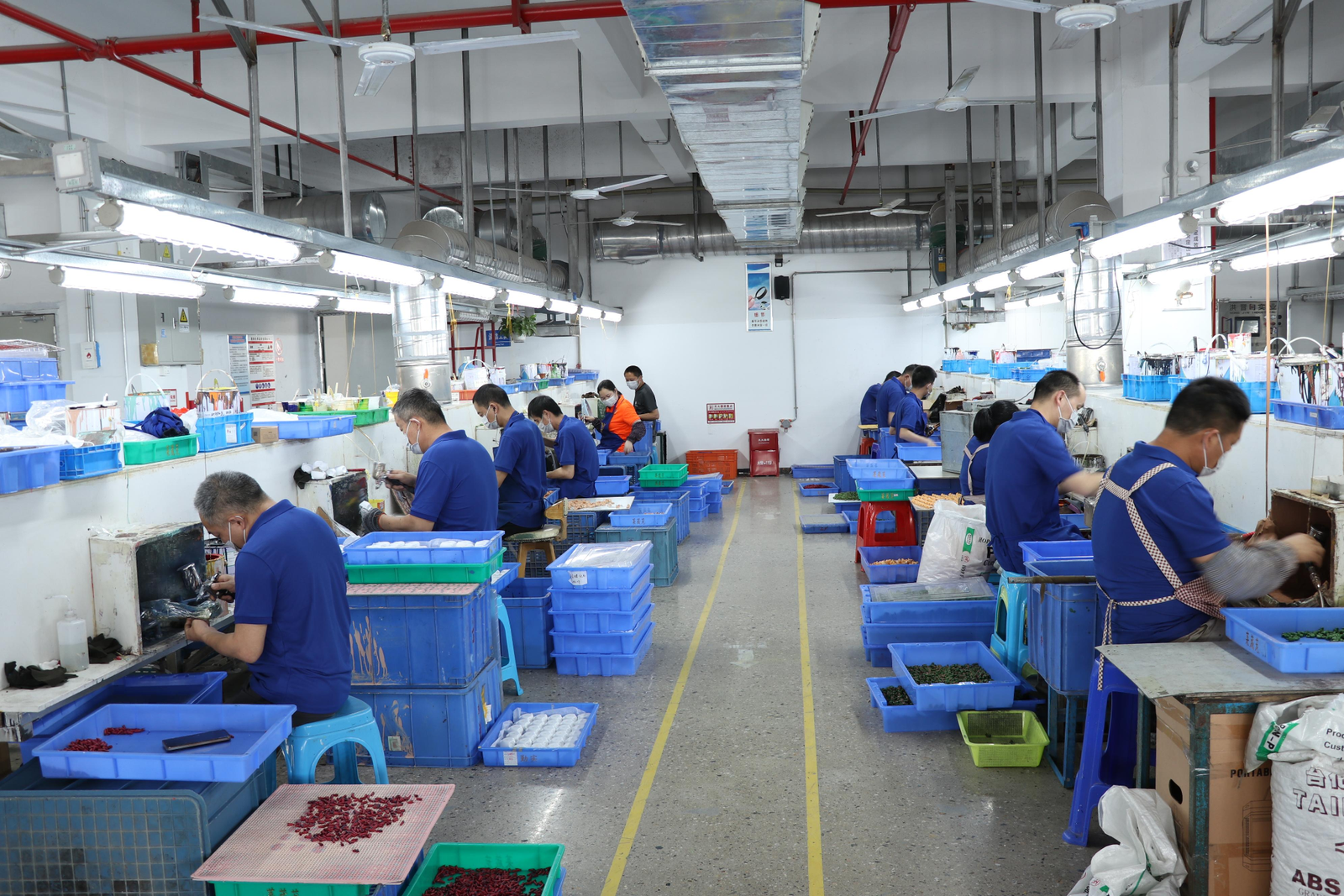
The working instrument is a sealed golden sample: signed by both sides at approval, split so buyer and factory hold identical references, and written into the purchase order as the definition of acceptable. Controls then run against it. Color is checked at the line against the golden sample under standard light, not against memory. Weight and dimensions are measured on a sampling cadence, first-article and then hourly checks, because drift is gradual and catches watches. Print position uses a fixture, not eyeballing. And in-process inspection, which in our plant sits between molding and packing with a five-checkpoint flow, catches a drifting batch while it can still be corrected rather than after packing when it can only be argued about. The acceptance terms that matter for volume programs, including where MOQ 1,000 fits into phased runs, are laid out in our MOQ guide. First-article checks anchor the start of the run and end-of-line audits anchor the finish; the middle belongs to the hourly cadence.
Why Production Conditions Move
A production run is a living process, and naming its variables explains most disagreements. Mold temperature and plastisol viscosity wander as machines run for hours, which moves wall thickness and surface finish. Ambient humidity changes how paint dries and how ink sits on vinyl. New operators on a second shift hold a hand-paint brush differently. Tooling wears: a mold on its ten-thousandth cycle carries edges the first-mold sample never showed. Mature factories bound these variables with process windows and scheduled tool maintenance, and they say no to schedules that force shortcuts. Buyers should ask how a factory bounds drift, not whether drift exists, because the honest answer to whether is always yes. Toy-material standards such as those published by ASTM International frame testing against defined processes for exactly this reason: a claim is only checkable when the process behind it is defined. Record the process windows too: a factory that can state its mold temperature range and dwell time can hold them, and one that cannot has nothing to hold. None of this requires the buyer on site; it requires the buyer’s numbers on the factory wall.
Writing Acceptance Into the Purchase Order
Three terms turn this from goodwill into contract. First, the golden sample reference by code and date, with the statement that production matches it for color, weight, dimension and finish within agreed tolerances. Second, an inspection standard with sampling severity named, so a third-party inspector checks against a defined method rather than vibes. Third, a disposition clause for out-of-tolerance goods: rework, discount or rejection, agreed before anyone is emotionally invested. Buyers running repeat programs should also archive golden samples by season, because reorder consistency is judged against last year’s shipment, not against a memory of it. When both sides hold the same sealed reference and the same numbers, the conversation about duck number fifty thousand takes minutes instead of emails.
FAQ
Why does bulk production differ from the sample?
Small sample batches and tonne-scale production mix and cure differently, so color, weight and finish move inside a range. Controls bound the range; nothing eliminates it.
What is a golden sample?
The sealed, signed approval sample split between buyer and factory, written into the PO as the definition of acceptable production.
How is color consistency checked during a run?
Line checks against the golden sample under standard light, on a first-article and hourly cadence, so drift is caught while the batch can be corrected.
What terms should the PO include?
Golden sample reference, a named inspection standard with sampling severity, and a disposition clause for out-of-tolerance goods.
Video: How Are Rubber Ducks Made? Factory Visit
Locking a duck program for a season? Our product development team seals golden samples with every approval and ships inspection documentation with the container.