Skip to content
Duck Duck Jeep runs on a simple act, leaving a small duck on a fellow Jeep, and an unwritten rulebook that keeps the gesture welcome. Get the etiquette right and your ducks brighten someone’s day and carry your brand along with them; get it wrong and the same duck reads as litter or worse. This guide collects the rules the community actually enforces.
The Core Rules Everyone Follows
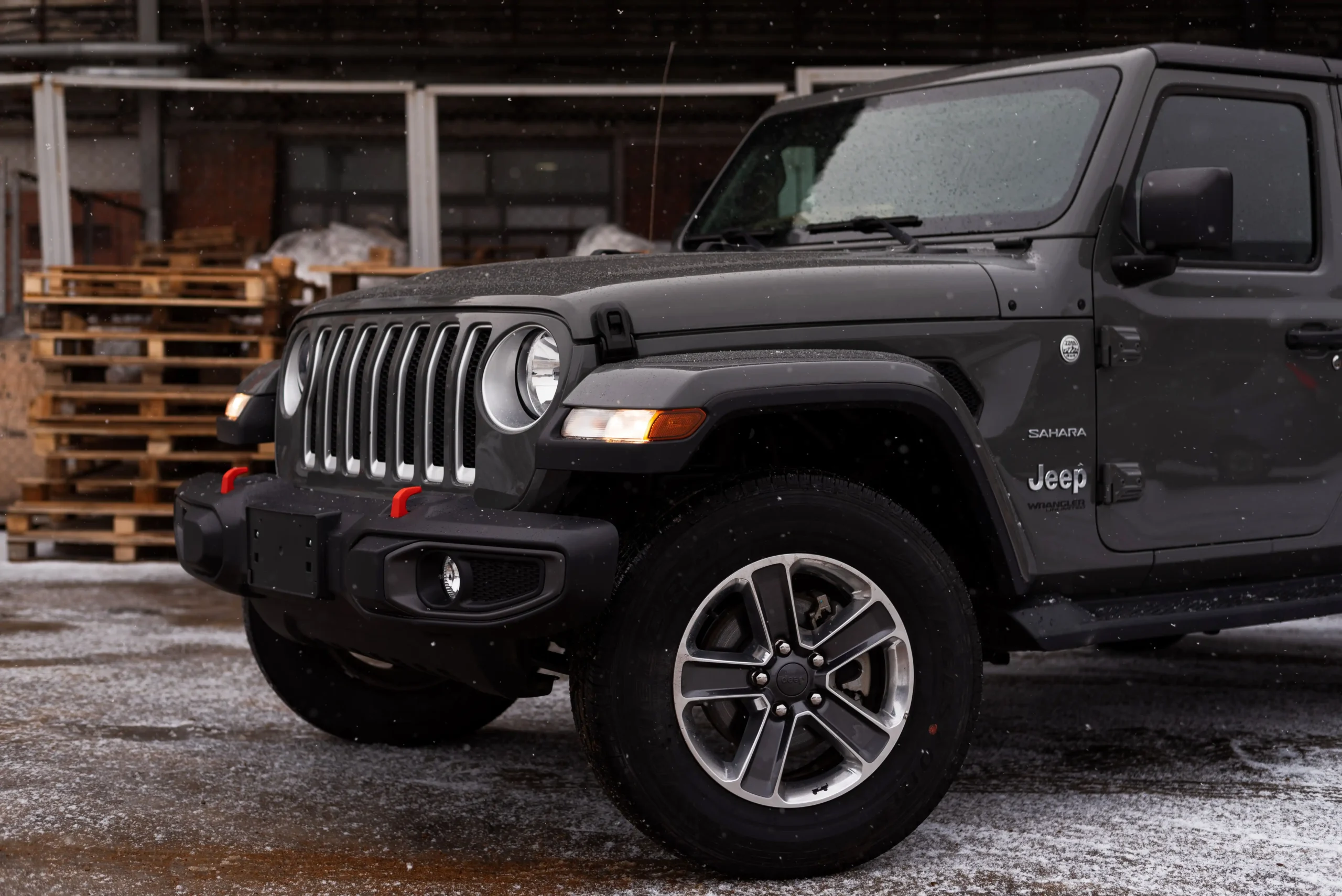
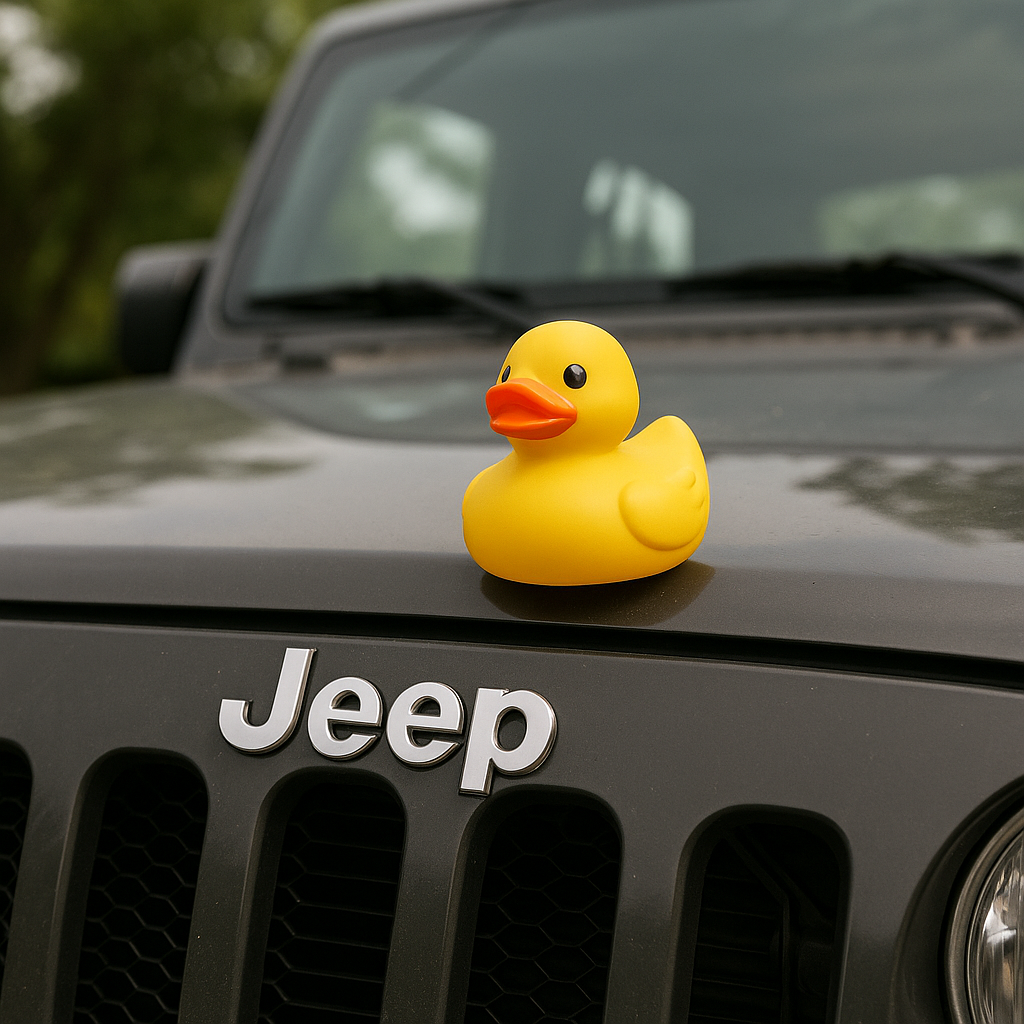
The game’s mechanics are consistent across the community. You duck a Jeep, any Jeep model or the broader off-road family depending on local custom, by placing a duck where the owner will find it: on the door handle, the hood, the mirror or occasionally the dash, visible but never inside the vehicle. Every duck carries a tag with a short note and usually a hashtag or group reference so the recipient can post the find. You duck strangers, not friends, because the delight is in the surprise. And you duck parked, unoccupied vehicles during the day; approaching an occupied car or ducking at night reads badly no matter how friendly the duck. The size conventions are part of the etiquette too, which our duck size guide covers; standard two-to-three-inch ducks dominate because they fit handles and mirrors without blocking vision or feeling like clutter. One more placement note from community groups: ducks on windshields or blocking wipers create genuine annoyance, and the fastest way to get ducking restricted somewhere is exactly that duck.
Tags and Notes: What to Write
The tag is half the gift. A working tag has three elements: a friendly line, the game reference such as a local ducking group or the national hashtag, and optionally a name or business mark. Keep it short, a sentence or two; the note is read in a parking lot with groceries in hand. Businesses participating in ducking follow a stricter version of the rule: branded ducks are welcome when the tag reads as participation in the game and the duck is given with nothing asked in return, and they sour quickly when the note turns into a coupon or a call to visit a lot. The community distinguishes between playing and marketing, and it polices the difference in local groups. Buyers assembling tagged duck kits for dealerships or clubs, which our theme duck content guide helps plan, should design tags that read as community first, branding second. Weather matters too, since events and trailheads in freezing climates crack thin vinyl, one more reason duty-rated material beats whatever is cheapest by the thousand.
Where Etiquette Draws Hard Lines
Some situations are skipped regardless of good intentions. Do not duck vehicles that are damaged or being worked on, since a duck on a wrecked Jeep reads as mockery. Do not duck the same owner repeatedly within a short period, which turns surprise into targeting. Do not leave ducks in places that require reaching across or into a vehicle, and never attach ducks with tape, adhesive or anything that marks the paint; placement only, always. Event ducking follows the host’s lead, since some shows run formal duck exchanges and others ask that ducking stay off the show field. And in a handful of regions, local groups have asked that ducking pause in areas experiencing vehicle break-in waves, a reminder that the game bends to local context. The community’s moderation spaces are the place to check local rules before a campaign, not after a thread goes sideways.
For Businesses and Dealers: Joining Without Overstepping
Dealerships, accessory shops and aftermarket brands increasingly supply ducks for their local ducking communities, and the etiquette for commercial participation is straightforward. Supply, do not spam: put ducks into players’ hands through counter giveaways, event tables and club partnerships rather than ducking every customer’s driveway yourself. Respect the tag culture, community voice on the front, brand on the back in small print. Choose ducks that survive the duty, since dashboard heat and sun punish thin vinyl and faded prints, a materials conversation our Jeep duck wholesale guide covers with UV stability in mind. And treat the hashtag ledger as feedback: photos of your ducks appearing in the wild are the campaign metric, and they arrive only when the community decides your ducks are worth carrying. Toy-safety framing from bodies such as ASTM International still applies to anything that might reach younger passengers. The dealers who last in this space are the ones whose ducks get re-ducked, passed from one Jeep to the next with the tag intact.
FAQ
Where should you place a duck on a Jeep?
Visible exterior spots the owner will find: door handle, hood, mirror or dash edge. Never inside the vehicle, and never attached with tape or adhesive.
What should a ducking tag say?
A short friendly line, the local ducking group or national hashtag, and optionally a name. One or two sentences; the note is read in a parking lot.
Can businesses hand out branded ducks for ducking?
Yes, by supplying ducks to players and clubs with community-first tags. Coupon-style notes and direct marketing ducking sour the community.
When should you not duck a Jeep?
At night, when occupied, on damaged vehicles, and where local groups have asked for pauses. Surprise is the gift; anything that feels like targeting breaks the game.
Video: Why Do Jeeps Have Little Rubber Ducks on the Dashboard?
Stocking ducks for your local ducking community? Our Jeep duck program supplies UV-stable, tag-ready ducks at wholesale tiers sized for clubs and dealerships.
Related reading: Cold Weather Ducking: Winter Jeep Ducks and the Plastic