Skip to content
Blind boxes sealed assortments where one purchase might hold the common duck or the rare one turned a toy format into a global collection economy. Duck programs are natural candidates for the model, since themed mini ducks already come in series, and importers who understand the mechanics can build collectible lines without gambling their inventory. This guide translates the blind-box playbook for duck buyers.
How the Blind-Box Model Works
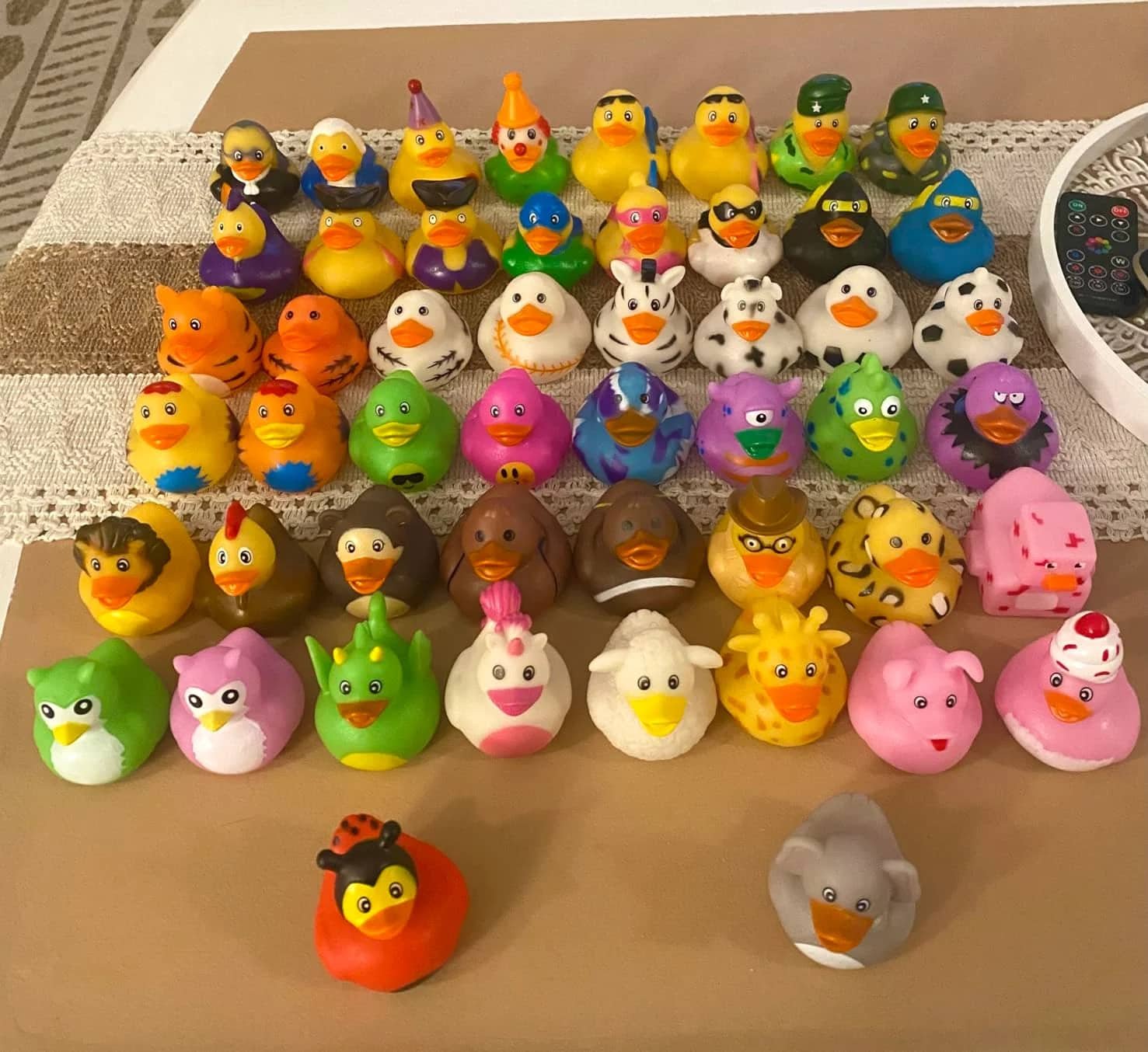
The format is simple: a series of designs, sold in identical sealed boxes, with a published ratio of common, uncommon and hidden figures. Buyers know the odds before purchase, which is the honest version of the model, and the hidden figure carries the chase energy that powers repeat purchases. Economics follow: a series of eight to twelve designs produces collection pressure, rarity ratios let the producer price the average box against the mix rather than the common piece, and aftermarket trading extends the product’s cultural life far beyond the shelf. The model’s credibility rests entirely on published, honest ratios, and consumer protection agencies, whose business guidance the FTC maintains for marketing claims, treat undisclosed odds and manipulative mechanics as the failure line. For toy importers the attraction is real: blind-box duck series turn a one-time gift purchase into a collecting habit, and collections are how mini duck lines escape the commodity pricing of single-SKU promotions. The format started in capsule culture and grew through designer toy brands, but the mechanics are now channel-neutral and documented well enough for any importer to adopt.
Adapting the Model to Duck Programs
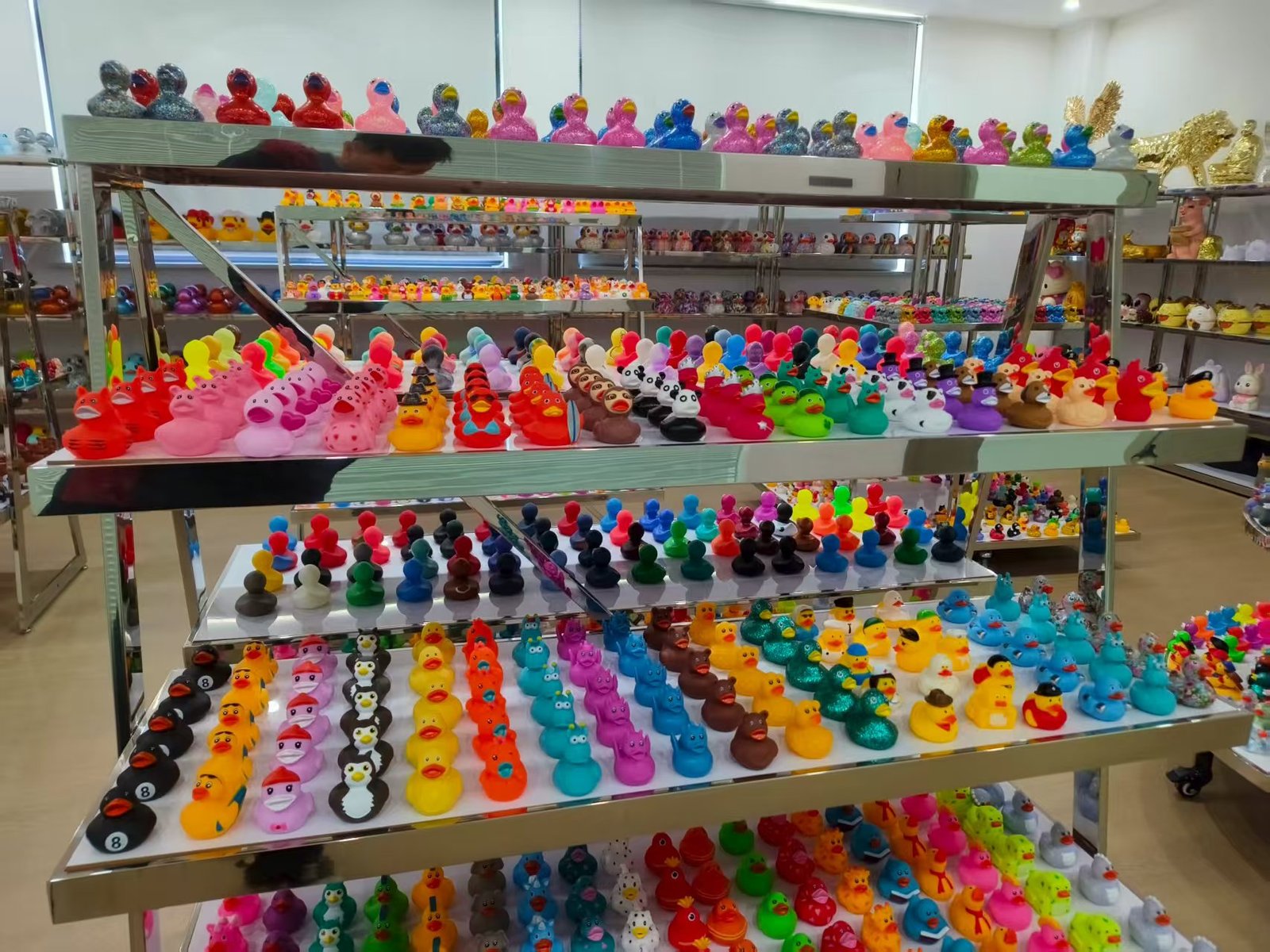
Ducks bring advantages to the format: cheap tooling variants, a theme system that generates series naturally, and display value at retail. A workable duck series starts from six to twelve designs on one or two body molds, with paint and accessory variants carrying the differences, which keeps tooling cost near a standard custom run. Rarity is engineered through paint complexity and accessory counts, not through a separate hidden mold, until the series proves demand. Sealing matters more than buyers expect: identical boxes, uniform weight, and tamper-evident wrapping, because a blind series with feelable differences dies at retail. And the retail story needs the size range conversation from our higher-value duck products guide, since blind-box units are typically mini formats that pair with larger hero pieces displayed beside the case. Case packs need retailer economics too: a sealed case of identical boxes prices the series for shelf display, and case-level barcodes keep the back room sane. Our duck trends overview tracks how collectible formats are moving in the toy channel.
The Compliance and Marketing Lines
Two regulatory conversations surround blind-box toys, and both are manageable. Marketing honesty: publish the ratio on the box and listing, avoid language implying guaranteed pulls, and treat hidden-figure odds as disclosed facts rather than teaser claims; guidance frameworks for children’s advertising treat manipulative mechanics seriously. Product safety: blind-box ducks reach children by design, so the same toy standards apply as any small-part product, with small-parts warnings and age grading printed where required, and nothing about the sealed format exempts the contents. Importers should also watch the resale conversation, because chase-figure scalping generates the consumer complaints that eventually draft rules; brands that publish purchase limits and keep series re-runs honest build the goodwill that outlasts a trend. None of this complicates production; it disciplines the marketing plan around it.
Piloting a Series Without Gambling Inventory
The pilot structure keeps the upside while capping exposure. Produce the series at standard custom MOQ as a sealed-assortment case pack, place it in a limited retail or online-first test, and hold the option to re-run winners as open stock, since every design in a duck series is sellable individually if the blind format underperforms. Measure three signals: sell-through by design, which designs earn re-runs; social unboxing activity, the format’s free marketing engine; and return or complaint rates on seal integrity, the format’s main failure mode. Factories geared for themed duck production, with rapid mockups and seven-day sampling, make series iteration cheap; the twelve-hour mockup cycle that custom duck buyers already use is exactly what a series refresh needs between waves. The brands that sustain blind-box lines treat each series as a season with a finale, which gives collectors a narrative reason to finish the set. Blind-box ducks are not a different product, they are the same ducks wearing a better retail story, and the story is buildable one honest series at a time.
FAQ
What is a blind box in toy retail?
A sealed box from a published series where the design inside follows disclosed rarity ratios, including a possible hidden figure, driving collection and repeat purchase.
Can rubber ducks work as blind-box items?
Yes. Series of six to twelve themed mini ducks on shared body molds replicate the format at custom-run MOQ, with rarity carried by paint and accessories.
What must be disclosed on blind-box packaging?
The odds or ratio of each rarity level, accurate age grading and small-parts warnings, and no language implying guaranteed rare pulls.
How do I test a duck series without overcommitting?
Produce at standard custom MOQ in sealed case packs, test in limited retail or online-first, and re-run winning designs as open stock.
Video: Blind Boxes Explained: Inside the Collectible World
Building a collectible duck series? Our size and series program quotes themed mini runs with sealed-assortment case packs and honest ratio documentation.