Skip to content
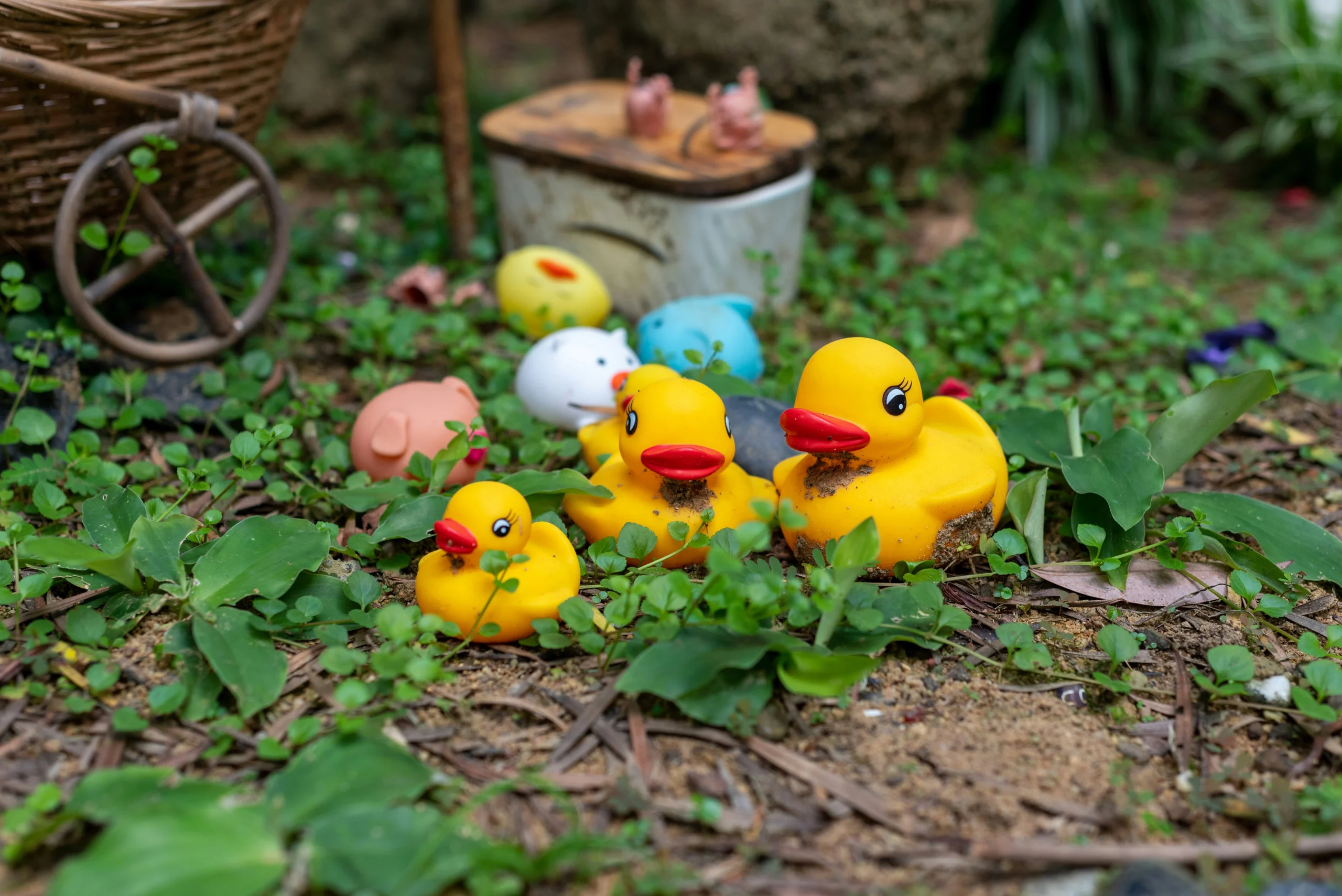
Recognition programmes fail for a predictable reason: they are annual, so they are memorable once and forgotten eleven months later. A monthly duck programme works the opposite way. It is small, cheap, repetitive and physical, and the object sits on a desk where other people see it.
The design work is mostly in the cadence and the themes rather than in the duck. A programme that issues the same duck every month becomes invisible; one that changes the theme every month but keeps the format identical becomes collectable. That is the difference between a gift and a programme.
Cadence, Themes and Collectability
A monthly cadence gives twelve opportunities to recognise someone, which is enough to feel frequent and few enough to plan. Most programmes settle on one duck per month with a seasonal or value-based theme: a colour for a value, a costume for a season, a small accessory for a milestone.
Themes should be decided for the year in advance. That lets the artwork be approved in one pass, keeps the moulds or paint decoration within a manageable set, and avoids the scramble that happens when a theme is invented in the last week of the month.
Collectability is what makes people keep the ducks. A common trick is a small consistent mark, a year stamp or a series number on each design, so a row of ducks on a desk reads as a set. The mark costs nothing at moulding stage and is the difference between desk clutter and a collection.

Quantity Planning and Budget Shape
A monthly programme needs two quantities: the number of monthly awards and a buffer. The award number should come from the recognition process, not from headcount, because a programme that assumes everyone will be recognised finds itself short in the first quarter.
Budget shape matters more than unit price. Splitting the year into a small number of larger orders usually beats twelve small orders, because tooling and decoration setup are amortised once, and shipping is consolidated. Where the monthly designs share a body mould and differ only in decoration, the saving is substantial.
Where the programme is administered by a single coordinator rather than a purchasing team, the simplest structure is a yearly order with staged delivery. It removes the monthly purchase decision while keeping the monthly surprise, and it lets the coordinator plan the desk drops without a supply question each time.
Desk Drops: Logistics That Make the Programme Visible
The distribution moment is the programme. A duck handed over in a meeting is a gesture; a duck that appears on a desk overnight with a short card is a story that gets told. Many programmes use a drop rather than a presentation specifically because it is the version people photograph.
Logistics are simple if the ducks are stored in one place with a small kit per month: ducks, cards, and a short list of recipients. Where the organisation has several sites, staging the delivery per site rather than shipping monthly from a central store avoids the pattern where one office is always last.
Cards follow the same logic as tags in a consumer campaign. They should be short, name the reason for the recognition and carry the year or series mark that ties the set together. A card that is too long is thrown away; a card that is too plain does not explain the object to the person who finds it on a desk.
The wider kit programmes used for onboarding and year-end gifting show how the same duck moves between contexts, and the composition of those kits is set out in our notes on welcome kits with custom ducks and on corporate year-end gift kits.
The Rules That Still Apply to Staff Gifts
An object given to employees is still an object placed on the market if the organisation sells or distributes it publicly, and even for internal use the practical rule is to buy products that meet the safety requirements expected of the same product at retail. For anything a child could pick up, that means the toy safety requirements of the destination market.
The US framework for hazardous substances and articles, including toys and children’s articles, is collected in 16 CFR Part 1500 on hazardous substances and articles, and the practical step for a buyer is to ask the factory for the test documentation that supports the age grade the product is intended for. Marketing a desk duck as suitable for children without that documentation creates a problem that the internal nature of the programme does not solve.
Two further details are worth writing down. Age grading on the card, if any, should match the product documentation, and any recycling or material claim on the packaging should reflect what the duck is actually made from. Both are small points that become issues only when someone asks, and by then the answer should already exist in the file. Our https://lzengo.com/custom-rubber-ducks/ programme produces exactly that file for each design, so the recognition coordinator can order the next month without reopening the safety question.
Measuring Whether the Programme Is Working
Recognition programmes are usually evaluated on sentiment, which is difficult to compare month to month. Three simpler indicators do the job: whether the monthly drop happens on schedule, whether the number of nominations grows or shrinks, and whether the ducks stay visible on desks rather than disappearing into drawers.
The second indicator is the one that matters most. If nominations rise, the programme is creating recognition rather than distributing objects; if they fall, the duck has become a formality and the theme or the cadence needs to change.
Keeping the ducks visible is the cheapest evaluation of all, and it is the reason the object was chosen in the first place. A kit that gets photographed and posted internally is doing more for the programme than any survey, and it costs nothing extra to encourage.
FAQ
How many ducks does a monthly recognition programme need?
Base the award figure on the number of recognitions the process produces rather than headcount, and add a buffer for new starters and for months with more nominations.
Should the duck change every month?
The theme should, while the format stays consistent. A changing theme keeps interest and a consistent format makes the set collectable.
What makes people keep the ducks?
A small consistent mark, such as a year stamp or series number, so a row of ducks on a desk reads as a collection rather than as clutter.
Do staff gifts need toy safety documentation?
In practice yes. The product should meet the requirements expected of the same item at retail, so the factory should provide the documentation that supports the intended age grade.
How should a programme be evaluated?
On whether the drop happens on schedule, whether nominations grow, and whether the ducks stay visible rather than being put away.
Video: The Coffee Shop Loyalty System That Turns First-Time Visitors Into Regulars (Boomerang) | Andy Audate
If a recognition programme is being set up for a calendar year, send the cadence and the headcount. Our custom rubber duck range can share body moulds across monthly designs so the twelve drops are amortised against one setup, with the safety documentation issued alongside the first order.