Skip to content
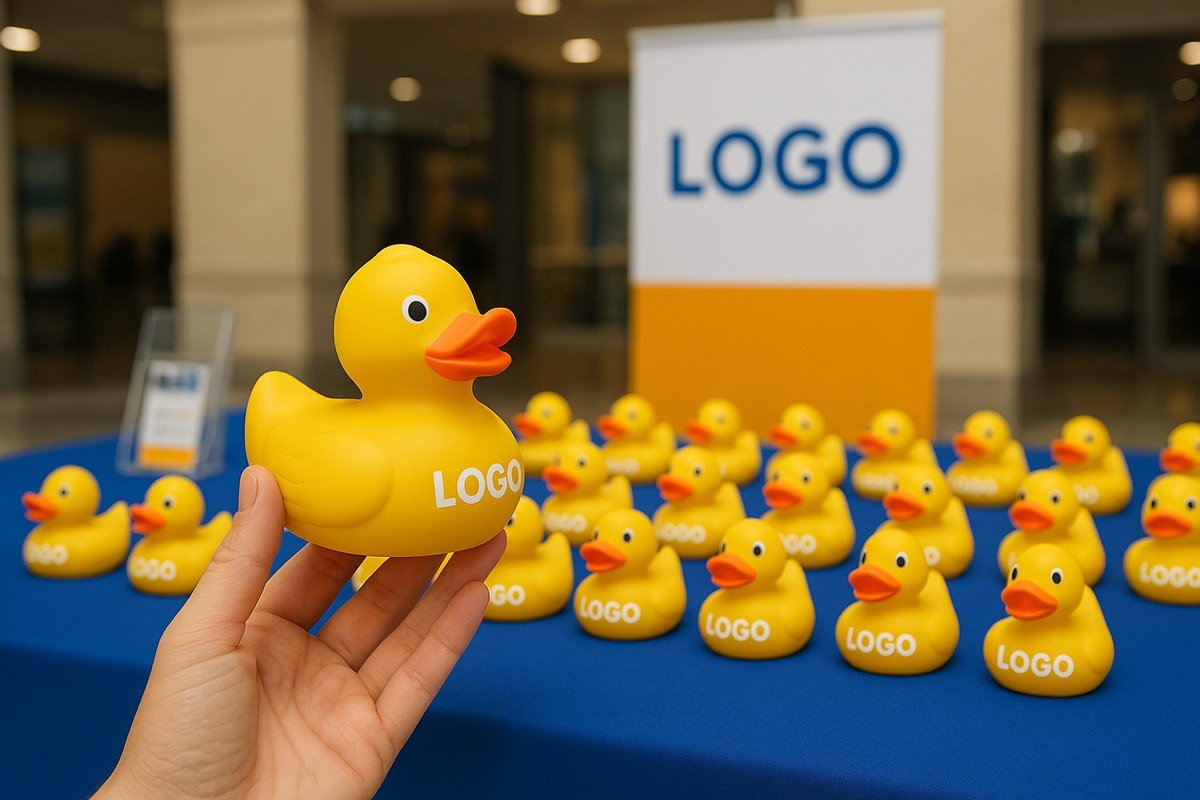
Every article you read about custom rubber ducks colors tells you the same thing: send your Pantone number and trust the pre-production sample. That advice burned a buyer I worked with on a $50,000 order. The sample looked perfect, but the mass production run came out a muddy version of their brand blue. The problem wasn’t the sample itself—it was the base material. The sample was made on a yellow-bodied duck, and the printed ink mixed with that yellow to shift the final hue. Most suppliers won’t volunteer this, but if you’re after a precise pastel or a spot-on corporate blue, always specify a white-bodied duck or a white base coat. It adds minimal cost—often under $0.03 per unit at 5,000 units—but the visual difference is night and day. Get that detail into your sample approval checklist before you lock in FOB pricing.
The deeper issue is pigment stability. Cheap organic reds and blues can bleed when containers hit 60°C during ocean transit—a real risk that most Alibaba suppliers simply ignore. At our facility, we run a 48-hour aging test at 60°C to simulate exactly those conditions. We also check color consistency with a spectrophotometer every two hours during production. That’s how we hold a ΔE of under 1.5 on opaque white PVC, which is the benchmark you should write down and reference on your next supplier call. If a factory can’t show you a routine heat-aging report or a spectrophotometer log, your quality tolerance is already out of spec before the first unit is molded.
Color Matching: Why Plastic Ducks Aren’t Paper
Your brand blue on a yellow PVC body?
If you’ve ever designed a brochure or a sticker, you’re used to CMYK or RGB color spaces: pick a number, get that color. Plastic doesn’t work that way. PVC and vinyl are not paper. When you tell a factory “use Pantone 293 C,” the pigment mix must account for the base material’s translucency, the duck’s body color, and the fact that light passes through a hollow vinyl shell differently than it reflects off a coated paper sheet. No CMYK conversion calculator can predict what the duck will actually look like.
The color you see in a liquid pigment concentrate is not the color you get after it’s been cooked into soft PVC at 180°C. The heat shifts the hue slightly, and the dispersion of pigment particles in the molten vinyl affects saturation. That’s why factories don’t just dump a Pantone code into a machine. They prepare a lab dip — a small molded color chip — and check it under a standardized light source (D65, TL84, or A) inside a color-matching cabinet. The industry measure of match quality is ΔE (Delta E). On an opaque white duck body, a ΔE of under 1.5 is considered an excellent match, meaning the difference is barely perceptible to the human eye.
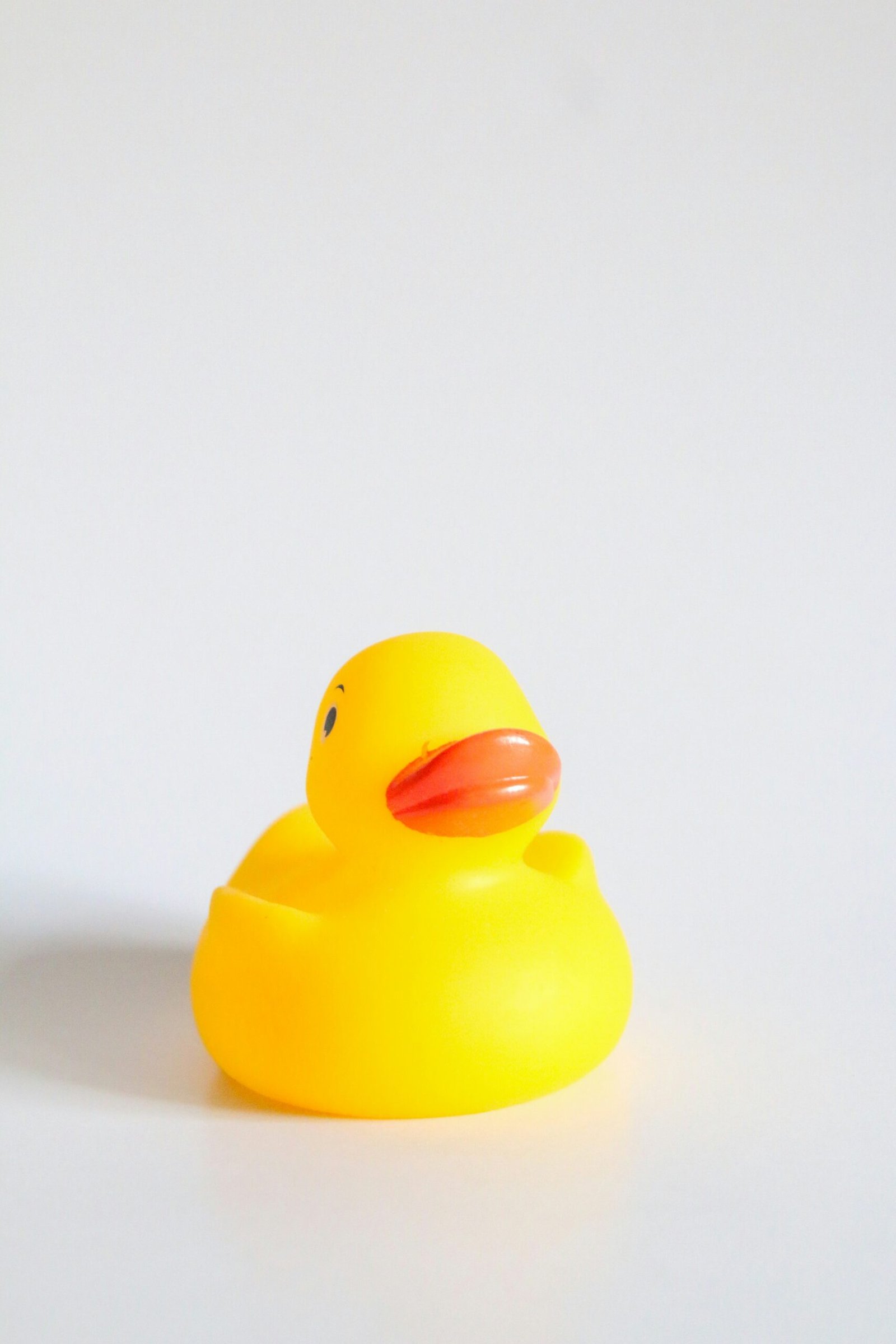
- Base material effect: Translucent PVC will shift any pigment toward the material’s own tint. A standard yellow duck body is the worst case: if you print a pastel blue logo onto a yellow duck, the base yellow mixes optically with the ink, turning your blue greenish. Smart buyers request a white-bodied duck or a white base coat for any light or pastel imprint. That extra step adds roughly $0.02–0.04 per unit at 5,000 units — negligible for brand protection.
- Pigment stability: Cheap organic red and blue pigments are notorious for migrating — bleeding into adjacent areas — when the ducks sit in a hot shipping container (60°C for 48 hours is standard aging test). Premium inorganic pigments cost about 8% more in material but resist migration and UV fading three times longer. Lzengo runs a 60°C/48-hour aging simulation on every custom color batch; most Alibaba suppliers skip this step entirely.
During production, spectrophotometer checks are taken every two hours to ensure the batch stays within the approved ΔE range. If you want to avoid a 15% return rate due to color mismatch (industry average according to PPAI surveys), insist on seeing the lab dip certificate and the in-line measurement log for your production run. The difference between a duck that looks “off” and one that matches your brand guidelines is not luck — it’s a repeatable process backed by instruments, not eyes.
Pantone vs. Supplier Swatch: Where Budgets Blow Up
The color you see on a screen is not the color you get in vinyl.
If you hand a supplier a Pantone chip and expect the duck to match on the first shot, you are setting yourself up for a $500–$2,000 surprise. Here is how the options break down and where the real costs hide.
- Standard stock colors: Zero additional cost. You pick from a pre-mixed palette (typically 10–20 colors). The duck body and any imprint use the factory’s existing PVC compound. Good for generic giveaways, bad for brand-loyal work.
- Supplier-provided swatch matching: Your supplier pulls a swatch book and says ‘this one is close.’ Low fee ($30–$100) but no guarantee it matches your Pantone under daylight. The swatch is usually a painted chip, not the actual molded PVC – so the final hue shifts once the vinyl fills the mold.
- Exact Pantone target matching (lab dip): Factory mixes a custom pigment batch, molds a sample duck, and reads it under a spectrophotometer. Typical ΔE < 1.5 on opaque white PVC. Expect a mold fee increase of 20–30% (per color added) and a per-unit surcharge of $0.05–$0.15 at 2,000 units. Sample turnaround 5–7 business days with digital swatch approval.
The number of colors on a duck multiplies the problem. Each separate molded color needs its own injection point or a secondary operation (pad printing, spray paint, or insert molding). A two-tone duck with a white head and yellow body requires a more complex mold – tooling cost jumps 25–40% compared to a single-color cavity. A three-color brand logo on the belly means three separate pad printing steps, each adding $0.03–$0.08 per duck at 5,000 units.
Here is the trick many suppliers won’t tell you: if you need a pastel or a light brand blue, the base yellow of the standard duck will contaminate your color. Smart buyers request a white-bodied duck or a white base coat. That single change costs pennies per unit but prevents the ‘muddy’ look that kills brand recognition.
And that ‘cheap’ organic red pigment? It bleeds when containers hit 60°C inside a shipping container. Lzengo runs a 48-hour, 60°C aging test on every custom color batch – a QC step that most Alibaba suppliers skip. If your supplier does not do heat-migration testing, you are gambling that your brand colour arrives intact.
Some factories can hit 95% Pantone match without a full lab dip by using pre-validated pigment recipes and a white base. That saves 5–10 days and roughly $200–$400 in sampling. Ask your supplier if they have a library of pre-matched custom colours – if they do, your first sample will be closer, and your budget stays intact.

Matching vs. Molding: Two Ways to Apply Brand Color
Ink sits on top and wears.
When you’re applying brand color to a rubber duck, you have two fundamentally different options. Ink imprint — pad printing or screen printing — lays a thin layer of pigment on the surface. It’s sharp enough for fine logos and gradients, but it sits on top of the PVC. Over time, friction, hand oils, and cleaning can wear that ink off, especially on high-touch areas like the belly or beak. Molded color, on the other hand, mixes the pigment directly into the vinyl compound before it’s injected into the mold. The color becomes part of the duck’s body. It won’t scratch off, peel, or fade from normal handling. But the trade-off: you’re limited to solid, uniform colors across the whole duck or separate molded parts. You can’t paint a multi-color gradient onto a single molded body without going back to ink.
- Spot color logo (single Pantone): Both methods work. Ink is cheaper ($0.03–0.05/unit at 5k). Molded adds tooling cost but gives permanent color.
- Gradient or photographic logo: Ink imprint only. Molded color cannot produce smooth tonal transitions. Budget for potential wear testing.
- Full-body brand color duck: Molded is standard for a single consistent hue. Ink over entire surface would feel tacky and add cost.
- Multi-colored parts (e.g., orange beak, yellow body): Rotary or insert molding lets you combine two different vinyl colors. Mold cost jumps 30–40% but eliminates paint chipping.
Here’s the insider detail most suppliers won’t tell you: if you’re printing a pastel or light brand color onto a standard yellow duck body, the yellow base will bleed through and shift your final hue by 10–15% on the Lab scale. Smart buyers ask for a white-bodied duck or a white base coat underneath the ink. This adds roughly $0.02 per unit at 5,000 pieces but can be the difference between a spot-on Pantone match and a muddy miss. Always request a pre-production sample on the actual base material — not a separate swatch card.
Another hidden risk: cheap organic reds and blues in printed ink can migrate or bleed when the ducks are packed tight in a shipping container. I’ve seen container temperatures hit 60°C for days during ocean freight, causing the ink to soften and transfer onto neighboring ducks. At our facility, we run a 48-hour aging test at 60°C specifically to simulate these conditions — a QC step most Alibaba suppliers skip entirely. If your supplier can’t provide a heat-migration test report, you’re gambling your brand consistency.
For a deeper breakdown of each printing technique — including pad printing, screen printing, and heat transfer — see our sister article on custom logo rubber duck printing methods.
How to Get Consistent Color Across 10,000 Ducks
Consistent color at scale requires a closed-loop QC system, not a prayer.
The real test isn’t whether sample duck #1 matches your Pantone chip. It’s whether duck #4,721 looks the same as duck #1 when the box lands at your event. Without a disciplined color management system across the production run, you get drift — and that drift shows up as a muddied logo or a hue that clashes with your brand guidelines.
- Pre-production sample with color chip: Before any bulk molding, the factory mixes a pigment batch, injects a sample duck, and measures it against your physical color standard (Pantone swatch or printed chip). This first pass typically hits 80-90% match. Revisions are common — expect 5-7 business days per round.
- Lab dip approval: A lab dip is a small molded patch — not a full duck — that shows the exact color on the specified PVC compound. You approve it digitally or physically. This locks the pigment formula so the production team cannot substitute cheaper colorants later.
- In-line spectrophotometer monitoring: During production, a spectrophotometer checks every two hours that the ΔE value stays under 1.5. ΔE measures the difference between the target color and the production piece. A ΔE < 1.5 is invisible to the naked eye. If it spikes, the line stops and the pigment ratio is adjusted.
- Batch-to-batch retention swatches: From every 500-unit batch, the QC team keeps a labeled swatch in a dark, climate-controlled cabinet. If a buyer later complains about color, these swatches provide traceability. They also allow side-by-side comparison for reorders months later.
Many suppliers stop at the first sample and hope the rest matches. That gamble fails when cheap organic red or blue pigments bleed under container heat. We simulate that scenario — 60°C for 48 hours in an aging chamber — before bulk production. If a batch shows migration, we switch to heat-stable inorganic pigments. Those cost 8% more but deliver zero migration and three times longer UV resistance. For a brand campaign, that difference is non-negotiable.
Here’s a manufacturing trick most vendors don’t mention: the base color of the duck body shifts the final hue of any printed ink. If you’re printing a pastel logo on a yellow duck, the yellow base will muddy the pastel. Smart buyers either specify a white-bodied duck or request a white base coat. That adds minimal cost — about $0.02 per unit at 5,000 units — but eliminates the risk of your brand color looking like a faded wall paint.
At Lzengo, a dedicated account manager walks you through each color approval milestone: initial pigment proposal, lab dip sign-off, first article approval, and final shipment inspection with a copy of the spectrophotometer log. You don’t need to hope the factory did it right — you see the data. That’s how you keep color consistent across 10,000 ducks, shipment after shipment.
Conclusion
The last 10% that separates professionals from amateurs? It’s not the Pantone code or the pigment cost — it’s knowing that the base color of your duck will shift every ink you lay on top. Smart buyers specify a white-bodied duck for pastels, and they demand QC data from heat-aging tests before signing off on FOB pricing. That’s how you avoid the $50,000 pallet of off-brand yellow that arrives three weeks before the campaign.
Before you commit to a production run, request a pre-production sample with a color match report and thermal stability results. Compare your supplier’s process against the benchmarks in this guide. If you’re ready to move forward, browse the custom duck catalog to see how Lzengo handles color matching from sample approval through final shipment.
Frequently Asked Questions
How exact can the color match my brand Pantone?
Expect 80-90% match on the first sample; with a lab dip adjustment, 95%+ accuracy can be achieved. The final match depends on the duck’s base PVC color and pigment migration limits. Always request a lab dip before bulk production.
Will the color on the duck fade over time?
It depends on pigment quality: cheap organic dyes may fade within six months, but we use heat-stable inorganic pigments tested for UV and migration resistance. Ask your supplier for the pigment type and test reports. Verify pigment type with your supplier.
Can I get a two-tone duck body without painting?
Yes, by using multi-shot injection molding where two different colored PVCs are fused in the mold—no paint needed. This requires split molds and increases tooling cost and lead time. Confirm with your supplier if your design supports multi-color molding.
Do you provide color-matching samples before bulk production?
Yes, we offer a pre-production sample within 7 days using the exact PVC mix for your color. This sample is made to approve the match before we proceed to full. Send your Pantone number or physical swatch to start the sample process.
How does color choice affect MOQ or lead time?
Custom Pantone colors do not change MOQ (still 1,000 units) but add $0.03-0.08 per unit at 5,000 pieces; multi-color bodies increase mold fees by 20-30% and add 1-2 weeks to lead time. Standard stock colors. Use stock colors if speed is critical.
Buyers planning a color-led duck program can follow the palette families and Pantone workflow in our guide to promo duck color trends and palette guide.