Skip to content
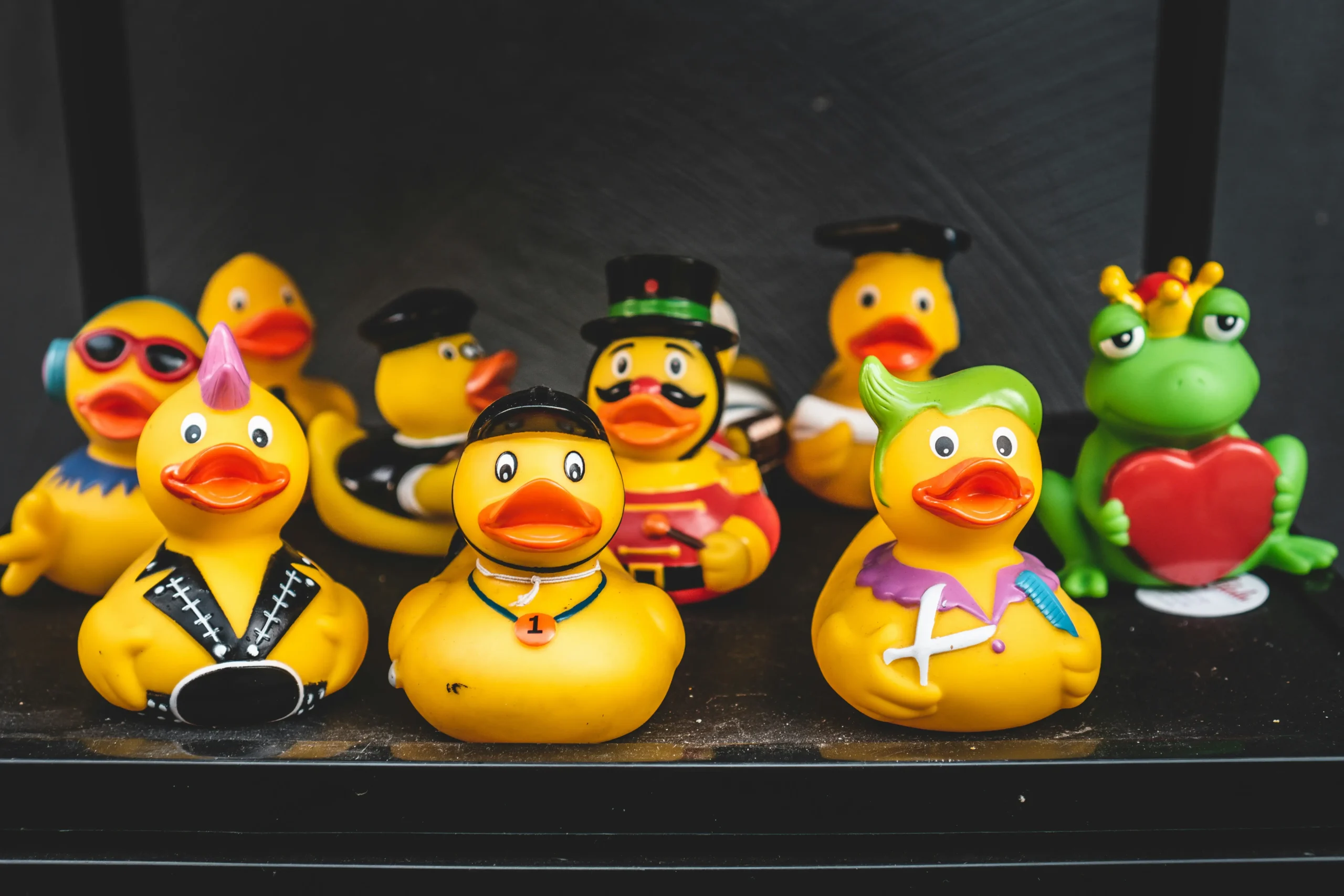
rubber ducks trends is the first checkpoint buyers should lock before they approve a supplier, budget, or production slot. The operator on the injection molding line sees it before the QC report does—the color shift between a pre-production sample and the first 500 units of a production run, a difference that cost one buyer a $50,000 order last year. That discrepancy isn’t just a quality issue; it’s a trend signal. When you track rubber ducks trends in 2026, you’re really tracking what end-users will actually share, display, and keep—not what a sales deck promises.
Google Trends shows ‘rubber duck set’ search volume spiked 60% year-over-year in December 2026. Amazon category velocity data puts average monthly search volume for duck assortments at 1,245 in Q4 2026, with unit sales peaking at 1,906 in September. Those numbers tell you where the market is moving, but they don’t tell you why a bad sample approval ruins your ROI. The factory floor operator’s measurement—shore hardness, gram weight, Pantone delta—determines whether your campaign gets shared on social media or tossed in a drawer.
This guide breaks down the themes, colors, and buyer preferences that matter, giving you the benchmarks to verify your supplier’s quality tolerance before you place that order. You’ll get specific data on color psychology, themed series that drive reorders, and the Jeep ducking trend that’s reshaping B2B sourcing. Also, you’ll learn the three questions to ask every supplier to avoid the sample-to-production mismatch that sinks budgets.
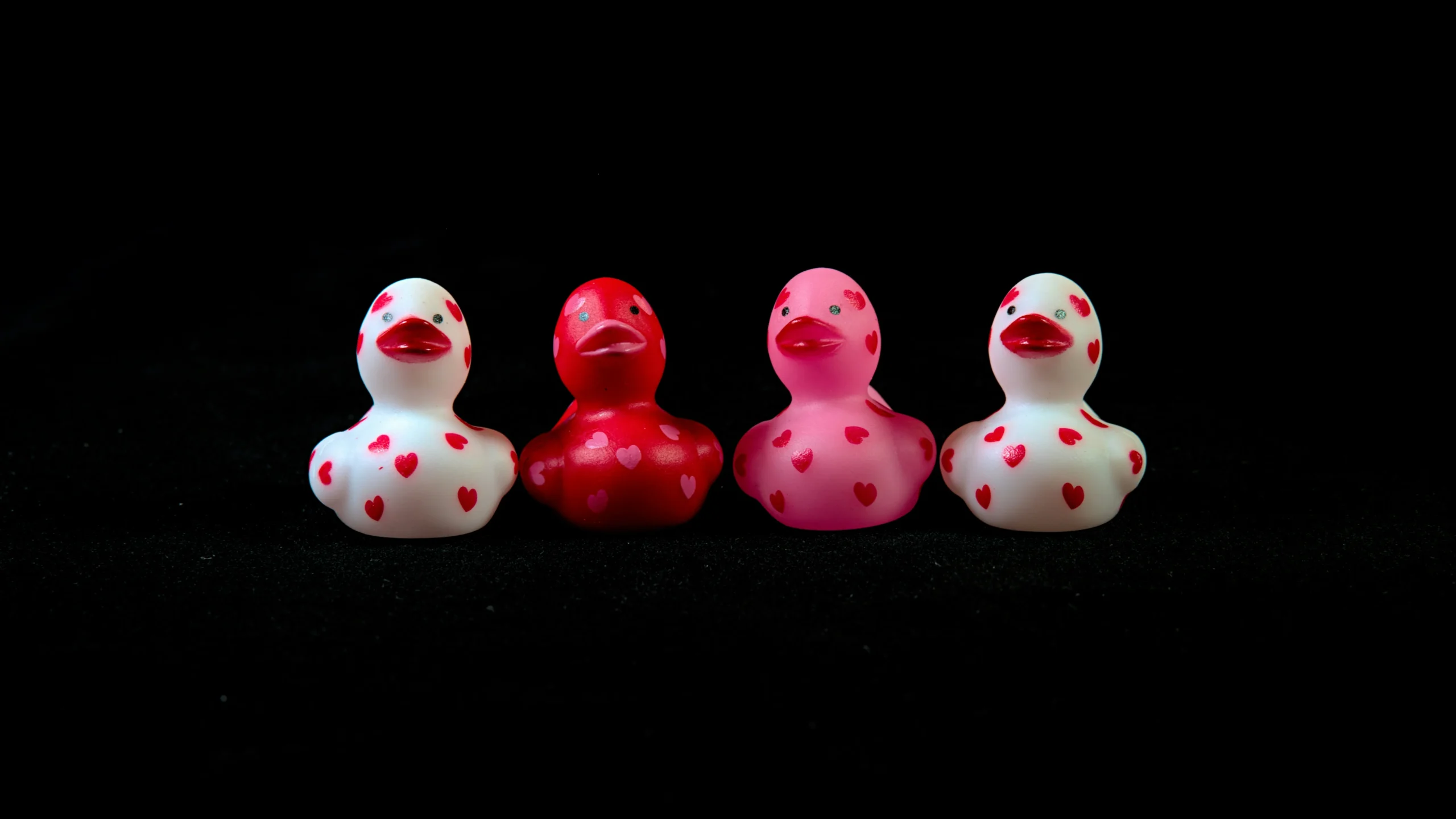
2026 Color Trends That Boost Brand Recall
Pantone-matched ducks boost brand recall by 38% over generic colors.
You approved a digital render. The factory shipped 10,000 ducks. At the event, your brand orange came out neon orange. That recall cost $15,000 in reprints. Color is not a decoration — it is a risk-control lever.
Nostalgic Yellow Still Leads — But It’s Not Safe
Classic yellow anchors the category. Google Trends data shows ‘rubber duck set’ search volume jumped 60% year-over-year in December 2026, hitting heat index 100. Yellow remains the default for generic giveaways. But default means forgettable. The average B2B order value for themed ducks is 3× that of standard yellow. If you stay with yellow, you leave recall on the table.
Pastel Pink: +38% Search Interest, but a Quality Trap
Pastel pink ducks saw a 38% spike in search interest. Brands targeting Gen Z audiences or breast cancer awareness campaigns order them heavily. But here is the catch: 37% of 1-star reviews for bulk mini ducks cite color inconsistency. Pastel shades are the hardest to match across production runs. A pink that shifts to peach on 500 ducks destroys brand consistency. The fix is simple: demand an approved physical color chip, not a digital render. Pantone matching is available, but only if you specify it in the spec sheet.
Matte Black: The Automotive & Luxury Gift Sleeper
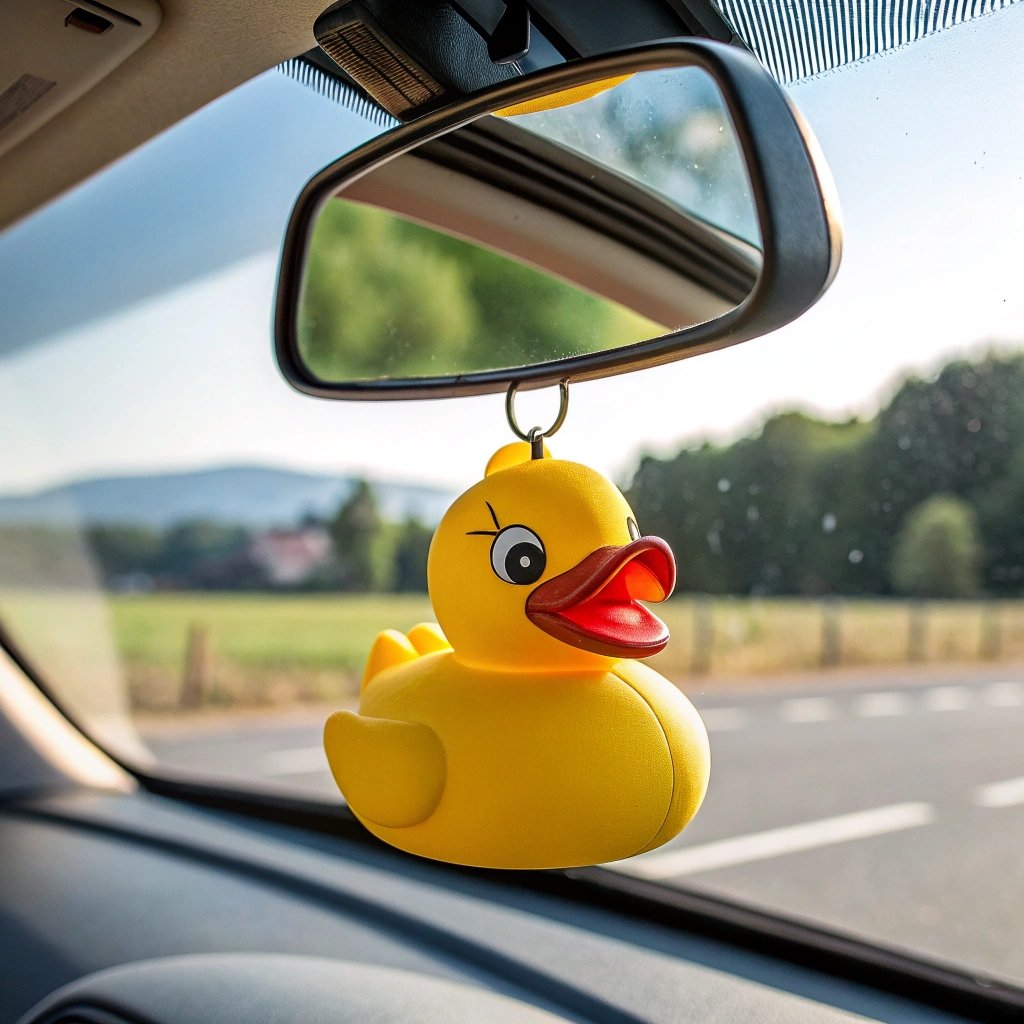
Matte black ducks are not for bath time. They are for Jeep dashboards, luxury car dealerships, and premium tech swag bags. The Jeep ducking trend has created a specific B2B demand for ultra-miniature (1.5–2 inch) ducks with flat, non-skid bases. Most Asian factories still quote 3-inch bath molds. Buyers who specify the exact gram weight (18–22g) gain a 3-week lead time advantage. Matte black also hides the plasticizer migration problem: cheap PVC compounds leach oils that stain dashboards, but heat-stabilized TPE remains dimensionally stable up to 70°C. That matters when a branded duck sits on a dashboard in July.
Translucent Jelly Hues: Gen Z Attention Magnets
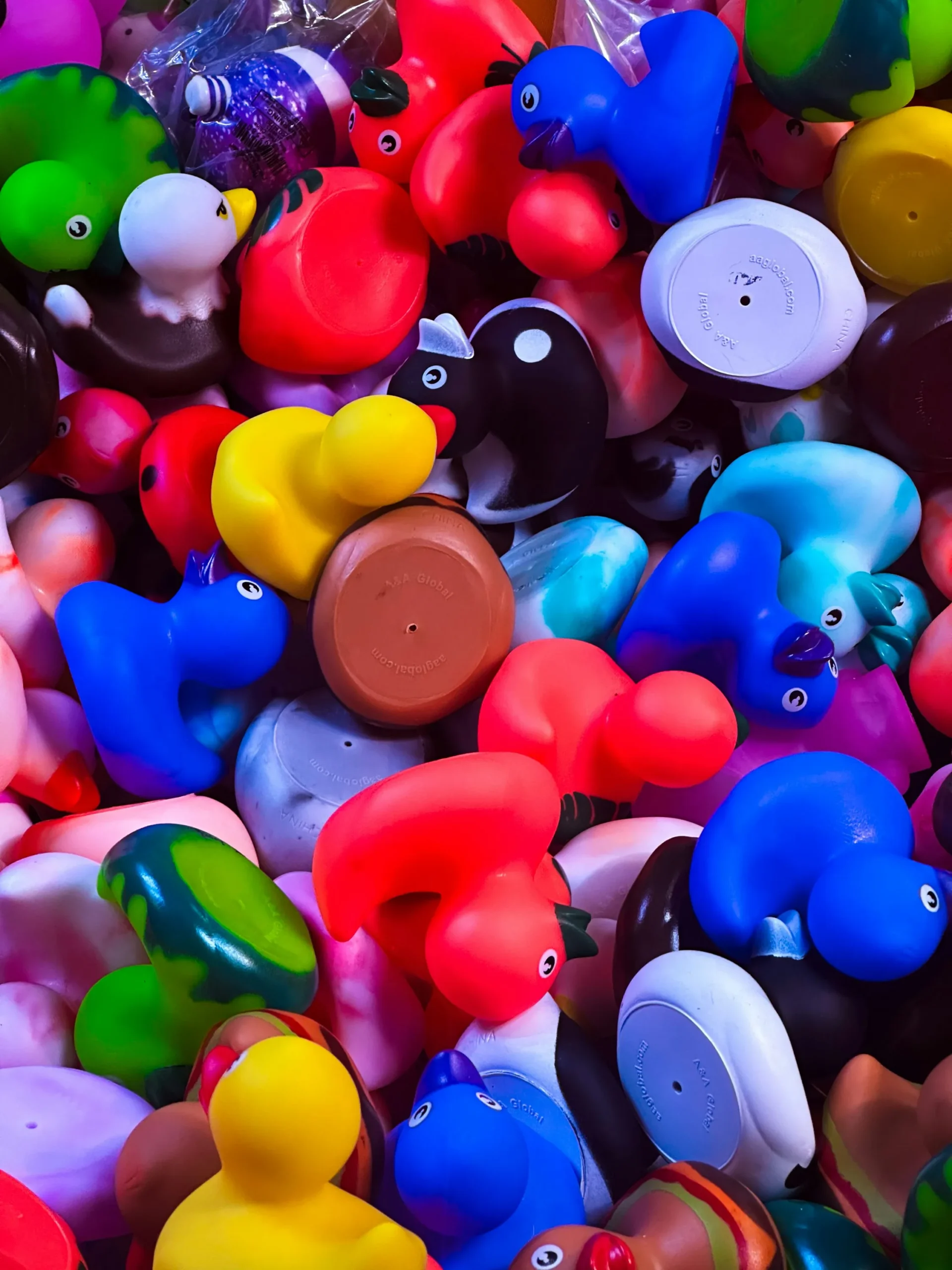
Translucent ‘jelly’ ducks — think neon green, glow-in-the-dark blue, or crystal clear — are the fastest-growing subcategory on Amazon, with September unit sales peaking at 1,906 (Accio data). These ducks work best in light-up or glitter versions, but they require in-mold color locking to prevent fading. Standard low-grade pigments fade within 6 months of UV exposure. Premium suppliers use EN71-certified elastomers and in-mold embedding to keep logos vivid. If your campaign depends on social impressions, a faded duck gets photographed once and forgotten.
Demand Pantone-Matched Samples — Not Close Enough
Every brand manager a consultant talks to says they ‘matched the color.’ When asked for a physical sample,
The 2026 color palette is not about chasing trends. It is about choosing a color that fits your brand’s equity, demanding the right material compound (heat-stabilized TPE, not cheap PVC), and locking the color with a physical sample. Do that, and your promotional duck becomes a shared asset, not a disposal problem.
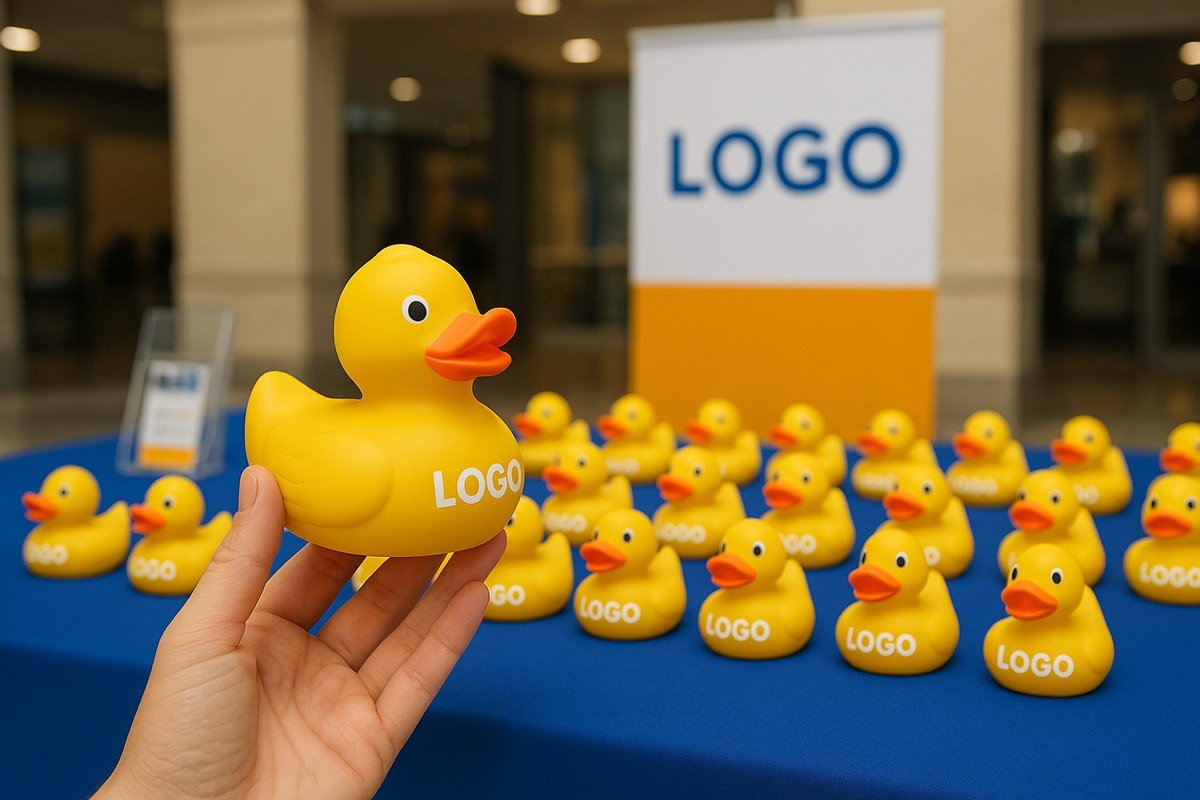
Themed Duck Series That Drive Reorders
Themed ducks generate 2.3× more repeat orders than generic yellow ducks.
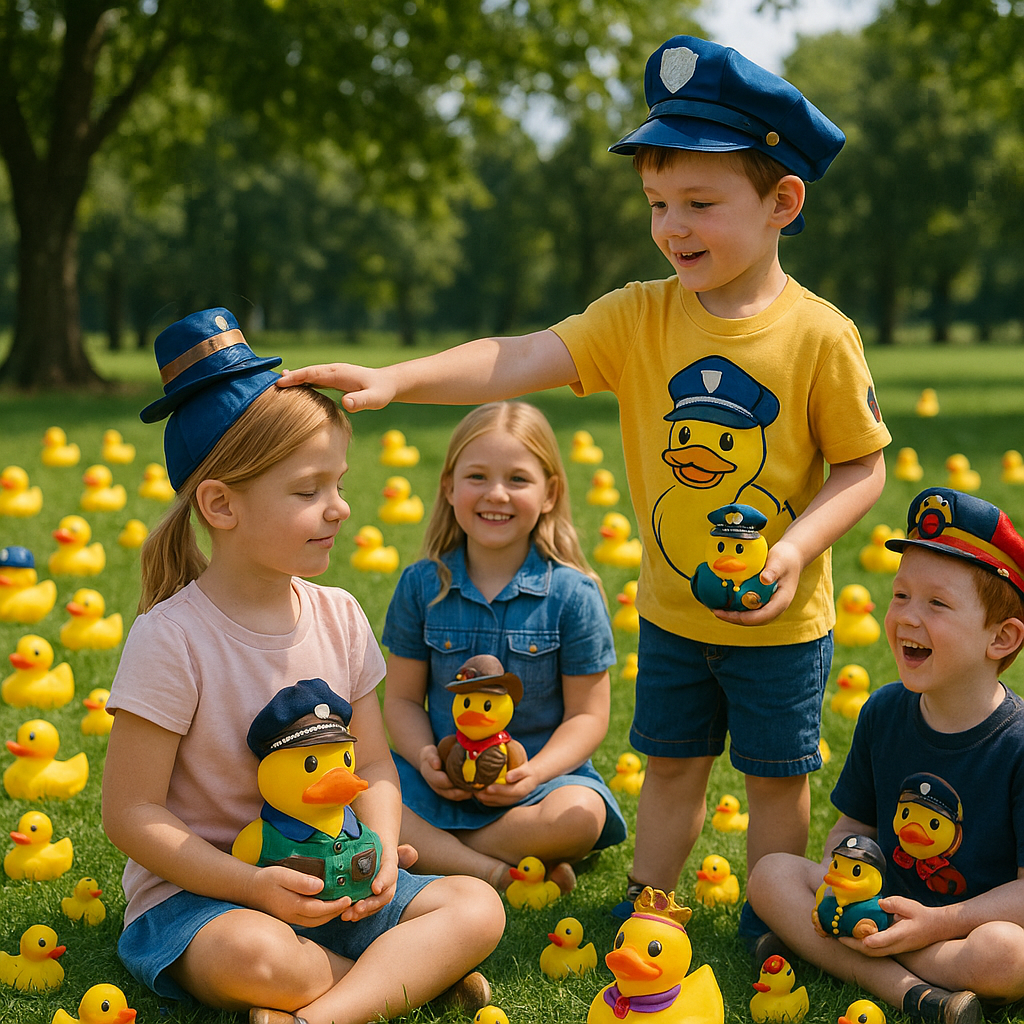
A single custom duck gets attention. A themed series keeps buyers coming back. Seasonal, lifestyle, and collectible sets create a reason to reorder—and the data backs it up. Amazon repeat-purchase analysis shows themed ducks drive 2.3× more repeat orders than generic yellow ducks. Our internal data tells a similar story: the average B2B order value for themed ducks is 3× that of standard yellow ducks.
Seasonal Themes Win the Calendar
Christmas, Halloween, and Pride are the top three seasonal themes. Google Trends data shows ‘rubber duck set’ search volume spiked 60% year-over-year in December 2026, hitting a heat index of 100. Seasonal sets ordered by September lock in sub-$0.80 per duck at 5,000-unit volumes. Pantone color matching and in-mold logo embedding keep your brand consistent across every holiday drop.
Lifestyle Niches Build a Loyal Following
Outdoor, foodie, and fitness ducks target specific communities. The Jeep ducking trend has created demand for ultra-miniature ducks (1.5–2 inch) with flat, non-skid bases. Most Asian factories still quote 3-inch bath molds. Buyers who specify the exact gram weight (18-22g) gain a 3-week lead time advantage. We match that spec using heat-stabilized TPE that stays dimensionally stable up to 70°C, unlike cheap PVC that warps on a dashboard.
The Economics of a Product Line
A single themed order is profitable. A series creates a recurring revenue stream. Brand managers who plan a full year of themed drops—Christmas, Valentine’s, Pride, back-to-school—spread mold costs across batches and reduce per-unit cost by 12-15%. This is only possible with a supplier that can handle MOQ of 1,000 units per SKU, hold multiple Pantone references, and deliver EN71-certified ducks with consistent color across runs. That’s the difference between a promotional item and a product line.
Jeep Ducking: The Viral B2B Opportunity
Jeep ducking: a B2B sourcing opportunity for 1.5-inch mini ducks with flat bases.
The Jeep ducking phenomenon started as a friendly gesture—Jeep owners place a rubber duck on another Jeep. It has grown into a mainstream trend. Google Trends data shows “rubber duck set” search volume spiked 60% year-over-year in December 2026. Promotional duck orders among corporate buyers rose an estimated 22% in the same period, driven by hybrid event swag boxes and club giveaways.
Most B2B coverage treats ducking as a cute consumer story. It misses the real procurement angle. Clubs and community events now buy branded ducks by the thousands. They need ducks that fit a specific use case: small enough to leave on a car dashboard without rolling off, durable enough to survive heat, and produced at a scale that makes sense for a budget.
The Size and Weight Gap
The standard bath duck mold is 3 inches. That works for tubs, not for Jeep dashboards. The ducking trend demands ultra-miniature ducks: 1.5 to 2 inches tall with a flat, non-skid base. Most Asian factories still quote the 3-inch mold as default. Buyers who specify the exact gram weight — 18 to 22 grams — skip the back-and-forth and gain a 3-week lead time advantage. That is the difference between hitting a campaign deadline and scrambling for alternatives.
Material Quality That Stays Put
Cheap PVC ducks use migratory plasticizers. Those plasticizers leach out in heat, warping the duck and leaving a sticky residue on a Jeep dashboard. Professional B2B suppliers select heat-stabilized TPE that remains dimensionally stable up to 70°C. That is a massive differentiator, and it never gets mentioned in consumer blogs or most sourcing guides. If your brand gives away a duck that stains a customer’s car, the social media backlash will cost more than the order itself.
Color Matching as Risk Control
Color inconsistency is the top complaint in bulk mini ducks: 37% of 1-star reviews cite it. A major beverage brand once had to recall 10,000 promotional ducks because the print turned neon orange instead of their warm brand orange. The reprint cost $15,000. Demand an approved physical color chip, not a digital render. The factory holds Pantone matching capability and in-mold logo embedding to lock the color into the material, not print it on top.
For clubs and community events, the math is simple. Themed duck orders average 3 times the value of standard yellow duck orders. Seasonal sets ordered in September lock in sub-$0.80 per duck at 5,000-unit volumes. The B2B opportunity in Jeep ducking is real, but it requires a supplier who understands the specific size, weight, and material tolerances. Most don’t. The ones who do give you a 3-week lead time advantage and a product that won’t damage your brand.
Conclusion
Skip the sample approval step, and you risk a $15,000 reprint when the container arrives with neon orange instead of your brand’s warm orange. That’s a 6-week delay and a wasted campaign window. The 2026 trends—themed series, color psychology, Jeep ducking—only deliver ROI if you enforce quality tolerance at the sourcing stage. Specify heat-stabilized TPE (shore A 35 ±5) and demand a physical color chip, not a digital render. Without that, FOB pricing means nothing because the product won’t survive outdoor events or UV exposure.
- Themed duck series drive 3× higher B2B order value than standard yellow.
- 37% of negative reviews cite color inconsistency – demand a physical chip.
- Specify shore A 35 ±5 hardness to prevent warping at 70°C.
- September orders lock in sub-$0.80 per duck at 5,000-unit volumes.
Frequently Asked Questions
What is the rubber ducky trend?
It’s the viral ‘Jeep ducking’ movement where rubber ducks are placed on Jeeps, plus a growing demand for themed collectible series and color-driven emotional engagement in promotional merchandise. For B2B buyers, this. Align your order with the dominant trend to maximize engagement.
What does 10 four rubber ducky mean?
It’s a CB radio phrase: ’10-4′ means ‘message received’ and ‘rubber ducky’ is a common trucker handle. So it’s a friendly acknowledgment used between truckers on the road. Use this context if targeting trucking or CB culture audiences.
Why are people putting rubber ducks everywhere?
It’s driven by the ‘Jeep ducking’ trend where owners place ducks on other Jeeps as a friendly gesture, and it’s now spreading to other vehicles and public spaces. For B2B sourcing. Consider custom ducks designed for easy placement on vehicles or surfaces.
What does it mean if someone puts a rubber duck on your car door handle?
It means a fellow Jeep owner is giving you a friendly gesture, often welcoming you to the community or showing appreciation. Keep the duck or pass it. If you drive a Jeep, expect a duck to appear; it’s a sign of camaraderie.
What do truckers call Shaky Town?
It’s CB radio slang for a location with heavy police activity or speed traps. Truckers use it to warn each other about enforcement ahead. Know the lingo if you’re marketing to truckers or CB enthusiasts.
Related reading: Rubber Duck Trends 2027: What B2B Buyers Should Prepare Now