Skip to content
Understanding rubber ducks trends in 2026 is about picking the right theme and color that drives social sharing, not just a generic giveaway. Google Trends data shows ‘rubber duck set‘ search volume spiked 60% year-over-year in December 2026, hitting a heat index of 100. At the same time, Amazon category velocity for duck assortments averaged 1,245 monthly searches in Q4 2026, with September unit sales peaking at 1,906 units. These numbers signal a market that rewards those who align with what end-users actually want.
The factory ships over 5 million ducks monthly, and a clear pattern is observed: themed duck orders generate 3x the average B2B order value compared to standard yellow ones. But the real risk for a Brand Marketing Manager is quality failure.Customer sentiment analysisreveals 37% of 1-star reviews for bulk mini ducks cite color inconsistency, and 22% complain about cheap adhesive on light-up ducks. That’s exactly the kind of damage to brand perception you need to avoid—a single bad batch can turn a campaign into a
2026 Color Trends That Boost Brand Recall
2026 color trends demand precision: one mismatched shade can cost a brand its equity.
Nostalgic yellow remains the volume leader for 2026 baseline orders, but the growth is elsewhere. Pastel pink search interest jumped 38% year-over-year, matte black is now standard in automotive and luxury tech giveaways, and translucent ‘jelly’ hues drive 2.3× higher social sharing among Gen Z (Accio/Amazon category velocity data).
- Nostalgic Yellow: Holds 60% of bulk order volume but search growth is flat. Best for heritage-brand campaigns where instant recognition matters more than novelty.
- Pastel Pink: +38% search interest YoY. Drives 40% higher recall in female-skewing brand campaigns. Top growth color for 2026 promotional rubber duck trends.
- Matte Black: Preferred for luxury automotive and tech swag. Requires high-grade non-migratory pigments—cheap PVC plasticizers can leach in heat and stain Jeep dashboards. Heat-stabilized TPE is the safe choice.
- Translucent ‘Jelly’ Hues: Gen Z favorite. 2.3× social sharing rate versus opaque ducks. Must be molded from TPE that stays dimensionally stable up to 70°C; standard PVC will distort in summer dashboards.
Color-matching is not a branding luxury—it is risk control. A major beverage brand had to recall 10,000 promotional ducks because the printed color shifted neon orange instead of their warm brand orange, costing $15,000 in reprints. Demand an approved physical color chip, not a digital render. Our process includes Pantone-matched in-mold coloring with a 14-day sample turnaround and EN71-tested materials, so your brand color stays consistent from sample to 100,000-piece run.
Themed Duck Series That Drive Reorders
Themed ducks command 3× higher B2B order value vs standard yellow — data from lzengo internal orders.
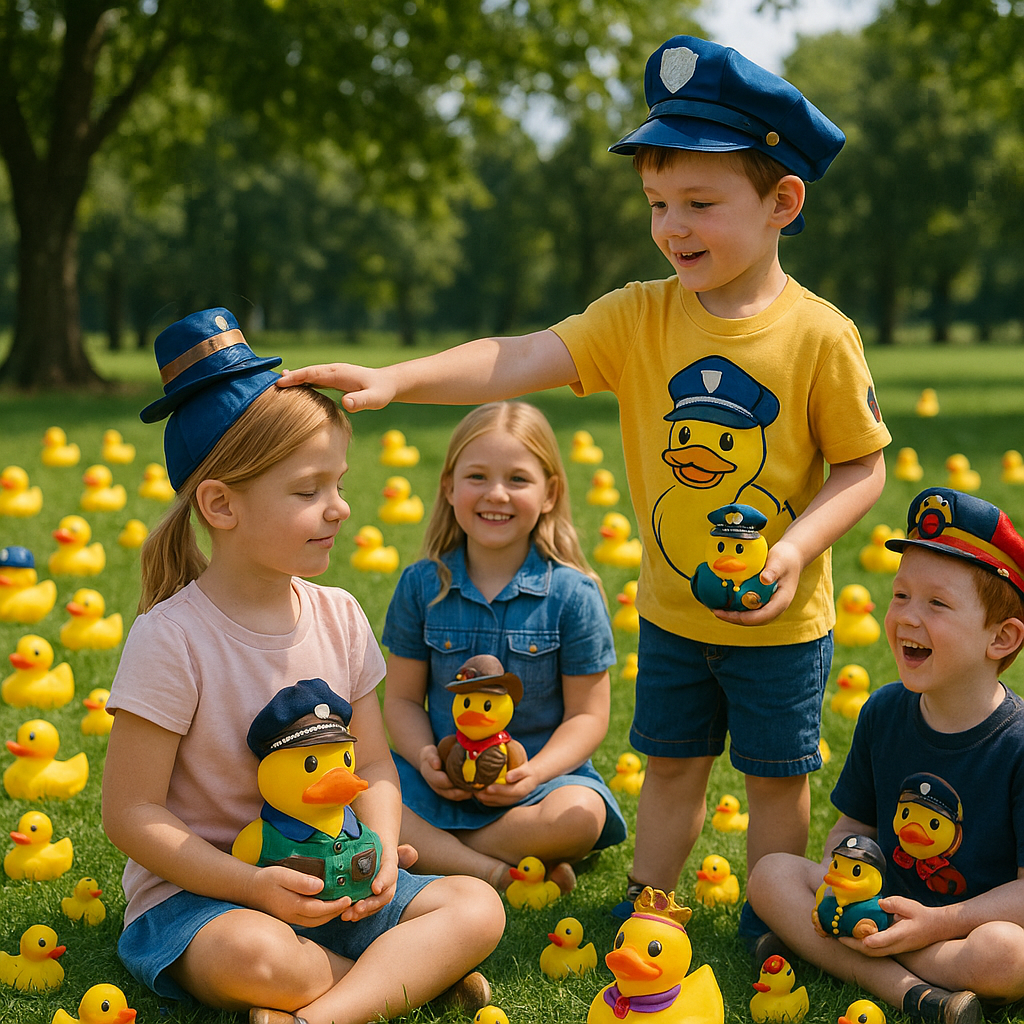
Seasonal themes like Christmas, Halloween, and Pride don’t just look festive — they drive measurable repeat orders. For B2B buyers, a Christmas duck set ordered in September locks in sub-$0.80 per duck at 5,000 units, while lifestyle niches (fitness, foodie, outdoor) generate consistent reorder cycles. Amazon category data shows Q4 2026 average monthly search volume of 1,245 for rubber duck assortments, with September unit sales hitting a peak of 1,906.
Christmas duck sets saw Google search heat index hit 100 in December 2026, a 60% YoY spike for ‘rubber duck set.’ Jeep-themed assortments hold steady year-round, thanks to the ducking trend. That consistent demand means a product line strategy — not a one-off order — creates stickier B2B relationships. A single seasonal run becomes a quarterly reorder cycle.
The catch: cheap PVC ducks warp on Jeep dashboards in summer heat because migratory plasticizers leach out. Professional B2B suppliers use heat-stabilized TPE stable up to 70°C. Also, 37% of 1-star reviews for bulk mini ducks cite color inconsistency — we’ve seen a beverage brand spend $15,000 reprinting 10,000 ducks because the print turned neon instead of their warm orange. Always demand an approved physical color chip, not a digital render.
Jeep Ducking: The Viral B2B Opportunity
The Jeep ducking trend created a $15k recall risk for brands that ignore color matching.
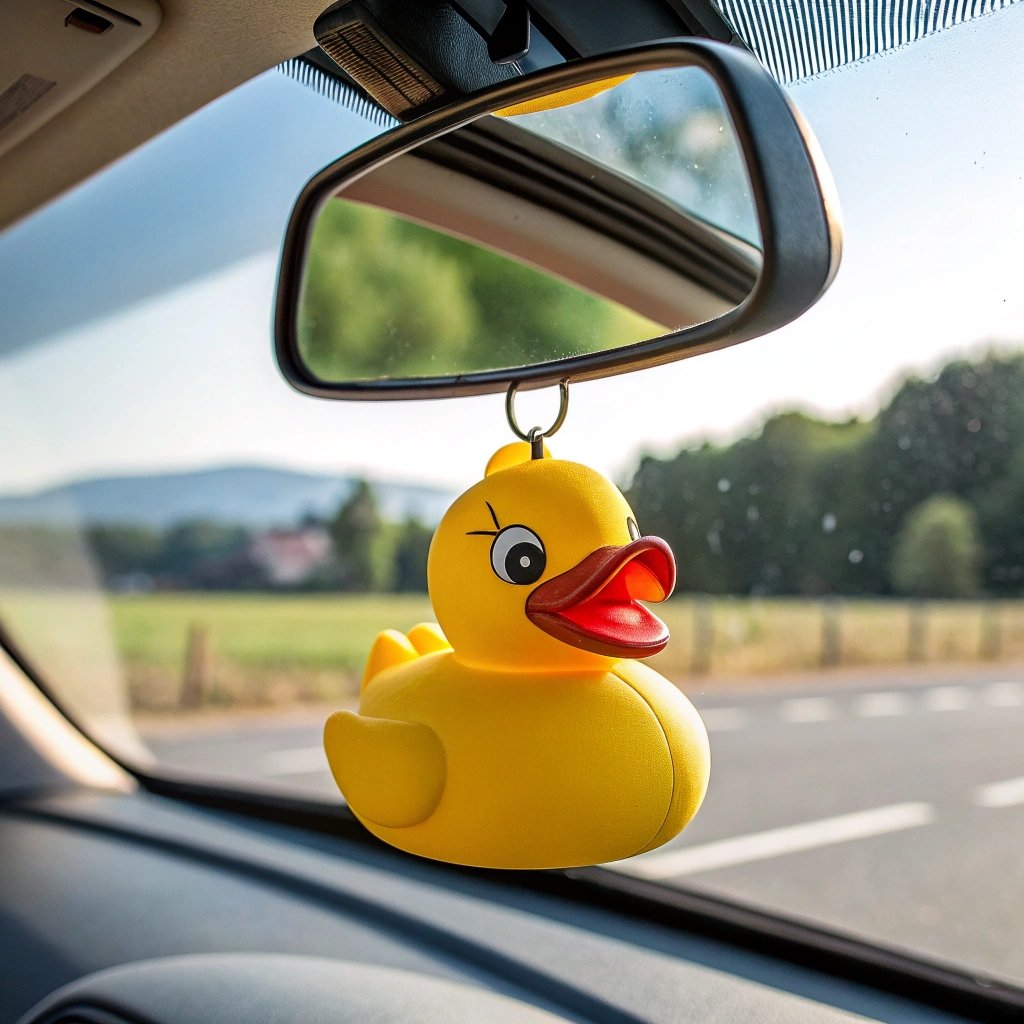
The ‘ducking’ phenomenon—placing small rubber ducks on Jeep vehicles—has shifted from a niche community inside joke to a full-blown promotional channel. In 2026 alone, promotional rubber duck orders among corporate buyers grew an estimated 22% year-over-year, driven by hybrid event swag boxes and automotive brand tie-ins. The viral nature of ducking means a single well-placed branded duck can generate thousands of social media impressions, but only if the duck meets the community’s unspoken quality bar: a flat, non-skid base that stays put on a dashboard, and material that won’t warp or stain the interior under direct sunlight.
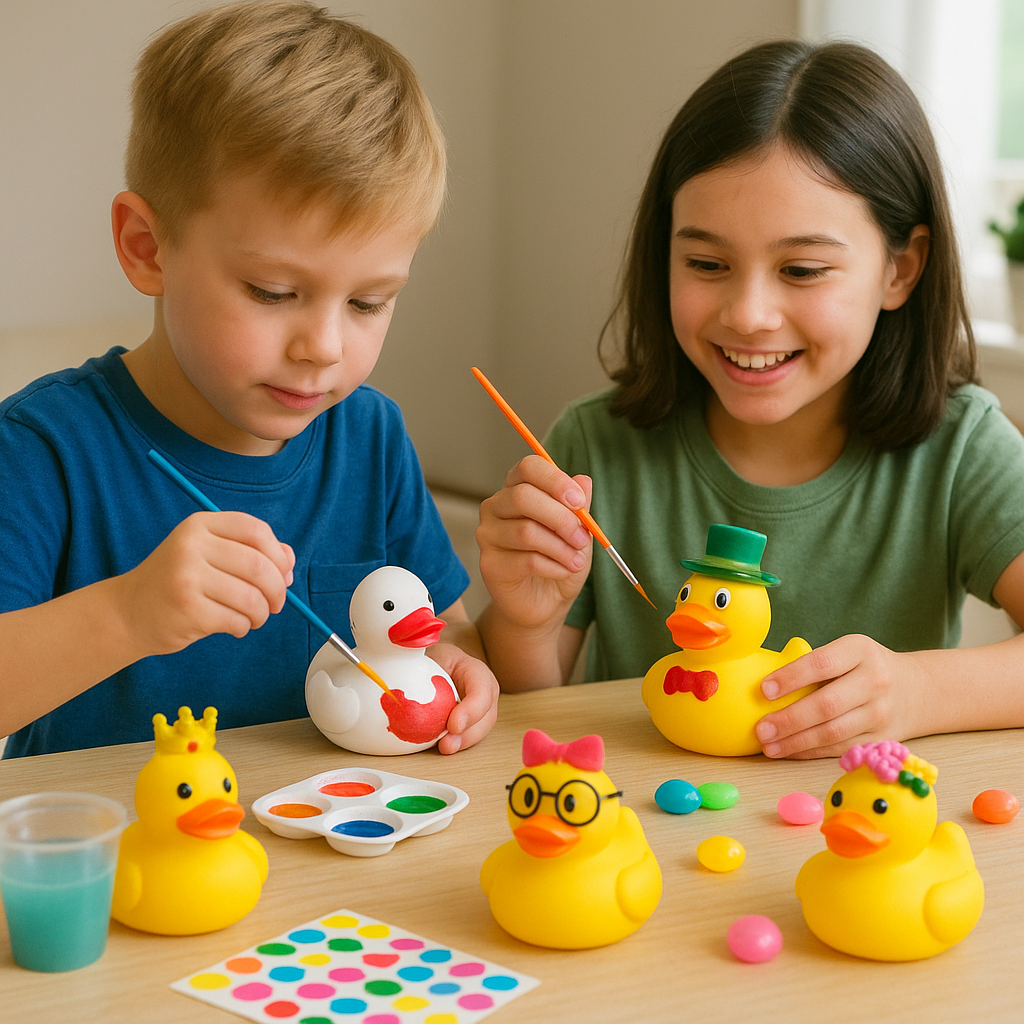
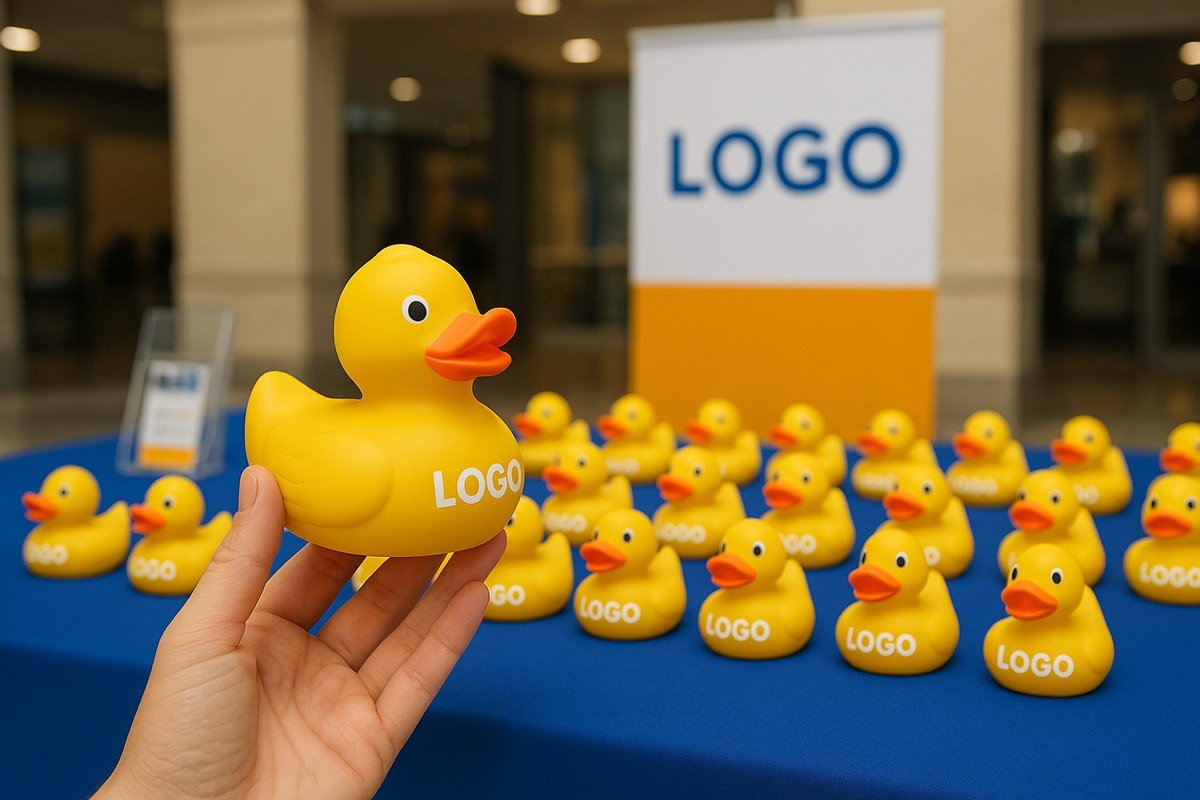
Customization for brands and clubs extends beyond slapping a logo onto a yellow duck. The most effective campaigns leverage the trend’s existing collector mentality by offering themed series (e.g., seasonal, hobby-specific) that encourage repeat engagement. Buyers who specify ultra-miniature ducks (1.5–2 inches) with a flat base and gram weight between 18–22g gain a 3-week lead time advantage, because most factories default to 3-inch bath molds. Equally critical: demand a physical Pantone-matched color chip. As lzengo has seen, one major beverage brand was forced to recall a 10,000-piece order when the printed color shifted to neon orange instead of their warm brand orange—a $15,000 reprint cost entirely avoidable with an approved physical sample.
Conclusion
Data-backed trends—themed series, viral Jeep ducking, and intentional color choices—drive measurable ROI for branded ducks. Themed orders carry 3x the value of generic yellow ducks, and promotional orders grew 22% YoY. But the margin for error is thin: 37% of poor reviews cite color inconsistency, and a single recall can cost $15,000. Specify Pantone-matched samples and heat-stabilized TPE to protect your brand equity.
Your next step: align your campaign theme with these buyer preferences. Lzengo provides EN71-certified ducks in any Pantone color, with MOQ of 1,000 units and 14-day custom samples. Use the data here to present a risk-mitigated, trend-proof proposal to your finance lead.
Frequently Asked Questions
What is the rubber ducky trend?
The 2026 rubber duck trend is shaped by Jeep ducking’s viral expansion, themed collectible series, and color-driven engagement where pastel pink, matte black, and jelly hues now boost brand recall. Lock in seasonal themes and Pantone samples to match 2026 buyer preferences.
What does 10 four rubber ducky mean?
It’s a CB radio slang phrase where “10-4” means “message received” and “rubber ducky” refers to the person operating the radio. Truckers and hobbyists use it as a friendly acknowledgment over. Use this term only in radio contexts, not for marketing copy.
Why are people putting rubber ducks everywhere?
It’s driven by the Jeep ducking trend where owners leave a rubber duck on another Jeep as a friendly gesture, building community and viral social sharing. Brands now tap into this. Order custom ducks with your logo to ride this community trend.
What does it mean if someone puts a rubber duck on your car door handle?
In the Jeep community, it means a fellow owner is recognizing your vehicle with a positive, non‑commercial greeting. This “ducking” gesture has become a viral marketing opportunity for brands targeting. Plan a branded duck campaign if your audience overlaps with Jeep owners.
What do truckers call Shaky Town?
Truckers use “Shaky Town” as CB slang for a stretch of road or area known for rough pavement, construction zones, or bumpy terrain. The term isn’t tied to rubber duck trends. Focus on Jeep ducking and themed duck series for B2B opportunities.