Skip to content
Flash giveaways are the highest-velocity promotion format on social media: a post goes live, an audience enters within hours, and the winner is announced before the algorithm moves on. For brands running them with rubber ducks as the prize, the mechanics matter more than the cuteness — entry mechanics, giveaway rules, fulfillment speed and unit economics all decide whether a duck drop builds an audience or burns one. This guide covers how brands structure flash duck giveaways that actually convert, and where the costs hide.
The Flash Format: Why 24–72 Hours Works
The flash giveaway’s power is the deadline. A 24-to-72-hour entry window concentrates the promotion: followers enter, tag friends, share stories, and the algorithm sees a spike of engagement in a compact window, which pushes the post to more non-followers. The standard structure that works across platforms: one entry mechanic (follow + tag a friend), a share bonus (story share = extra entry), a clear deadline, and a winner announced publicly within 24 hours of the close. The failure mode is the opposite structure — a two-week giveaway where engagement trickles and the post dies in the feed. Flash windows also make the fulfillment problem smaller: one winner, one prize batch, one announcement post that generates a second engagement spike. For the prize itself, branded ducks in the 1,000-piece MOQ range give a program dozens of prizes for a cost that fits a social budget; the custom rubber ducks page shows the customization options that make the prize on-brand rather than generic.
Entry Mechanics That Grow the List and the Feed
Two entry goals compete in a giveaway: growing the email/SMS list and growing the social reach. The mechanics should split the difference: mandatory entry (follow + comment), optional entry (email signup or story share for a second chance). Email capture is the higher-value asset long-term — a follower who enters a giveaway is a warm lead for the next campaign — so brands that run duck drops monthly are building a duck-adjacent marketing list as much as a social audience. The tag-a-friend mechanic multiplies reach but attracts entry-only accounts; the email mechanic attracts intent. Run both, weight the winner draw toward the email entrants, and the giveaway serves both goals. For brands running giveaways across multiple channels, our rubber duck giveaway ROI guide walks through the measurement side of the same program.
The Legal Layer: What a Flash Giveaway Must Carry
Giveaway law is the part brands skip until a complaint lands. Three rules apply in most markets: no purchase necessary (an entry path must exist that costs nothing), full terms and conditions published (entry window, eligibility, prize, odds, how the winner is chosen and contacted), and compliance with platform rules (each platform’s promotion guidelines govern how entries may be solicited and how winners must be announced). U.S. brands should also note the distinction between a sweepstakes (chance-based, no purchase) and a contest (skill-based, judging criteria required) — the official language matters. The FTC consumer guidance is the reference for the promotional practices that sit behind giveaway compliance, including how prizes must be described and how winner selection should be documented.
Fulfillment: The Duck Logistics That Save the Campaign
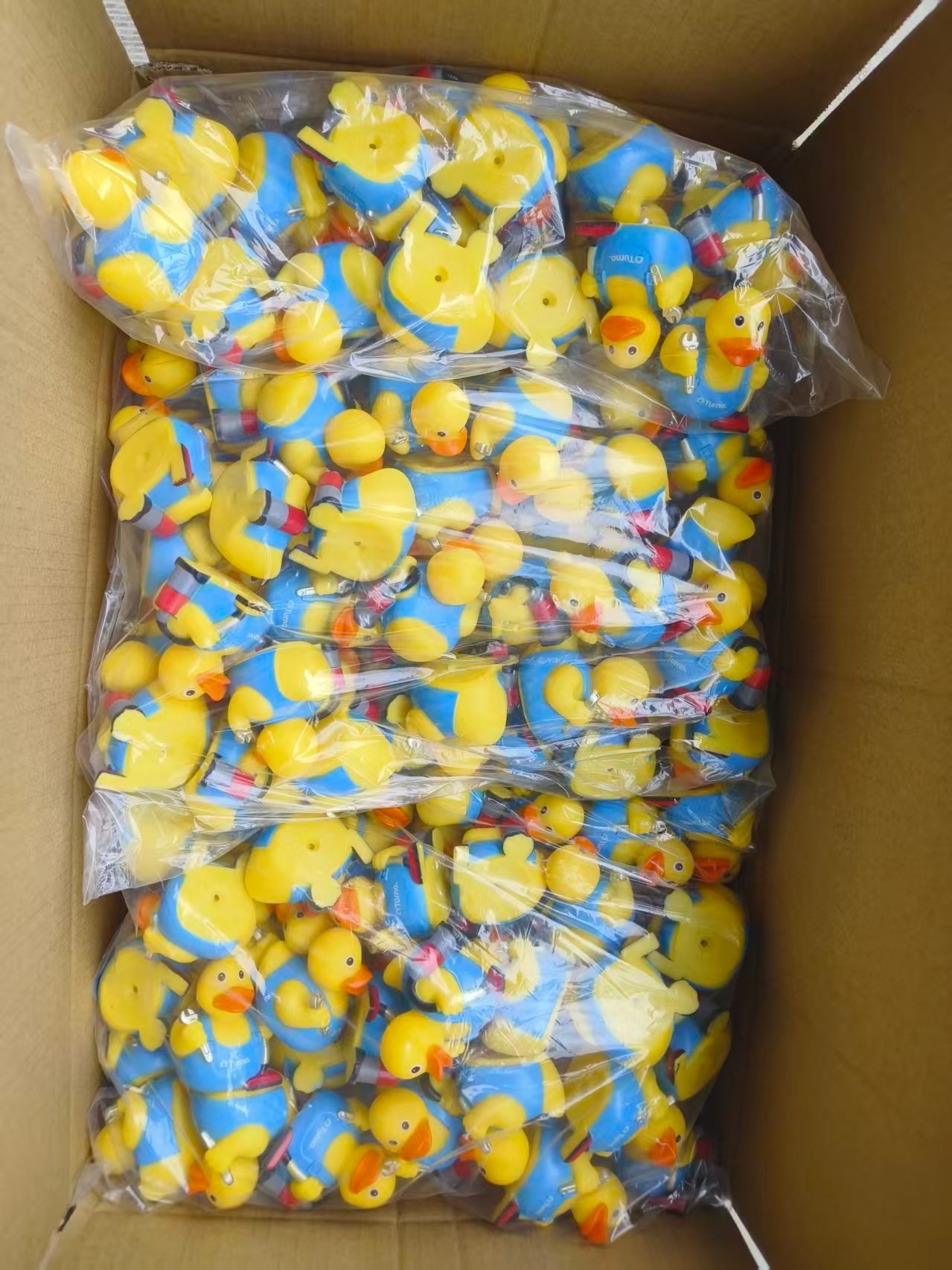
A giveaway’s second half is fulfillment, and it is where goodwill dies. The winner announcement must be followed by fast, tracked delivery — a prize that arrives in three weeks generates negative posts in the same feed that carried the giveaway. Two fulfillment patterns work for duck prizes: drop-ship single prizes from the factory (custom ducks with the brand logo, shipped direct, which also puts the branded product in the winner’s hands as a mini-unboxing moment), or bulk-ship a prize batch to the brand for staged announcements. The first pattern is cheaper and faster for one-winner formats; the second suits multi-winner formats (10 winners × 10 ducks). Bulk duck prizes pack small and ship economically — 1,000 ducks fit in a compact carton — so fulfillment cost rarely threatens the campaign budget. The bulk rubber ducks page covers the packaging and shipping options that keep flash-giveaway fulfillment under control.
Unit Economics of a Duck Drop
Run the math before the post. A typical flash giveaway budget: 100–500 branded ducks at $0.50–$1.50 each landed (custom-printed, depending on quantity and finish), plus shipping to winners and the creative cost of the announcement assets. The engagement return: a well-executed flash giveaway on a 10,000-follower account typically generates 1,000–3,000 entries and a measurable follower gain; the cost per engaged follower lands far below paid acquisition rates. The hidden cost is the rules review and the winner-management time — budget an hour of admin per giveaway, and the program stays profitable. For brands building a recurring duck-drop calendar, the promotional ducks for swag and retention guide covers how the same prize works across repeat campaigns.
FAQ
How long should a flash giveaway run?
24-72 hours concentrates engagement, spikes the algorithm, and keeps fulfillment simple; longer windows dilute the flash effect.
What entry mechanics should a duck giveaway use?
Mandatory follow-and-comment entry plus optional email signup or story share; weight the winner draw toward email entrants to grow the list as well as the feed.
Do giveaways need official rules?
Yes – no-purchase-necessary entry, published terms (window, eligibility, prize, winner selection), and platform-rule compliance; sweepstakes vs contest language must be correct.
How much does a rubber duck giveaway cost?
100-500 custom ducks at roughly $0.50-$1.50 each landed, plus shipping and admin; a well-run drop on a 10,000-follower account typically returns 1,000-3,000 entries.
A duck drop is a system: flash window, dual entry mechanics, published rules, fast fulfillment, and unit economics run before the post. Start with a 100-duck pilot and scale what works. Related reading: trade show giveaway strategy and the healthcare marketing giveaway guide.
For openings specifically, the drop formats and quantity math are laid out in our guide to ribbon-cutting duck drop formats.
Pop-up operators running short-window campaigns can copy the quantity math and drop mechanics from our guide to pop-up shop rubber duck giveaway guide.