Skip to content
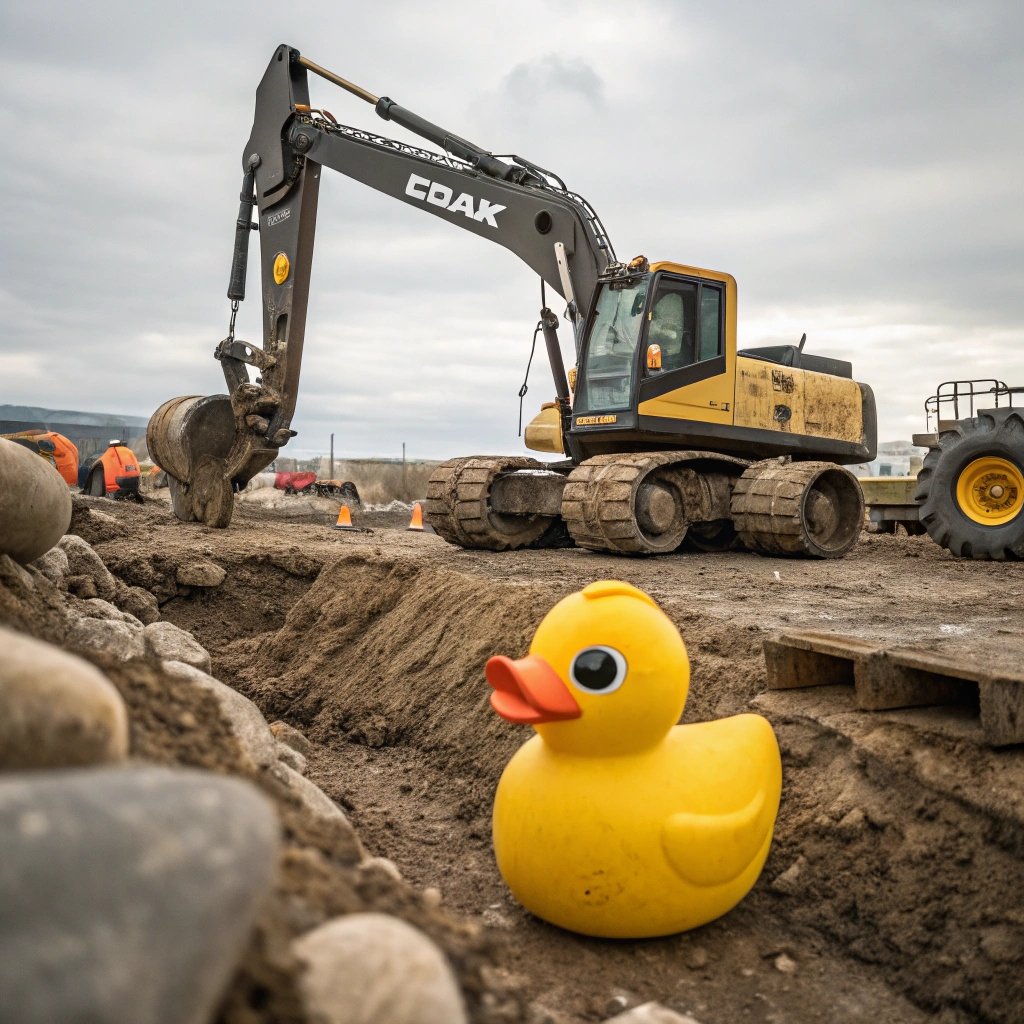
You approved the pre-production sample for your themed rubber ducks series six weeks ago. The paint was crisp, the scale matched your mockup, and the supplier assured you the mass production run would mirror it exactly. Fast forward to delivery day: the pirate duck is 5mm shorter than the astronaut, the chef’s hat looks more like a blob, and the color on the firefighter helmet shifted from bright red to burnt orange. That $50K order now sits in your warehouse, and you’re already fielding calls from retailers asking when the full set will ship — a set you can’t deliver because the pieces don’t look like they belong together. I’ve seen this happen in twelve different countries, and it almost always traces back to a single mistake: treating each character as an independent production job instead of designing the entire series for consistent tooling.
The fix isn’t about tighter quality control at the factory — it’s about how you structure the mold architecture before the first sample approval. When you plan a collection of four to twelve designs from the start, you can specify a shared master frame with CNC-machined aluminum inserts that lock every character to the same height and wall thickness. That’s what keeps your quality tolerance tight across the whole line and prevents the scale drift that kills reorder rates. It also lets you negotiate better FOB pricing by amortizing the tooling across multiple SKUs. The question isn’t whether you can get a cheaper unit cost on an individual duck; it’s whether your supplier can deliver a cohesive series that buyers actually want to complete.

Why Most Themed Duck Series Fail: Hidden Risks
Scale drift and hardness mismatch destroy collectibility—two hidden risks most themed series ignore until returns pile up.
Themed duck series live or die on consistency. When characters from the same set arrive looking different sizes or feeling different in hand, collectors stop buying and returns spike. The root cause isn’t shipping damage—it’s poor mold tooling and polymer control during production. Most generic suppliers lack the engineering precision to lock scale and hardness across multiple SKUs.
- Scale Drift Across Characters: Without CNC-machined aluminum inserts locked into a master frame, each character’s mold cavity varies from pour to pour. Standard slip-casting molds without indexing pins produce height differences up to ±3mm at 7cm scale—enough to make a knight look dwarfish next to an astronaut. Demand CNC-locked inserts that hold wall thickness to ±1mm. Otherwise your series looks like a ransom note of mismatched ducks.
- Polymer Consistency Across SKUs: If one character uses a slightly different PVC batch or cure cycle, Shore A hardness drifts. One duck feels squishy, another stiff. Collectors notice instantly—they associate firmness with quality. Insist on identical Shore A hardness (typically 55–60 for standard ducks) across all characters in the series. Require the supplier to batch-test every SKU before shipment. A single hardness outlier signals a factory that doesn’t control its material inlet.
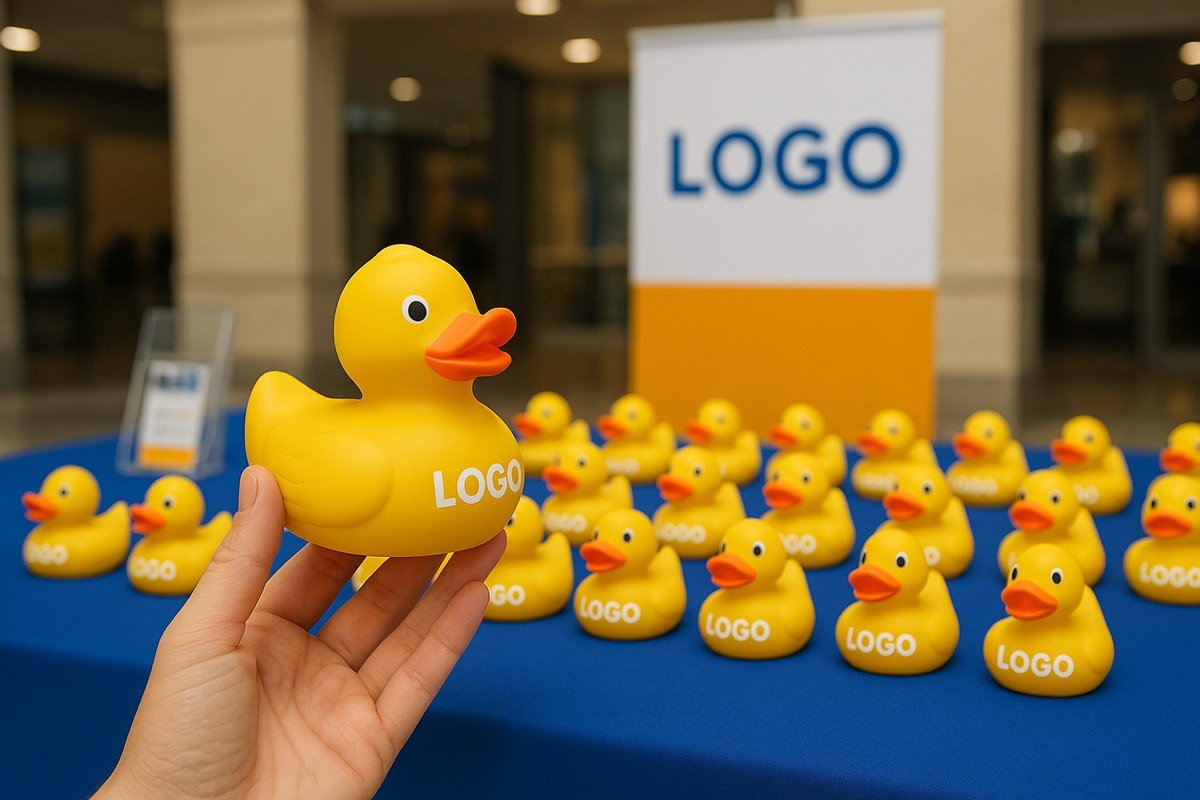
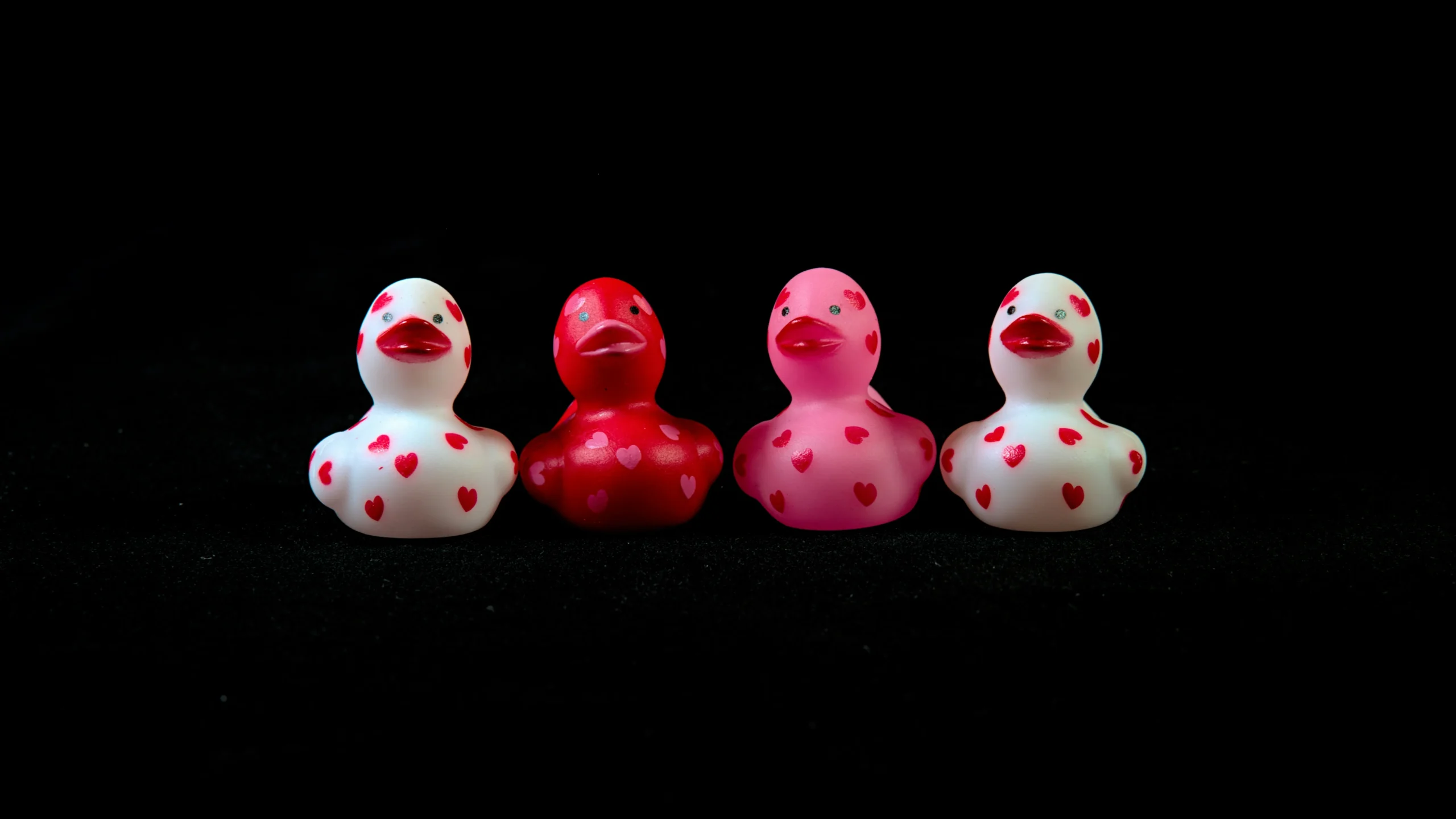
Designing Your Theme Line: Molds & Intellectual Property
Component molds cut tooling costs by 60% but need ironclad IP clauses.
The first fork in the road when designing a themed duck series is deciding between a full character mold for each SKU or a component system where heads, hats, or accessories swap onto a common body. Full character molds are the fastest path to production but run $800–$1,200 per design. A component approach — one master body cavity with interchangeable insert molds for the head — costs roughly $1,800 for the initial set-up plus $600–$700 per new head design. Over a five-year, 10-character series, that difference exceeds $8,000 in tooling alone.
- Full character mold: Each duck has its own dedicated cavity. Pros: independent design, faster per-unit cycle. Cons: ~60% higher tooling cost per character, no reuse between SKUs.
- Component mold system: A single master frame holds the shared body cavity; only the head insert changes per character. Pros: 60% lower per-character tooling, guaranteed consistent body height (±1mm), easier to release new characters. Cons: limited to same body shape across the line.
- Master frame ownership: Demand a clause stating you own the aluminum master structure. Without it, the supplier can reuse your body shape for any client.
- Insert cavity exclusivity: Each head insert must be your IP. The supplier cannot cut a second set for another buyer unless you authorize it in writing.
- Tooling storage & retrieval: Specify where molds are stored, who pays for storage, and the timeframe for tooling release (usually 30 days after final payment).
The IP trap most buyers miss: if your supplier owns the master frame and insert cavities, they can — and will — license your designs to other brands after your run ends. I’ve seen a hotel chain’s custom pirate duck appear on a competitor’s giveaway six months later because the contract only covered the molded product, not the tooling. You must negotiate full ownership of both the master frame and every insert cavity. Put it in writing: after the final PO or a defined hold period (18 months is standard), the tooling belongs to you. Have a local warehouse or partner store the molds if the supplier insists on physical possession.
Real Cost Breakdown of Themed Duck Series Production.
FOB Shenzhen PVC slush molding: $0.40–$0.90/piece depending on complexity and surface finish.
A themed duck series produced via PVC slush molding, quoted FOB Shenzhen, typically runs $0.40 to $0.90 per unit. The lower end covers simple solid-color shapes with no printing; the upper end includes multi-color layered molds, embossed logos, and matched Pantone colors. Every supplier in this range uses the same basic slush molding process, but wall thickness consistency and flash removal vary significantly. Always request the piece price broken out: raw material, labor, mold amortization, and packaging. When a supplier bundles these into one number, you lose visibility on where they might cut corners.
- Pricing Variables: Shape complexity (simple hull vs. multi-part molds with undercuts) adds $0.15–$0.30 per piece. Surface printing (pad printing vs. pad+embossing) adds $0.05–$0.12. Exclusive mold design with interchangeable inserts for series characters can reduce per-SKU tooling cost by 25–30% compared to individual molds per character.
- Safety Certification Costs: EN71 (EU) and ASTM F963/CPSIA (US) testing for a single PVC duck costs $200–$500 per SKU from an accredited lab like SGS or Intertek. Factory-provided certificates are often reused or forged — demand the original PDF with the lab’s reference number and test date. Budget $0.02–$0.05 per piece for certification amortization if you plan to run the same series for multiple reorders.
- Packaging Cost Breakdown: Bubble wrap + polybag adds ~$0.02 per piece. A cardboard tray with die-cut insert (retail-ready showcase) adds $0.08–$0.15. For a 6-piece themed set, a formed plastic clamshell inside a printed card tray adds $0.25–$0.40 per set. Bulk packaging without tray protection leads to chipped paint, bent fins, and scratched surfaces — common reasons for retail returns.
Hidden costs that routinely blow budgets: mold ownership transfer fees (many factories charge a ‘mold release’ fee unless you contractually own the cavities), sample revisions beyond two rounds (each round $50–$150), and expedited shipping for emergency reorders. Negotiate a bundled FOB price that includes one round of sample approval, the chosen packaging type, and a copy of the lab report — otherwise these line items get tacked on after you’ve committed to the run.
Benchmark to hold suppliers to: a properly packaged, certified custom duck series should have less than 0.5% defect rate at the final QC inspection (AQL 2.5 normal). If a supplier cannot demonstrate that level of consistency at the FOB pricing quoted, you are either paying too little for hidden rework or too much for inflated margin.
| Cost Item | Description | Price Range (FOB Shenzhen) | Savings Strategy |
|---|---|---|---|
| Mold Investment (Per Design) | Full individual mold: $300–$1,200 each. Interchangeable component system: ~$1,800 initial master + $700 per future character insert. | Use shared master mold with CNC inserts; amortize 25–30% off total fees across series of 4+ characters. | |
| Unit Production Cost | Standard PVC slush molding per duck (3D sculpted series). Includes material, labor, and basic QC. | $0.40 – $0.90 per unit at 1,000–5,000 MOQ | Bulk reorders or multi-SKU series reduce unit cost up to 15% via shared polymer batch and mold cycle efficiency. |
| Packaging & Safety Testing | Individual polybag: $0.02–$0.05. Retail-ready tray/display box: $0.15–$0.50. Third-party lab test per EN71/ASTM/CPSIA: $200–$500 per SKU. | Bundle safety cert for entire series (flat fee for same material) and negotiate packaging as combined line to lower per-unit packaging cost by 10%. | |
| Sample & Lead Time | Sample mold fee (non‑recurring): $100–$300 per design. Sample production: 7–10 business days. Full production lead time: 4–6 weeks after sample approval. | Combine multiple character samples in one mold cut to reduce sample tooling cost by ~20%. | |
| Tooling Ownership & IP | Master frame and insert cavities ownership: typically negotiated separately. Seller may retain rights if not specified in contract. | Write ownership clause into contract to avoid licensing fees ($500–$2,000 per design) if competitor uses your molds later. |
Conclusion
Skip the shared mold planning, and your first series might look cohesive. By the time you order the third character, scale drift of ±2mm and inconsistent hardness will kill collectibility—your reorder rate drops within 90 days. That’s not just a shelf failure; it’s wasted tooling investment and lost repeat revenue per SKU.
Before committing to your next themed rubber duck line, audit your supplier’s mold capability. Does it use CNC-locked aluminum inserts to guarantee ±1mm consistency across every character? Browse the LZENGO catalog to see production-ready themed sets that maintain precise scale and material uniformity across full collections.
Frequently Asked Questions
What is the typical MOQ for a themed rubber duck series?
MOQ for custom themed rubber ducks usually starts at 1,000 units per design for full customization, though some suppliers offer 500 units for simpler branded ducks. Series with multiple characters typically. Confirm exact MOQ with your supplier based on number of designs.
How can I reduce mold costs for a multi-character duck series?
Use a single master mold with interchangeable inserts for each character to cut tooling costs by roughly 30–40%. This technique amortizes the master mold across all SKUs and only charges per insert instead of. Ask suppliers about component mold options before ordering.
How do I ensure consistent size and quality across a themed series?
Ensure your supplier uses CNC-machined aluminum inserts locked into a common master frame to guarantee uniform scale, shape, and PVC hardness. Avoid suppliers without precise mold chambers—they produce each character independently, causing. Request samples of at least two characters before full production.
What makes customers reorder a themed rubber duck series?
Customers reorder when you design the series around seasonal or collectible themes with clear completion incentives, such as releasing new characters quarterly. The key is pre-planning the full lineup so each drop. Plan your series roadmap before the first mold is cut.
Are safety certifications required for custom rubber ducks?
Yes, if the ducks are intended for children or general distribution, certifications like ASTM F963, CPSIA, and EN71 are typically required. B2B buyers must ensure their supplier provides documented compliance, especially for multi-character. Verify compliance requirements with your legal team before ordering.