
Youth Sports League Fundraisers: Team Duck Sales for Boosters
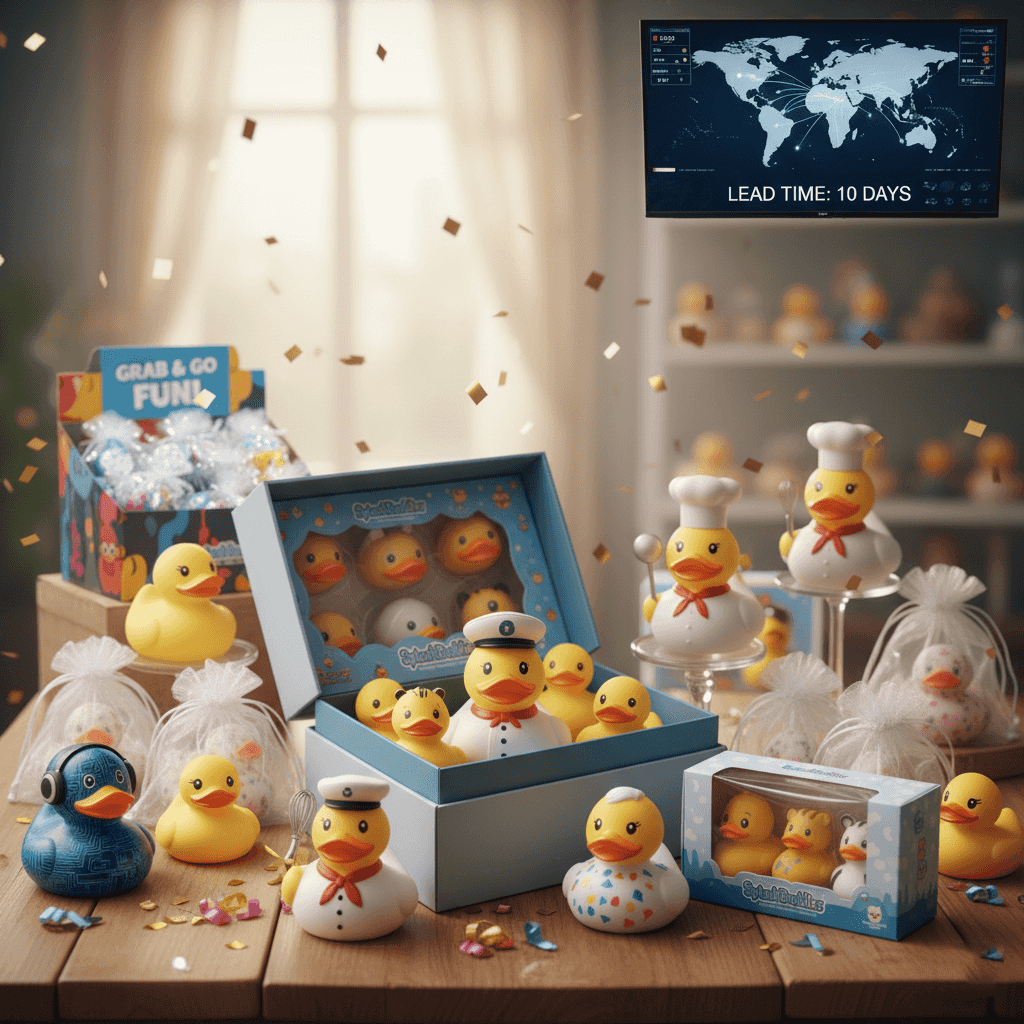
Youth sports leagues across the United States run the same fundraising cycle every year: bake sales, car washes, candy bar sales, and the occasional fun run. The problem with every one of those fundraisers is that they require volunteer labor, have low margins, and produce nothing the buyer keeps for more than a few weeks….
Virtual Event Swag: Shipping Rubber Ducks to Attendees’ Doors

Virtual events replaced the trade show floor with the browser tab, but they did not eliminate the need for a physical touchpoint. Attendees who log in to a webinar, conference, or product launch from home still sit in the same room they always do — and the brands that send something tangible to that room…
The Collectible Rubber Duck Market: Why Custom Designs Are Worth the Investment
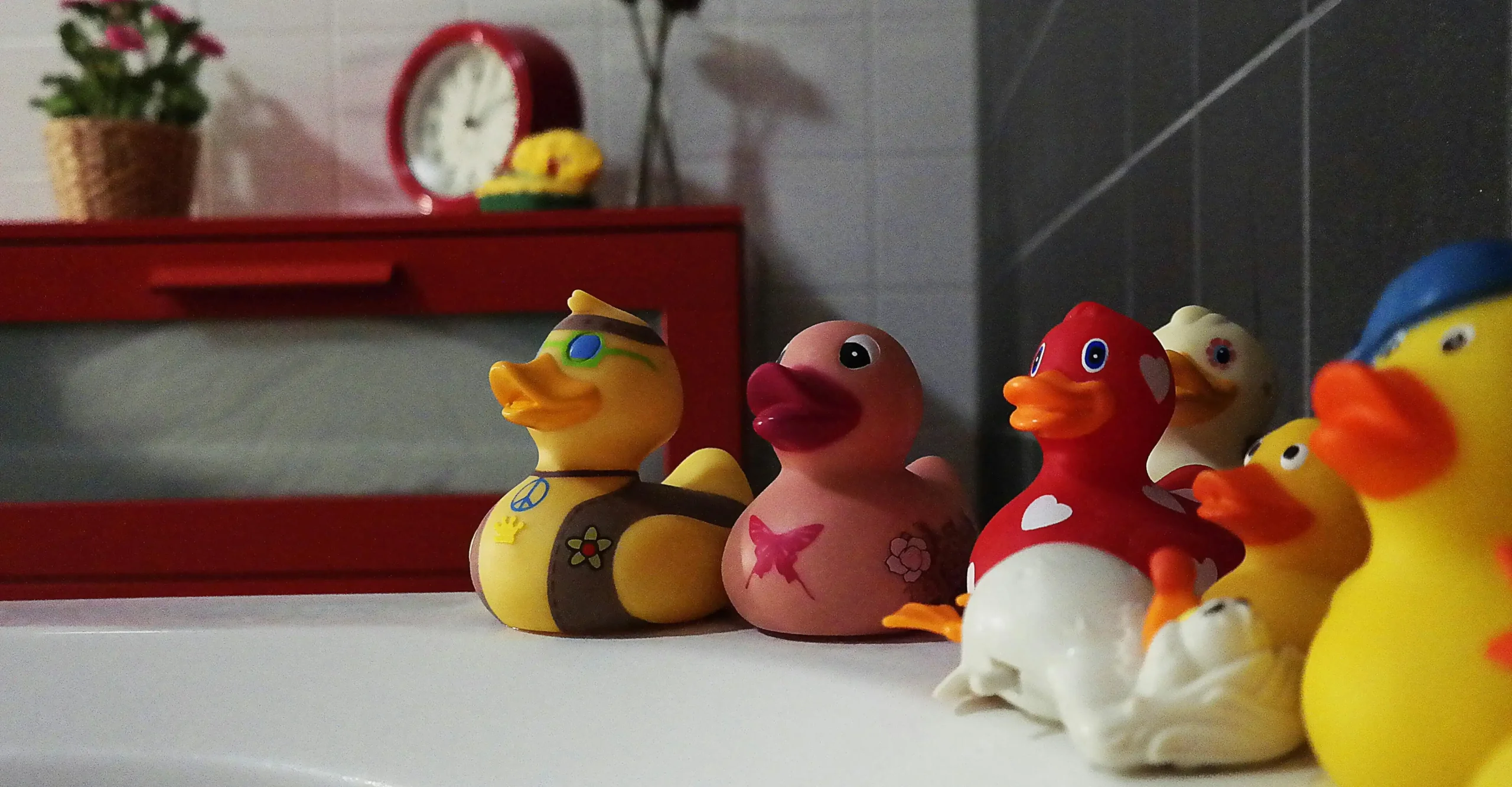
Rubber ducks have moved far beyond the bathtub. Over the past decade, a growing community of collectors has turned custom and limited-edition rubber ducks into a niche but active market segment. For B2B brands, this trend opens a door: a well-designed custom duck can function as both a promotional item and a collectible that recipients…
Understanding Rubber Duck MOQs: What First-Time Buyers Need to Know

Minimum order quantity — MOQ — is the single most important number in a rubber duck purchase conversation. It determines your per-unit cost, your lead time, and whether the factory will open a custom mold for your design. For first-time buyers, MOQs can seem confusing: why does one supplier require 1,000 units while another insists…
Rubber Duck Durability Standards: What ASTM F963 and EN 71 Mean for Buyers

Not all rubber ducks are built the same way. A duck that sits on a shelf in a gift shop faces very different stresses from one that goes into a bathtub, a car dashboard, or a child’s toy bin. For B2B buyers who source rubber ducks at scale, understanding the durability standards — particularly ASTM…
Auto Dealership Marketing: Rubber Ducks as a Low-Cost Customer Engagement Tool

Car dealerships spend thousands each month on advertising — radio spots, direct mail postcards, digital display ads, and the occasional billboard. Yet one of the cheapest customer touchpoints sits right on the service desk: a branded rubber duck handed to every customer who walks in for an oil change or picks up their vehicle after…
Trade Show Giveaway Strategy: Why Rubber Ducks Outperform Traditional Booth Swag

Every year, exhibitors spend an average of $5.80 per lead on trade show swag — and most of it ends up in the hotel trash can within 48 hours. Branded pens get left behind, stress balls lose their shape, and cheap stickers peel off within a week. If your booth giveaway does not survive the…
How to Start Jeep Ducking: A Beginner’s Ducking Kit List

Jeep ducking is the community habit of leaving a rubber duck on another Jeep owner’s vehicle, usually on the door handle, as a friendly greeting. It started in 2020 and has grown into a global movement with its own etiquette, its own sizing standard, and a whole retail economy around ducking kits. If you are…
Nostalgia Marketing: Why Rubber Ducks Keep Winning Across Generations
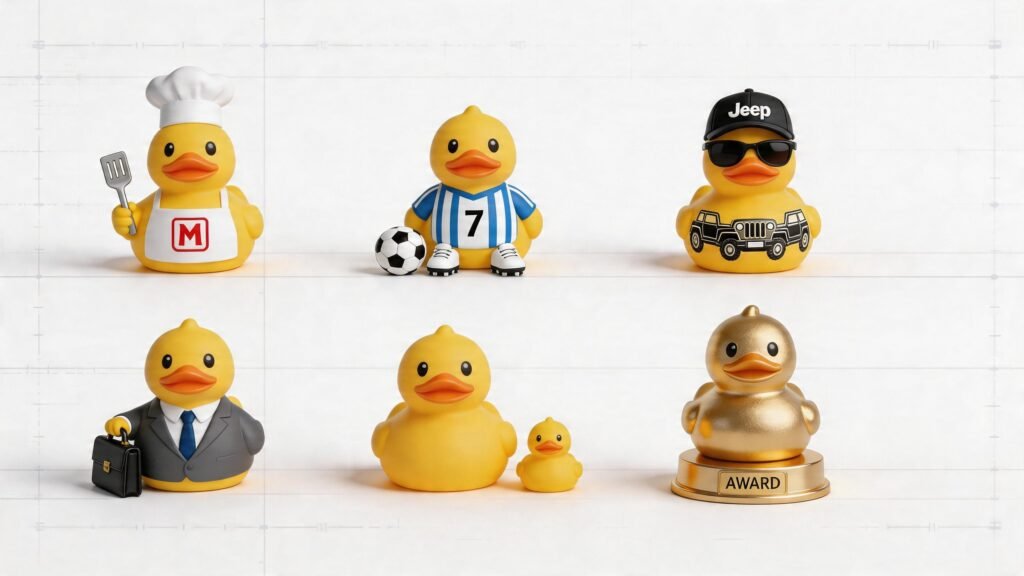
The rubber duck is one of the few promotional products that works on the same emotional register for a five-year-old and a fifty-five-year-old. The classic yellow duck has been a bathtub companion since the 1940s, a chart-topping song character since 1970, and an ocean-current research icon since 1992. Rubber duck nostalgia marketing leans on that…
Payment Terms for Rubber Duck Orders: T/T, L/C, PayPal, and Trade Assurance

Buying custom rubber ducks from a factory is a cross-border transaction, and the payment method you agree on decides how much risk each side carries. For a first-time buyer, the choices look technical: T/T, L/C, PayPal, Trade Assurance. Each one shifts the timing of when money moves, who holds it in between, and what happens…