Skip to content
Car dealerships spend thousands each month on advertising — radio spots, direct mail postcards, digital display ads, and the occasional billboard. Yet one of the cheapest customer touchpoints sits right on the service desk: a branded rubber duck handed to every customer who walks in for an oil change or picks up their vehicle after repairs.
The National Automobile Dealers Association (NADA) reports that the average new-car dealership processes 3,000–5,000 service visits per month. Each visit is a chance to reinforce the dealership’s brand, and a custom rubber duck costs a fraction of the print coupons most service departments already hand out.

Why Service Departments Are the Sweet Spot
Most customers dread the service experience. They sit in a waiting room with stale coffee, flip through outdated magazines, and worry about the bill. A rubber duck changes the mood. It is unexpected, it is friendly, and it gives the service advisor a natural conversation starter: “We have something for you at the front desk — look for the yellow duck.”
Dealerships that have adopted the duck strategy report that customers mention the duck in online reviews. Positive reviews that mention a specific, tangible detail carry more weight with prospective buyers than generic five-star ratings. The duck becomes a story, and stories drive referrals.
Types of Ducks That Work for Dealerships
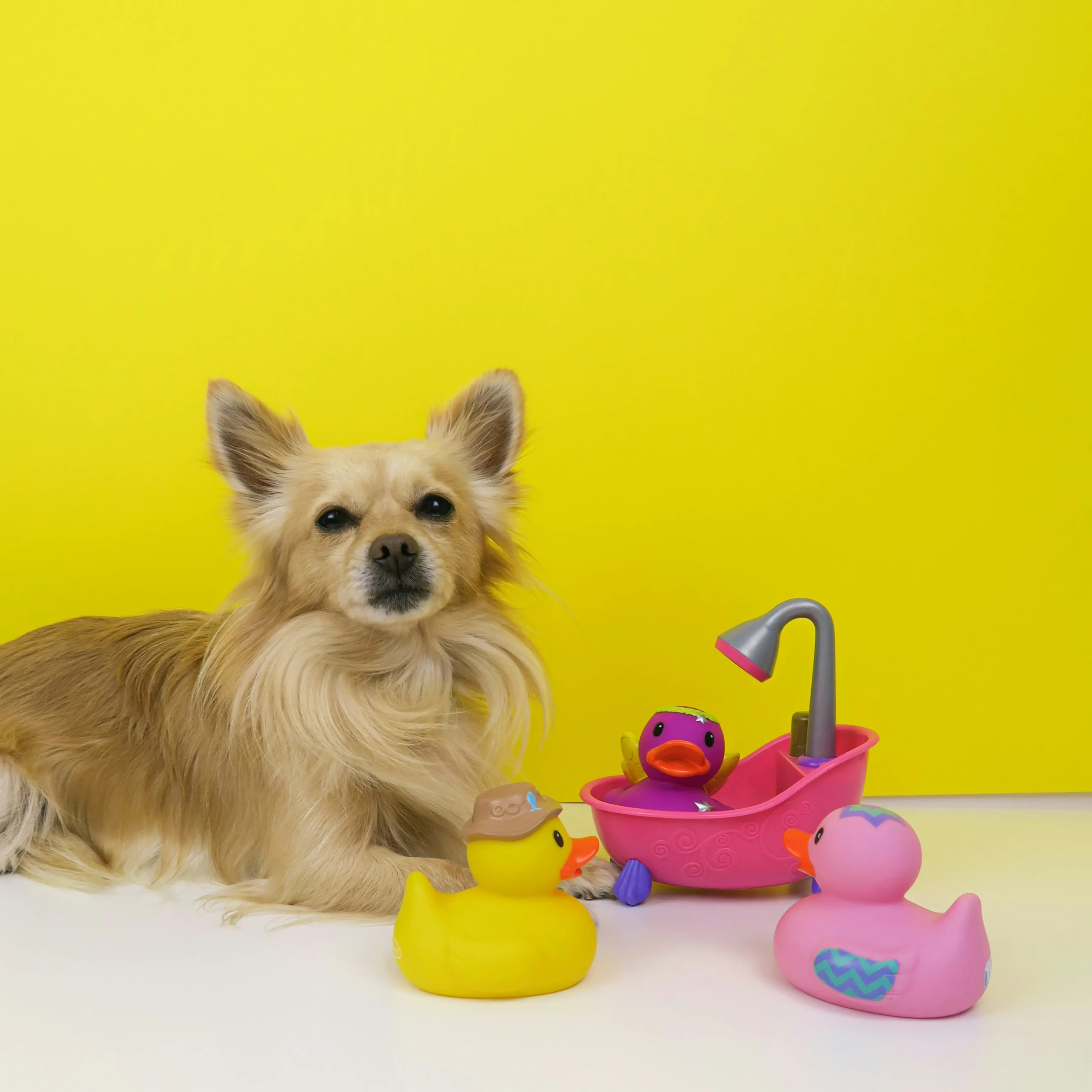
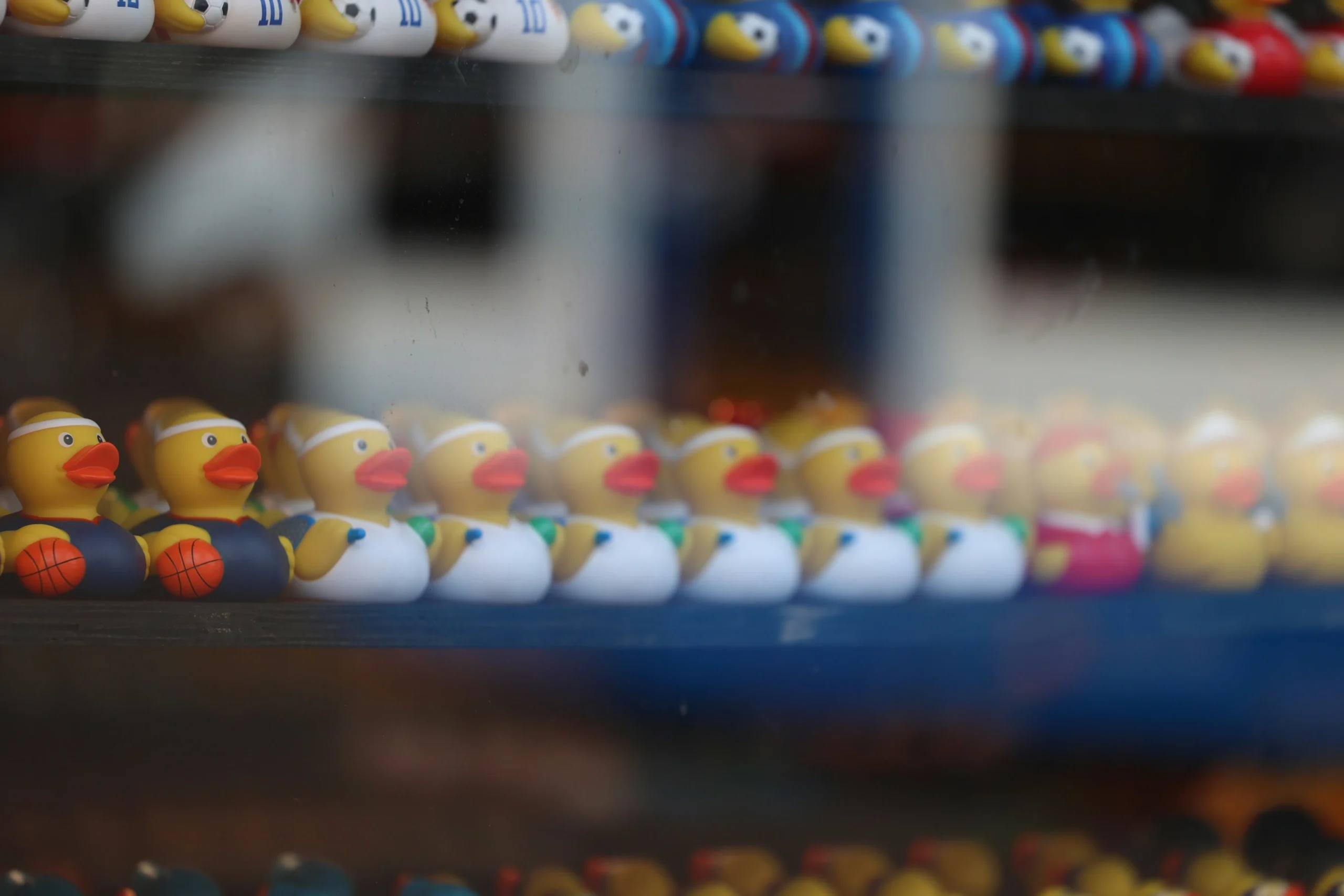
The most popular approach is a duck in the dealership’s brand colors with the dealer logo printed on the chest. Some dealerships go further — a duck wearing a service-cap hat for the service department, a duck in a salesperson’s suit for the sales floor, and a duck with a tow-truck motif for the roadside-assistance team. These themed ducks create a collectible dynamic that encourages repeat visits.
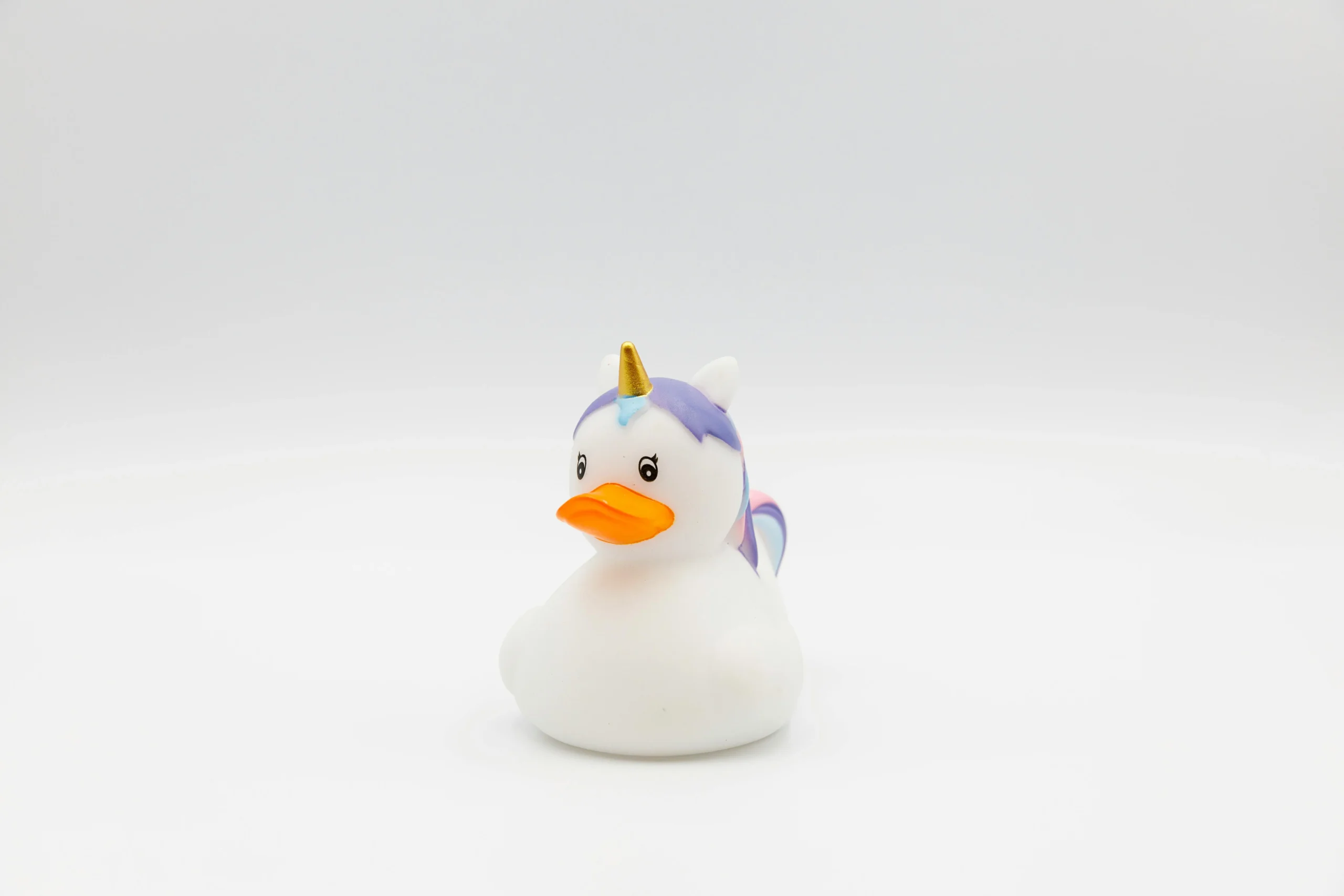
For dealerships that sell trucks and SUVs, the Jeep ducking trend adds a cultural layer. Customers who already participate in Jeep ducking will appreciate receiving a duck that matches their hobby. The custom rubber duck options at LZENGO include Pantone color matching, so the duck can exactly match the dealership’s brand palette.
Cost Structure for a Dealership Rollout
A typical dealership orders 2,000–5,000 ducks per quarter. At 5,000 units, the per-unit cost is approximately $0.40–$0.55 for a standard yellow duck with a one-color logo. Quarterly spend: $2,000–$2,750. Compare that to a single month of local radio advertising, which runs $3,000–$8,000 in most markets.
Integration with the Service Workflow
The duck fits naturally into the existing service workflow. Place a basket of ducks at the check-in counter. When the customer completes the repair order, the service advisor hands them the duck along with the keys. Some dealerships attach a small card to the duck with the advisor’s direct phone number and a QR code linking to the online review page.
Measuring the Impact
Dealerships can track the duck’s effect in three ways. First, monitor online review volume before and after the duck rollout — any increase in review mentions of “duck” confirms the item is being noticed. Second, track service-visit frequency among customers who received a duck versus those who did not. Third, ask new customers at check-in whether they have seen the dealership’s duck before; a “yes” answer indicates the duck is traveling beyond the service desk through word-of-mouth.

Seasonal and Event-Based Campaigns
Dealerships can align duck designs with seasonal promotions. A duck with a Santa hat for the December service special, a duck with sunglasses for the summer AC check campaign, or a duck in the team jersey for game-day sales events. These limited-edition ducks create urgency — customers want to collect them all — and they give the marketing team fresh content for social media posts.
Summary
For auto dealerships, a rubber duck is not a toy — it is a $0.50 customer retention tool that sits on the dashboard, generates positive reviews, and gives the service team a conversation starter. At 3,000–5,000 service visits per month, even a small improvement in customer satisfaction scores pays for the duck program many times over.