Skip to content
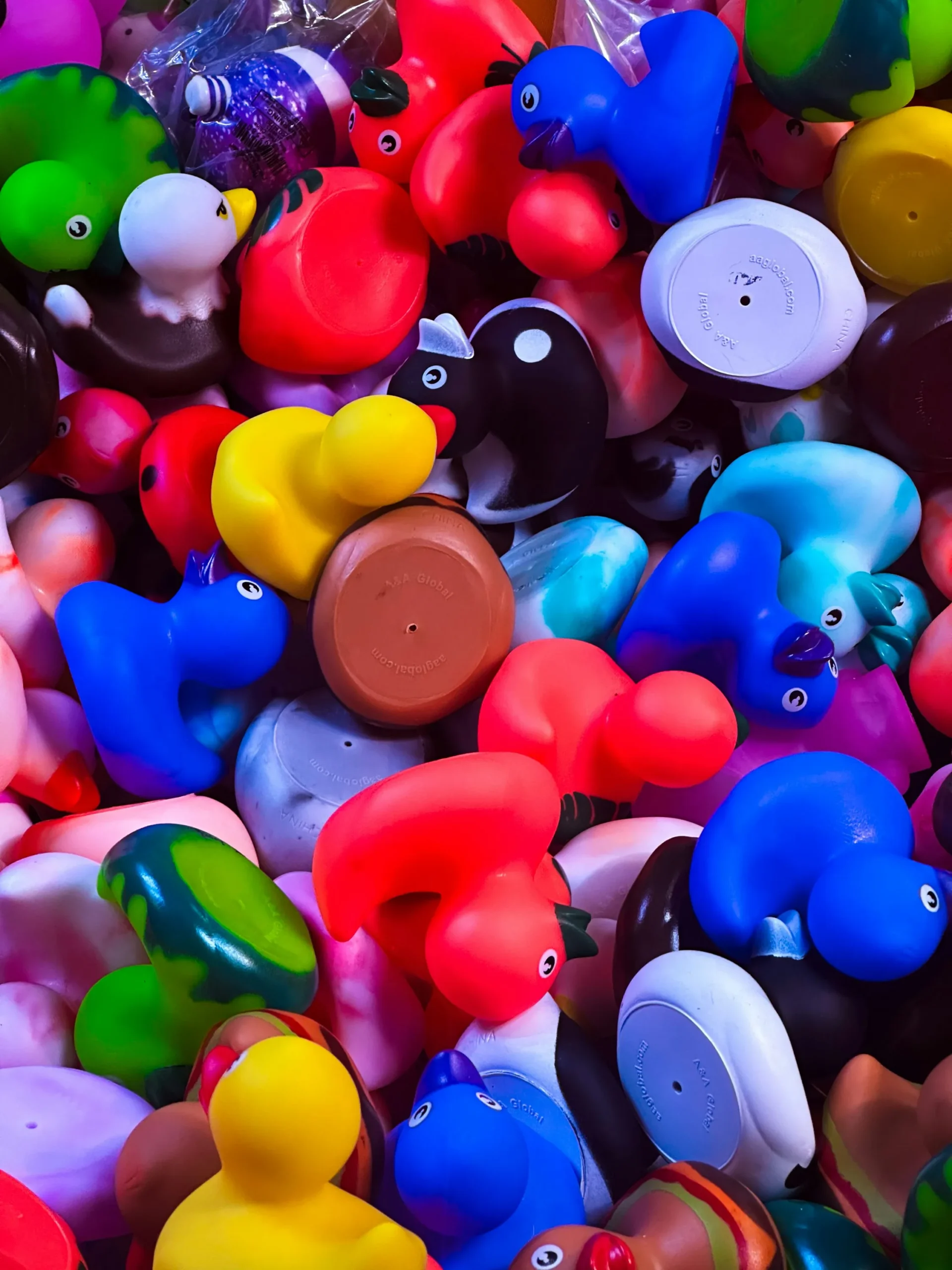
You’ve just opened the last carton of custom rubber ducks for the school fundraiser, and the sinking feeling hits you. The logo is smudged, the color is off by two Pantone shades, and the ducks themselves feel flimsy compared to the pre-production sample you approved six weeks ago. That $50,000 order — funded by parent donations and a grant — is now a table of lemons nobody wants to buy. I’ve seen this exact scenario play out across a dozen countries, and it always comes back to the same gap: the buyer assumed sample approval guaranteed production consistency, but without a rigorous quality tolerance clause in the contract, the factory’s definition of “close enough” can vary wildly.
For schools, clubs, and nonprofits, the stakes are even higher because margins are razor-thin and reputations are on the line. You’re not just ordering swag; you’re creating a collectible that a kindergarten teacher will sell to parents, or a club will hand out at a community fair. That means compliance with CPSIA or EN71 isn’t optional — it’s non-negotiable. And while FOB pricing from a factory in China might look attractive at $0.80 per duck, if you haven’t budgeted for packaging, inspection, and the inevitable sample revision cycle, your landed cost can double before the pallet clears customs.
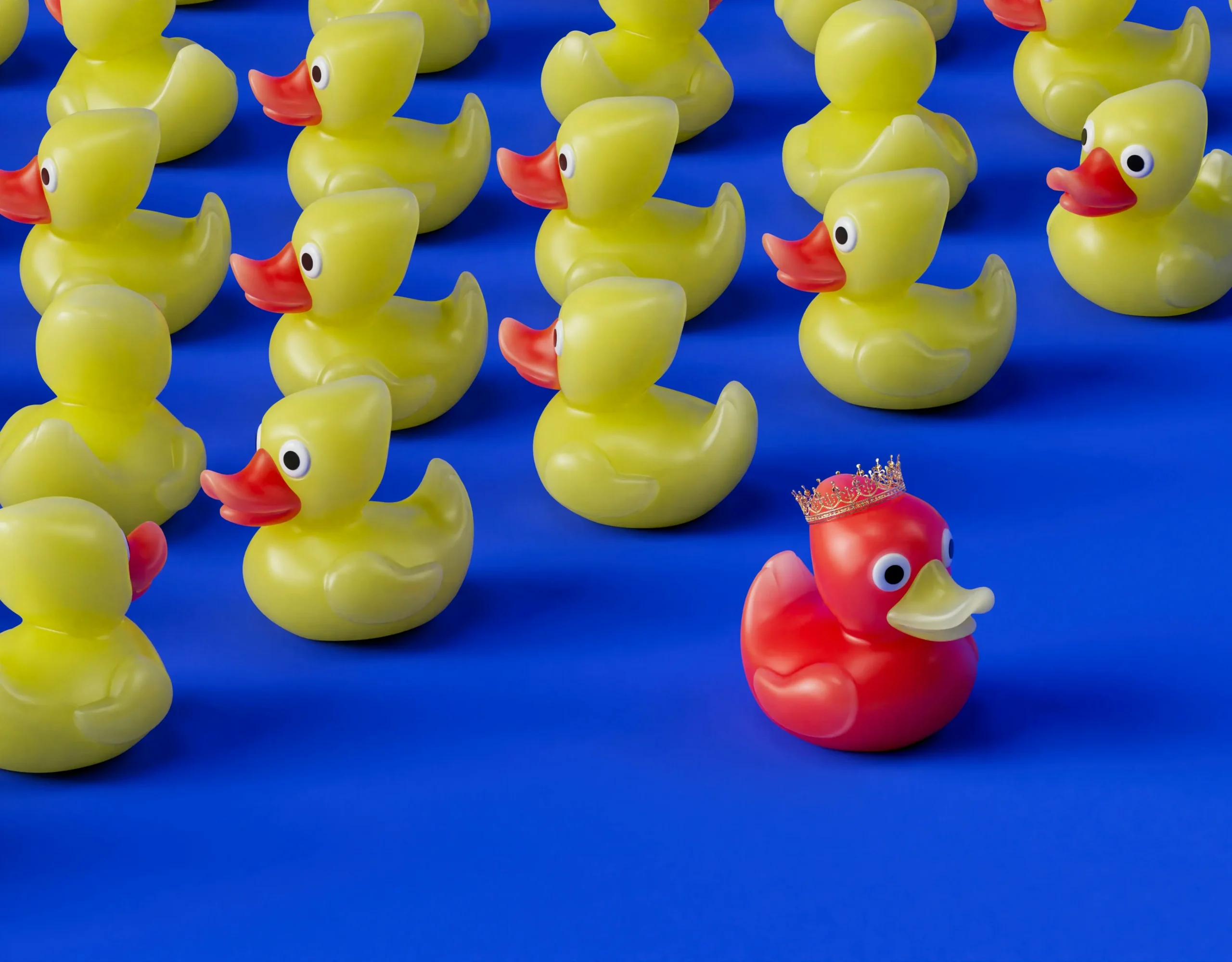
Why Most Fundraising Duck Orders Fail: The Hidden Risks
Pre-production samples are your only insurance against a $50K mistake.
The buyer approved a $50K order based on a hand-painted prototype. Mass production used a different PVC batch and a worn pad-printing plate. Ducks arrived with blurry logos and bleeding colors. School fundraiser materials were already printed with the duck image — the mismatch was a PR disaster.
Underestimating Supplier Vetting
Most buyers spend more time choosing the shade of yellow for their duck than vetting the factory. They rely on a single Alibaba listing or a forwarded brochure. A proper supplier vetting includes checking BSCI audits, CPSIA/EN71 certifications, and asking for a customer reference in the fundraising space. If the supplier cannot produce a third-party inspection report from the past six months, you are gambling with your budget.
The Sample vs. Production Gap
A hand-crafted sample looks different from a mass-produced one. The mold cavity wears after 10,000 cycles, painting fixtures shift, and PVC color drifts between batches. To close this gap, you must insist on a pre-production sample taken from the actual production tooling using the same PVC batch and print method. Reputable manufacturers like Lzengo produce pre-production samples from the production line, not from a separate lab. This single step eliminates 80% of quality surprises.
Communication Failures That Derail Orders
Three things must be confirmed in writing before production starts: mold specifications (what is the exact shape and wall thickness?), printing method (pad printing for solid 2–3 color logos, UV printing for full-color graphics), and lead time milestones (how many days for mold making, sampling, bulk production, and shipping?). Without these written agreements, the factory optimizes for speed, not your specifications.
The Pre-Production Sample Mandate
Never skip the pre-production sample. Approve it against your artwork file under natural daylight. Check color alignment against your Pantone reference. Measure the duck dimensions with calipers. Only after this signed approval should the factory start bulk production. Industry standard acceptable quality level (AQL) is 2.5% — meaning up to 2.5% defect rate is contractually acceptable. But that defect rate applies to the final lot, not the sample. Insist on a zero-defect sample before you give the go-ahead.

Real Cost Breakdown of Custom Rubber Ducks for Nonprofits
The biggest surprise?
Most nonprofits focus on the per-duck price and forget the other three cost buckets: mold, packaging, and shipping. A $0.80 duck can land at $1.50 by the time it hits your door. That math matters when you’re buying 2,000 units to sell at $5 each.
Where the Money Goes
- Mold fee: $200–$500 one-time. If you want a custom shape (a tiger for your school mascot), that’s the entry ticket. Stock shapes skip this.
- Per‑unit cost: Ranges from $0.50 to $1.50 for basic pad printing. Drops as volume climbs. At 10,000 units you’re near the $0.50 floor; at 1,000 MOQ you’re closer to $1.00–$1.50.
- Packaging: Polybag adds $0.05. Custom hang tag or header card jumps to $0.30. Schools routinely skip this line item and then scramble to bag 2,000 ducks by hand.
- Shipping: FOB pricing leaves you paying freight, customs, and last‑mile. DDP bundles it all into one cost but usually includes a margin. Compare both before you commit.
The 2,000‑Unit Scenario
Take a real example: 2,000 ducks with a two‑color logo pad printed on a stock shape. Mold fee $300 amortized, per‑unit $0.90, polybag and header $0.20, FOB shipping $0.30 per duck. Total lands around $1.70 each, or $3,400. If you instead pick UV printing for full‑color art, that per‑unit jumps to $1.30, pushing total to $3,800. The same 2,000 ducks retail at $8–$10 each at a fundraiser, so your margin is still healthy — but only if you didn’t forget the packaging.
That hidden packaging cost is where most nonprofits bleed margin. A $0.30 add‑on seems small, but on 2,000 units it’s $600 — equivalent to 120 extra ducks you could have sold. Always ask your supplier for a full landed cost breakdown including packaging and FOB or DDP terms. It’s the difference between a 4× ROI and a 2× one.
| Cost Component | 1,000 Units | 10,000 Units | One-Time Fee | Key Insight |
|---|---|---|---|---|
| Mold Fee (One-Time) | N/A | N/A | $200 – $500 | Amortized cost per unit drops with larger orders. |
| Per-Unit Printing (Pad/UV) | $0.50 – $1.50 | $0.30 – $0.80 | None | Pad printing cheaper but limited to 2–3 colors; UV for full color costs more. |
| Packaging (Polybag or Hang Tag) | $0.05 – $0.30 | $0.04 – $0.25 | None (if stock packaging) | Custom packaging adds 20–30% to unit cost if not planned upfront. |
| Shipping (FOB China or DDP) | $0.20 – $0.50 | $0.15 – $0.40 | None | DDP includes duties; FOB requires customs clearance and local freight. |
| Total Landed Cost per Unit | $1.00 – $2.00 | $0.70 – $1.20 | Mold fee amortized | Fundraiser retail price: $5–$10, yielding 3x–5x ROI. |

Custom Rubber Ducks vs. Other Fundraising Items: Which Generates More Revenue?
ROI of rubber ducks beats typical fundraiser items by 2x.
You’ve run the bake sales, the candle drives, the coupon books. They work, but the math is mediocre. A custom rubber duck lets you break that cycle. Here’s the hard comparison: the average retail price for a branded duck in a school or club fundraiser sits between $5 and $10. Your landed cost per unit, including mold amortization and basic packaging, runs about $1.00 to $1.50 for a 2,000-unit order. That gives you a gross margin around 80%.
Compare that to a chocolate bar fundraiser: you pay $0.75 per bar, sell for $1.50, net margin 50%. Or a t-shirt: wholesale around $5, sell for $10, margin 50% before you account for size exchanges and unsold inventory. Rubber ducks have none of those headaches. No perishability, no size/fit issues, no expiration dates. You order once, sell every one, and the only leftover is the memory of a good campaign.
The Collectible Factor That Drives Price
A rubber duck’s shelf appeal is different from any other fundraiser item. People collect them. They line them up on desks, bathtubs, and bookshelves. That collectibility allows you to price higher than the cost suggests. Small local suppliers like Lzengo deliver over 500,000 ducks monthly to global brands — they know how to make a product that feels worth $10 even though it costs a fraction to produce. When your logo sits on a duck that becomes part of someone’s collection, your brand gets daily exposure.
No Hidden Logistic Traps
Candy melts in heat. T-shirts require size runs and returns. Wristbands stretch and break. Rubber ducks shrug off all of that. They store indefinitely, survive shipping in polybags without damage, and arrive the same way every time. The biggest hidden cost you might miss is packaging — polybags or hang tags can add 20–30% to unit cost if not planned upfront. But a smart supplier will flag that in your quote. Plan for it, and your margin stays intact.
Social Media Multiplier
People take photos of rubber ducks. They post them to Instagram, TikTok, and Facebook. A well-designed duck with your school mascot or club logo becomes a shareable moment. That organic buzz is something a candy bar or a candle can’t generate. Each sale becomes a micro-advertisement. The ROI doesn’t stop at the cash register — it extends into impressions and brand recall.
- Typical fundraiser items: Candy bars, candles, bracelets. ROI per unit: 1.5x–2x. Perishable, size-dependent, low shelf appeal.
- Custom rubber ducks: ROI per unit: 3x–5x. Non-perishable, no size issues, high collectibility, built-in social sharing.
The math favors ducks. But only if you source correctly. A 2,000-unit order from a certified factory — one that offers Pantone color matching and phthalate-free PVC — keeps your cost per unit under $1.50 including mold fees. That $1.50 duck sells for $8 on average. Run the numbers: $16,000 revenue on $3,000 cost. Your profit funds the new playground or the club trip. Chocolate bars can’t compete.
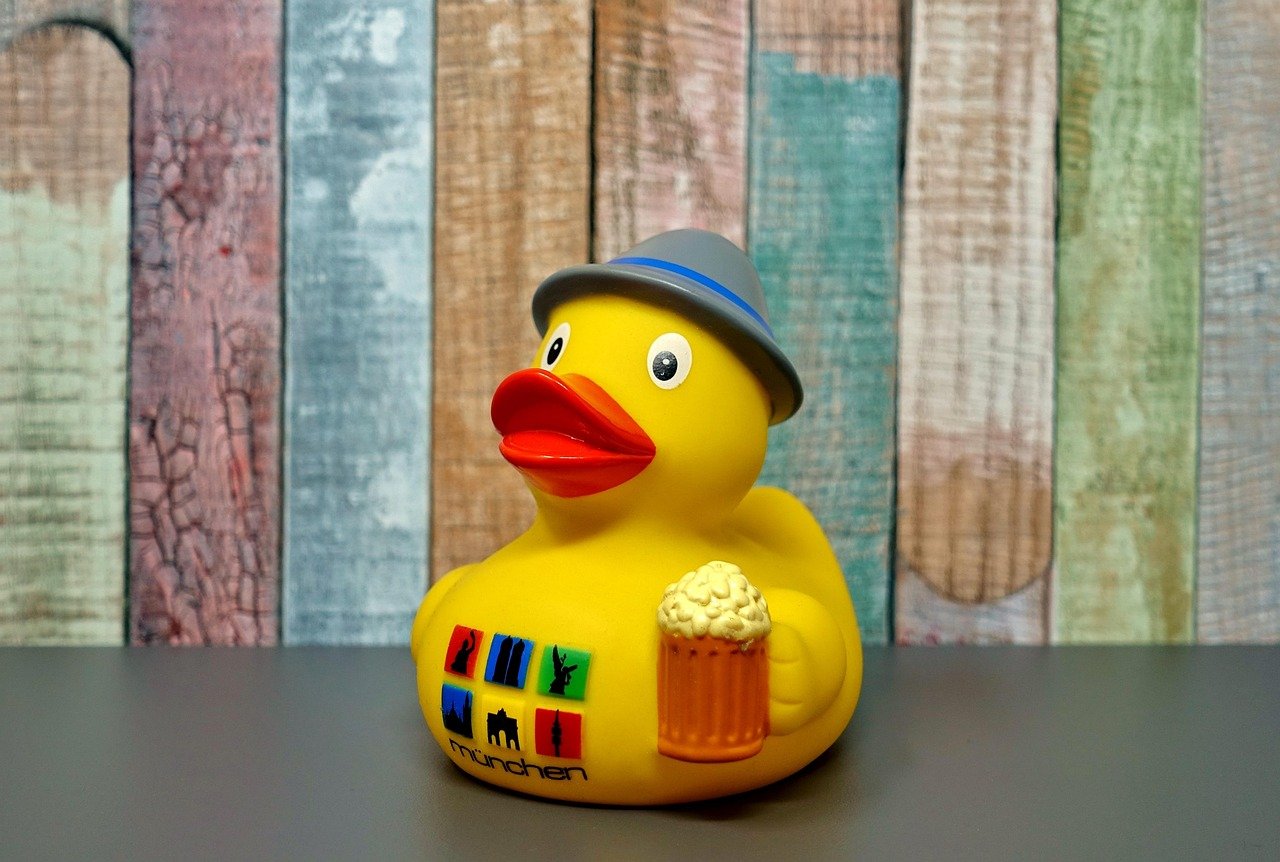
How to Source Custom Rubber Ducks for Your School or Club Without Getting Scammed
A supplier without verifiable certifications isn’t a supplier—it’s a gamble.
I’ve seen a school raise $12,000 in pre-orders for custom rubber ducks, only to have the shipment arrive the day after the event. The supplier had no written timeline, the sample looked fine, but the bulk production ran three weeks late. Here’s how you avoid that nightmare.
Three Certifications That Separate Legit Factories from Fly-by-Night Shops
- BSCI or Sedex (social compliance): This proves the factory follows ethical labor practices. If they don’t have it, you’re assuming liability for child labor or unsafe working conditions. I walked away from a supplier in Guangdong last year because the facilities had no fire exits and the manager couldn’t produce a BSCI number.
- CPSIA (U.S.) or EN71 (EU) (material safety): These are non-negotiable if your ducks are heading to kids. CPSIA requires third-party lab testing for lead content and phthalates. The reputable factories will share the test report upfront—no excuses. If they call it a ‘standard’ without a certificate number, run.
- ISO 9001 (quality management): This cert means they have documented QC procedures, not just one guy checking ducks by eye. A factory with ISO 9001 will have a traceable process for material inspection, in-process checks, and final AQL sampling. Without it, defect rates can spike past 10%.
- Revision policy: Get it in writing: how many artwork revisions are included (typically 2 to 3), the cost for extras, and who owns the mold after production.
- QC process and defect threshold: The industry standard is AQL 2.5, meaning they’ll accept up to 2.5% defective units. Demand a pre-shipment inspection report from a third-party agency like SGS or Bureau Veritas—not the factory’s own QC staff.
- Written timeline with milestones: Ask for specific dates: mold completion, sample approval, bulk production start, packing, and vessel departure. Suppliers who dodge specific dates are usually the ones who ghost you on week four.
The Sample Is a Contract, Not a Decoration
A pre-production sample is your only real assurance that the factory understands your artwork, Pantone match, and quality tolerance. I’ve handled orders where the sample looked perfect but the bulk run used a different PVC batch—color shift was obvious, but the supplier claimed it was within ‘normal variation.’.
You need a written approval document that the factory signed off on. And never pay for the full order before seeing that sample. The good suppliers will make you a pre-production sample within 7 days of mold approval and charge a refundable fee of $50 to $200.
Paper Trail Wins Every Time
Red Flags That Save You $50K
If a supplier can’t provide a U.S. contact or a local agent who speaks English and can visit the factory, you’re flying blind. Buyers have wired $15,000 to an account in Shenzhen only to find the ‘factory’ was a broker with no production line.
Also, if they push you toward full payment before shipping, that’s a major warning. Legitimate manufacturers accept 30% deposit, 70% before shipment, with the option of a third-party inspection triggering the final payment. Anything else and you lose all leverage when the container lands with mismatched colors or missing parts.
The benchmark you need on your next call: ask the supplier, ‘What is your standard AQL, and can you share the contact of your last three school or nonprofit clients?’ If they hesitate on either, you already have your answer.
Conclusion
Run this quick checklist with your supplier before you commit. Did they provide a pre-production sample for your sign-off? Did they quote FOB pricing separately from the mold fee? What is their accepted quality tolerance—do they guarantee an AQL of 2.5 or better?
- MOQ of 1,000 units for custom printing or molding.
- Unit price range $0.50–$1.50 for basic print.
- Lead time of 4–6 weeks after sample approval.
- Require CPSIA and EN71 compliance certifications.
Once you have those answers, compare them against our catalog of custom rubber ducks built for schools, clubs, and nonprofits. We handle Pantone matching, pad or UV printing, and packaging from the start. Browse the range of shapes and sizes at the link below to see what fits your next fundraiser or event.
Beyond schools and nonprofits, custom ducks also work as real estate open house giveaways that prospects keep and remember.
Frequently Asked Questions
How Can Rubber Ducks Be Customized for Branding Purposes?
You can customize rubber ducks with your logo, mascot, or full-color artwork using pad printing, screen printing, or custom mold shapes. For best results, provide a Pantone color reference and approve a. Always approve a mockup to ensure color and logo accuracy.
What is the Minimum Order Quantity for Custom Rubber Ducks?
Our minimum order quantity for fully custom rubber ducks is 1,000 units. This threshold ensures professional mold quality and cost efficiency compared to smaller runs from resellers. For smaller quantities, consider stock designs with custom packaging.
How Long Does It Take to Produce Custom Rubber Ducks?
Sample production takes 7 days, and bulk production typically takes 4 to 6 weeks from sample approval. We offer a 12-hour mockup to speed up the design phase. Plan your order timeline with the sample approval as the critical milestone.
Are Custom Rubber Ducks Safe for Children?
Yes, our custom rubber ducks are made from phthalate-free PVC and comply with CPSIA and ASTM safety standards. Always request a material safety data sheet before ordering if you distribute to children. Request a material safety data sheet for independent verification.
Can I Get a Sample Before Placing a Bulk Order?
Yes, we provide pre-production samples within 7 days for approval before mass production. This sample is made from the actual production mold so you can verify color, size, and material feel. Always approve a physical sample before committing to the full run.