Gradients need a process chosen before the artwork is drawn, because pad printing holds spots rather than fades. The route decides how smooth the blend can be, and what it costs in plates and passes.
In short: pad printing lays down solid spot colours, so a true gradient needs an airbrush or spray step with a mask and often a seal. The method, not the artwork, decides whether the fade is possible.
Which methods are used?
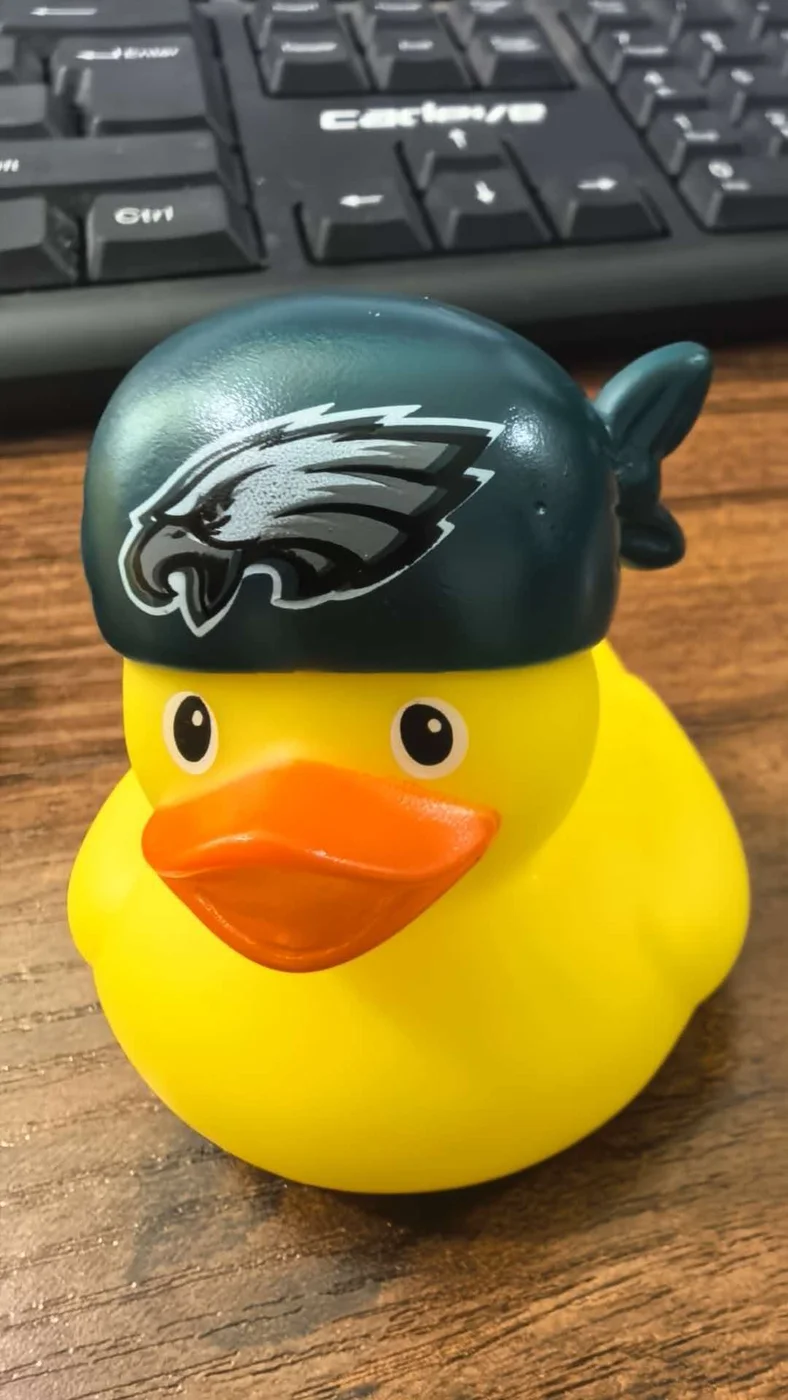
Pad printing is the workhorse. A design is transferred from a plate through a silicone pad onto the curved body. It handles spot colours, small logos and fine detail, and each colour needs its own plate and pass.
Airbrush or spray produces a smooth fade or a soft blend. It is closer to painting than printing, and it is used for gradients, cheeks or a two-tone body. It is less precise for small text.
In-mould colour is not a print at all: the body is moulded in the colour, and the print adds the detail. A gradient body is usually a moulded base with an airbrushed blend.
What are the limits?
- Colour count. Each pad-print colour is a plate and a pass; four colours is a lot for a small logo.
- Fade smoothness. A pad print cannot produce a true gradient; an airbrush can.
- Registration. Multiple colours must line up on a curved surface; fine detail is harder than on a flat label.
- Durability. A pad print sits on the surface and can wear at the high points; an airbrush can be sealed but adds a step.
What changes with the colour count?
A one-colour pad print is the simplest. Each extra colour adds a plate and a pass. A gradient adds an airbrush step, often a mask and a sealing coat, which is a different production structure. At the 1,000-piece minimum (LZENGO order policy, 2026), a simple print is the straightforward route; a gradient is a premium decision.

What should a buyer approve?
A physical sample, in the final colours, viewed in daylight. Check the registration, the edge of the print, the fade and the wear points. A screen proof will not show how the pad behaves on the curve.
Final Note
A gradient is a premium finish because it adds steps, and the approval has to happen on a physical duck in daylight. I would settle the colour count and the seal before the artwork is finalised, because those two choices shape everything the printer can promise. The screen proof is the least useful document in a gradient order.
What should a buyer decide about a gradient duck?
- Is the fade the product, or a detail on one side?
- How many spot colours does the design really need?
- Does the gradient need a sealing coat?
- Will the artwork be approved on a duck or on a screen?
- Which areas wear hardest, and what is acceptable there?
Frequently Asked Questions
Can pad printing make a smooth gradient?
No. Pad printing lays down solid spot colours; a true fade needs an airbrush or a spray step. A design with a gradient is a different process and a different route, not a setting on the same machine. Plan the fade as a separate step.
How many colours can a duck print have?
There is no hard limit, but each colour adds a plate and a pass, and registration gets harder. For a small logo, one or two colours is the practical range. A complex multicolour design is a premium item. Approve the count on the sample.
Does a gradient print wear off?
An airbrushed gradient can wear at the high points unless it is sealed, and a seal adds a step. A pad print also wears at the edges over time. Test a sample and specify the wear expectation before the run.
Ready to check the artwork?
Send the artwork and the colour count. We reply with the method, the plates and the sample.
Figures are LZENGO print data for 2026 and move with artwork, colours and quantity.