A duck test report proves one sample, one scope and one date, and the file has to say which. A certificate that cannot name the sample in front of you is a claim rather than a record.
Written from LZENGO's sample room and document work, plus public guidance from the CPSC and the European Commission.
In short: a safety claim is verified in five readings, and only one of them is about the duck itself. You read the laboratory that signed the report, the scope line that names what was tested, the sample details that tie the result to your order, the version and date that decide whether the report still applies, and the certificate that has to cite all of it.
A claim is a sentence with nothing behind it
An email that says a duck is tested takes one line to write and cannot be checked, because a sentence carries no laboratory, no sample number and no date. A report is a different kind of object. It carries the name and address of the laboratory, a report number, a description of the sample, the date of the test and a result for each clause. That difference is the whole subject of this page.
Buyers get caught because the two look alike from the outside. The duck on the desk matches the photograph, the colour is right and the body feels right, so the claim sounds confirmed. What has actually been confirmed is that the duck exists. Whether anyone tested it, and what exactly they tested, stays open until a document answers it.
Our own rule is blunt: a safety statement goes on a product page when a report sits behind it, and not before. That rule leaves out paragraphs we could have written. It also means every line we publish can survive a buyer asking for the file, which is the only version of the rule that matters.

Rung one: who signed it, and is the laboratory accepted
In the United States the chain is explicit. A children's product that is subject to a CPSC-enforced rule needs third-party testing and certification, and the certification is a written Children's Product Certificate based on results from a third-party laboratory the CPSC has accepted. Section 14 of the Consumer Product Safety Act, codified at 16 C.F.R. part 1110, puts that duty on the domestic manufacturer or importer, which is worth pausing on: the signature on the certificate belongs to the importer, not to the factory. The CPSC guidance on the Children's Product Certificate sets out the whole route, including the seven elements a certificate has to contain.
The CPC and supporting test reports must be in English.
That single sentence is a useful filter. A file whose report pages are not in English is already outside the form the rule asks for, whatever the quality of the test behind it. It is also the fastest thing to check, and the one most often left until a customs broker asks for the document.
In the European Union the paper is different but the reading order does not change. The European Commission's toys page describes harmonised standards as the route by which toys placed on the EU market show that they meet the toy safety rules, and it treats the 2009 Toy Safety Directive as the base those rules rest on. A report written for one market is not automatically evidence in the other, so the market belongs in the brief before anyone orders a test.
The second check is the laboratory. A factory's own test sheet is not third-party testing, and a laboratory that is not accepted for the rule being claimed turns a real test into the wrong evidence. Take the name and the full address from the report and match them against the accepted list for the market you sell in, then check that the report number and the sample description on the cover are the same on every interior page.
Rung two: the scope line has to name the duck as sold
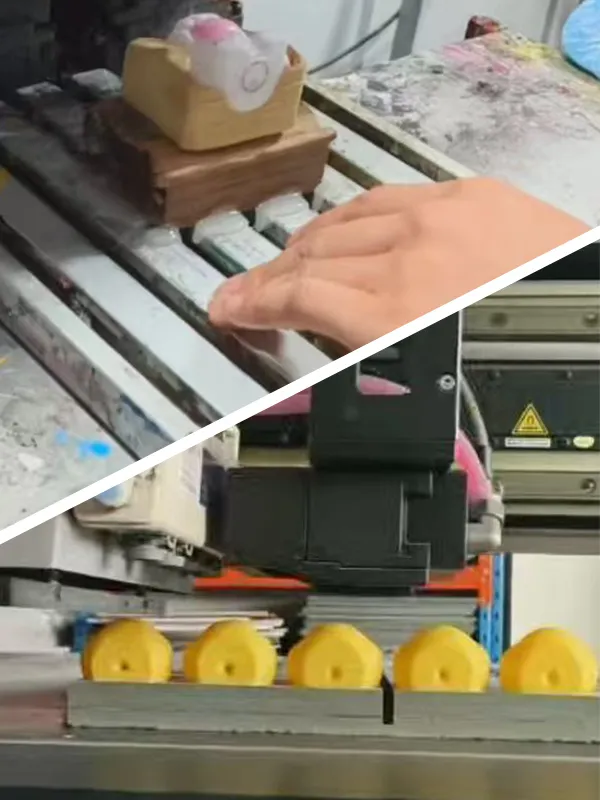
Scope is where claims fail quietly. A duck is not one thing. It has a body material, a print method, an accessory and a bag, and each of those can be sold in more than one version under the same product name. The print route alone changes what a report has to describe, which is why the print method comparison belongs in the same conversation. The report lists the clauses that were tested, and that list has to be read against the specification row by row rather than as a general blessing.
The CPSC's section notes show why the line matters so much. Material quality is a visual assessment, and the CPSC states that it is not subject to third-party testing. Labeling is the same story from the other direction: the labeling requirements, in the CPSC's words, do not require compliance assessment by a CPSC-accepted third-party laboratory. Both of those are part of the product as sold, and neither is covered by the report a buyer is holding. A report can be genuine and still not answer the two questions a retailer asks first.
Age is the other half of scope, and it is decided by marketing as much as by material. The CPSC defines a toy as an object designed, manufactured or marketed as a plaything for children under 14, while its testing and certification requirements apply to products intended primarily for children 12 or younger, as the CPSC toy safety guidance explains. A promotional duck sold to adults and a bath duck sold as a plaything are therefore different cases, and the brief should say which one is being bought before anyone looks for a report.
Rung three: the sample in the report is the SKU in the carton
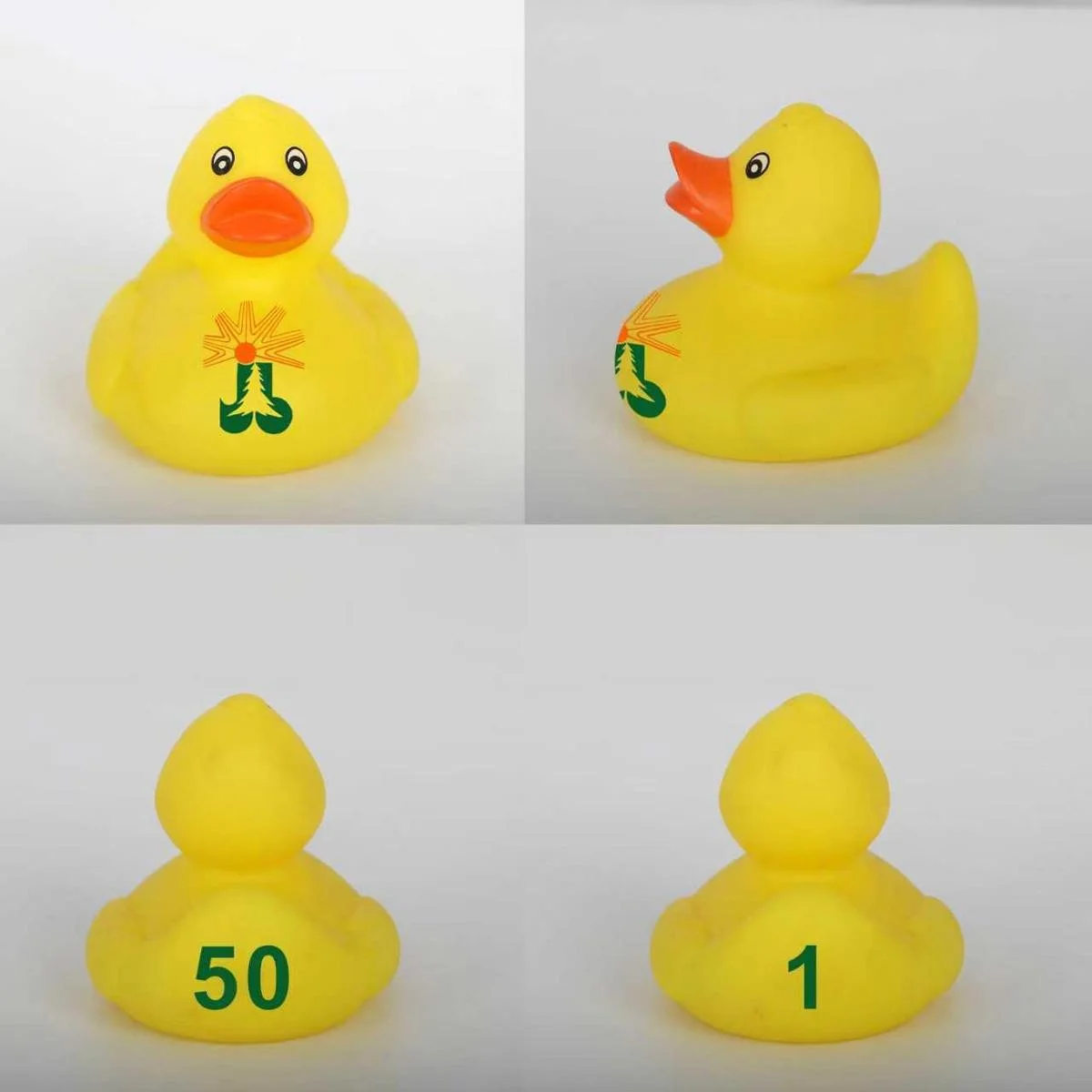
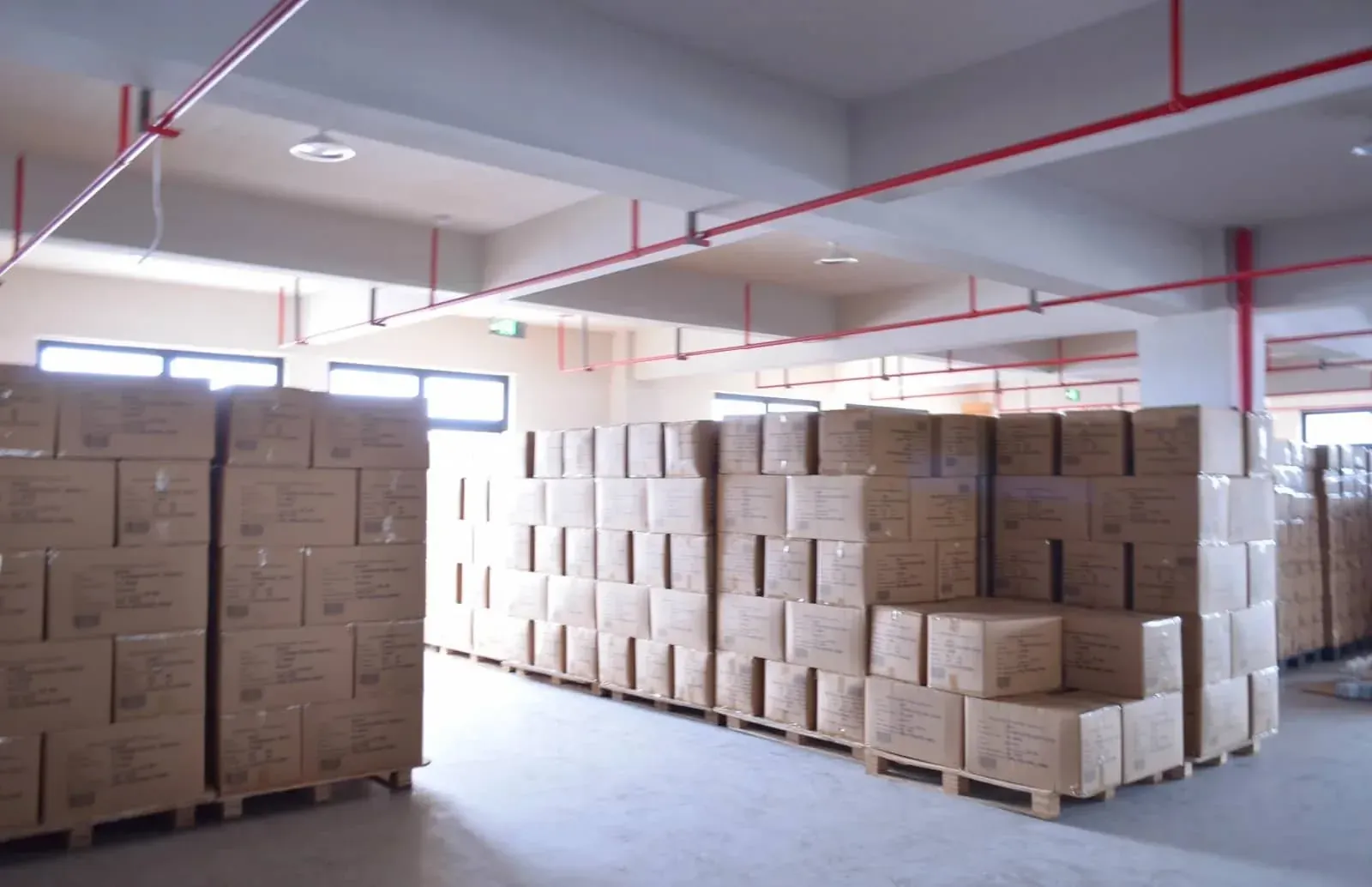
A report is written about a sample, not about a product family. The sample has a colour, a size, a material and a date of its own, and the duck in the carton has a different date entirely. The only bridge between them is the sample description and the photograph in the report, so those are the two fields worth reading closely.
Tooling enters the file here as well. A new tool, a repaired cavity or a change of material supplier produces a new sample, and a new sample is what any serious safety document has to describe. This is why a reorder is not automatically covered by the report that came with the first batch, even when the artwork has not moved a millimetre.
The practical check takes a few minutes. Put the report's sample description beside the specification row and the approved sample photograph, then compare size, colour, print, accessory and packaging one at a time. If a single field differs, either ask for the report that covers the difference or write the difference into a scope decision that both sides sign. Silence is the one answer that always comes back later.
Rung four: the date decides which version applies
This is the rung most buyers skip, and it is the one that turns a good file into a stale one. The CPSC identifies the latest Commission-accepted version of ASTM F963 that is mandatory, and the effective date of a version is tied to the date of manufacture rather than the date of the order or the date of the report. The dates are published, so there is no reason to guess:
| Manufactured after | ASTM F963 version that applies |
|---|---|
| 20 April 2024 | ASTM F963-23 |
| 28 February 2018 | ASTM F963-17 |
| 30 April 2017 | ASTM F963-16 |
| 12 June 2012 | ASTM F963-11 |
| 16 August 2009 | ASTM F963-08 |
A report citing an older version can be correct for a batch made before the cut-off and wrong for a batch made after it, and the same report can be held by two buyers who are both right for their own delivery. That is not a trick of the paperwork. It is what it means for a standard to have an effective date.
So the version number and the date and place of manufacture have to be read together, and both are fields the certificate already carries. On a reorder, ask for the manufacture date first and the version second. If the answer is a version older than the table above allows for that date, the discussion is over before it reaches the laboratory.
Rung five: the certificate cites the report, not the other way round
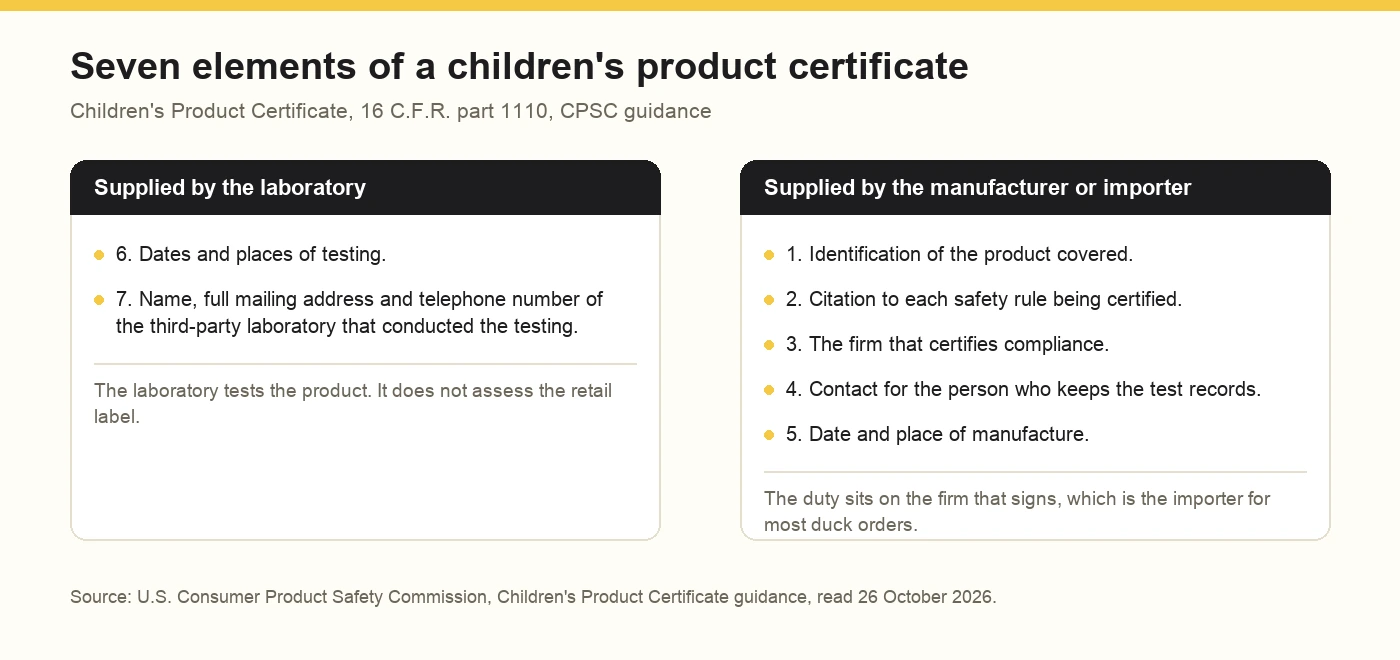
A certificate is a declaration, not a test. It should cite the report, the sample and the date, and it is a short document with seven required elements: identification of the product, a citation to each rule being certified, the firm that certifies, the contact who keeps the test records, the date and place of manufacture, the dates and places of testing, and the laboratory that conducted the testing.
The citation line for a duck is specific. It runs as 16 C.F.R. part 1250, Children's toys, followed by the ASTM F963 sections that apply to that product. A certificate that says compliant without naming the rule is not telling a buyer which requirements were assessed, and a buyer cannot repair that gap from their side of the table.
One more change is worth putting in the calendar. From 8 July 2026, importers of most regulated consumer products have to file certificates electronically with US Customs and Border Protection through a Partner Government Agency message set. A certificate that lives only as a PDF in an email thread becomes a filing problem as well as a document problem, and the fix has to happen before the container is booked.
Where a clean file still misses the retail pack
A file can pass every rung above and still fail at the shelf, because the pack is governed by rules the laboratory never touches. No report will ever cover the age mark, the warnings or the importer details printed on a box, which is why the label check has to be run by the buyer and the factory together rather than delegated to a test house.
Two rules catch people out. The producer's marking has to carry the name and address of the producer or distributor on the product or its packaging, and the tracking label requirement goes further, because it applies to the product and to its packaging. Packaging film is inside the standard in a way that surprises most first orders: plastic film must have an average thickness greater than 0.00150 in, or be perforated so that one percent of the surface is removed. A duck can pass every mechanical clause and still fail on the bag it is sold in.
The check itself is simple enough to do on one table. Put the report, the certificate and the retail pack side by side and compare four fields: product name and SKU, age grade, warnings and importer details. Chemical rules are the same shape of problem in California, where a separate warning file sits beside the toy report, as the Prop 65 guide sets out. Then print the label after the report is final, never before, so the pack cannot drift away from the document that supports it.
What a reorder does to a checked file
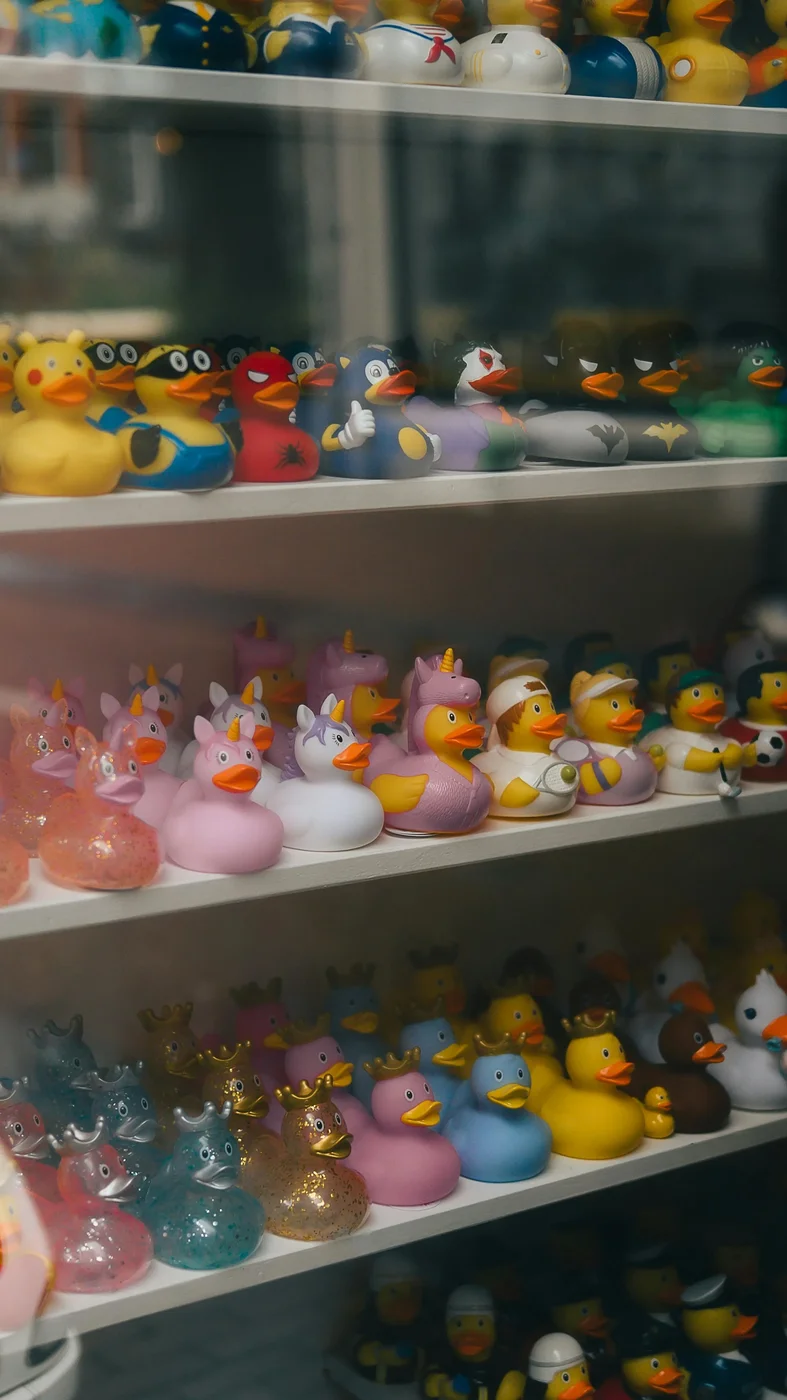
A checked file is checked for one batch. The next batch arrives with a new manufacture date, possibly a new colour, a new print route or a new accessory, and sometimes with a repaired cavity in the same tooling. None of those changes announce themselves in an email, which is why the file needs a change log rather than a memory.
The log can be four columns: date, product, change, and whether the change affects the report. Keep the approved sample and a dated photograph of it next to the specification sheet, so a future reader can see what the report was written about without opening a drawer of ducks. That photograph is also the fastest answer to a retailer asking why the second delivery looks different.
The importer holds the file and has to produce it on request, sometimes months after the cartons have gone. The factory supplies reports and declarations, but the readable copy has to live with the party who carries the obligation. On every reorder, re-read the file rather than the email chain, and ask the material, colour and print questions again.
The five questions I ask before I accept a claim
- Which laboratory signed the report, and is it accepted for the rule being claimed?
- Does the scope line name the material, the print and every accessory that is on the order?
- Does the sample description match the colour, the size and the packaging that is being shipped?
- Which version of ASTM F963 does the report cite, and does that version match the manufacture date?
- Does the certificate cite this report, this sample and this date?
The order is deliberate, because each answer narrows the next question. The laboratory decides whether the test counts at all. The scope decides whether the test touched the duck you are buying. The sample decides whether the result belongs to this order. The date decides whether the version is still the one the market requires. The certificate decides whether the whole chain can be handed to somebody else without an explanation.
An RFQ that carries those five fields comes back with a usable file, which is why our own supplier RFQ guide treats them as four lines of the brief rather than as afterthoughts. Neighbouring subjects deserve their own pages: chemical limits live in the phthalate and REACH guide, the marks themselves in the toy safety labels guide, and the gap between the approved sample and the delivered duck in sample bag versus production consistency.
Frequently Asked Questions
What is the difference between a test report and a certificate?
A test report is the laboratory's record of what was tested on a named sample, with a result for each clause. A certificate is a short declaration that cites that report and states which rules the product is certified against. A certificate without a report behind it is a statement, and a report without a certificate leaves the importer holding an unclaimed test.
Can a supplier reuse a report from a previous order?
Only when the sample in the report still describes the duck in the new order, including the colour, the print, the accessories and the packaging. A colour change or a new hat can move the product outside the tested sample, and the manufacture date decides which version of the standard the new batch has to meet. Ask for the change log beside the report.
Does a toy report cover the retail packaging?
No. Labeling requirements are not assessed by a third-party laboratory, so the age mark, warnings and importer details on the pack sit outside the report entirely. Packaging film has its own clause, with a minimum average thickness or a perforation rule, and that is tested as part of the product rather than as part of the label.
How long should a duck safety file be kept?
Keep it with the purchase order for at least as long as the product is on the market, then follow the buyer's own retention rule. The practical test is whether somebody who was not on the email thread could rebuild the file from it, because that is what happens when a retailer or a customs officer asks two years later.
Final Note
A safety claim is not a property of a duck. It is a property of a document, and a document can be read in about ten minutes once you know the five places to look. What takes longer is deciding, before the order, which version of the product the report has to describe.
That decision takes a minute at the brief stage and a season after the cartons are sealed. The five readings above are how to judge a duck that has never been seen, and the file that survives them is usually the one that also survives a reorder.
Key takeaways
- A claim is a sentence with nothing behind it: a report carries a laboratory, a report number, a sample description and a date, and a sentence carries none of them.
- Rung one: who signed it, and is the laboratory accepted: the certificate duty sits on the importer, and both the certificate and the test reports have to be in English.
- Rung two: the scope line has to name the duck as sold: material quality and labeling sit outside third-party testing, and marketing decides whether the duck is a toy.
- Rung four: the date decides which version applies: ASTM F963-23 applies to toys manufactured after 20 April 2024, and the manufacture date is the field that settles it.
- Rung five: the certificate cites the report, not the other way round: seven required elements, one citation line, and electronic filing with customs from 8 July 2026.
- Where a clean file still misses the retail pack: the label, the producer marking and the packaging film are rules a test report never covers.