The mode is settled before the artwork on a duck order, because sea and air measure different things and the choice changes the carton, the quantity that makes sense and the week the goods exist. A duck order is a volume problem before it is a weight problem, and air is bought in kilos and in dates. Deciding the mode late means redesigning the pack around a decision that has already been taken.
Sea and air bill different things, so the mode is decided before the carton rather than after it.
In short: sea bills the space a shipment occupies, and air bills the greater of the scale weight and the volume converted to weight, plus the calendar. A rubber duck is mostly air, so a duck order reaches a volume limit long before a weight limit, which is why sea suits a full seasonal run and air suits a small quantity that cannot miss a date. Neither mode is faster by nature: each one fixes a different constraint, and the carton has to be built for the one you chose.
The two modes bill different things
A forwarder's two figures are not two versions of one service. The sea figure is built from cubic metres or from containers, the air figure from chargeable kilos and from the flight it is booked onto. That difference reaches backwards into the product: the same duck in a tighter carton takes a smaller sea line, while the same duck in a heavier gift box takes a larger air line, and a buyer comparing the two figures without the carton on the table is comparing two different parcels.
The table below is the one to use to keep the two modes separate. Read it as a map of what each mode can and cannot fix, rather than as a list of advantages, because every row on it constrains the plan somewhere the duck cannot help.
| Question | Sea | Air |
|---|---|---|
| What is billed | the volume the cartons occupy, or the container itself | the greater of scale weight and volumetric weight |
| When the clock starts | when the container is loaded onto the vessel | when the flight is booked and the cargo is handed over |
| What the carton must survive | weeks in a container, stacking load, humidity and terminal handling | hours of handling, pressure and temperature change |
| What it suits | a full seasonal or programme run that can be planned months out | a small quantity, a late decision, or a date that has moved |
| What it cannot fix | a date that has already gone | a cube that is already too large to be worth flying |
A duck order is a volume problem before it is a weight problem
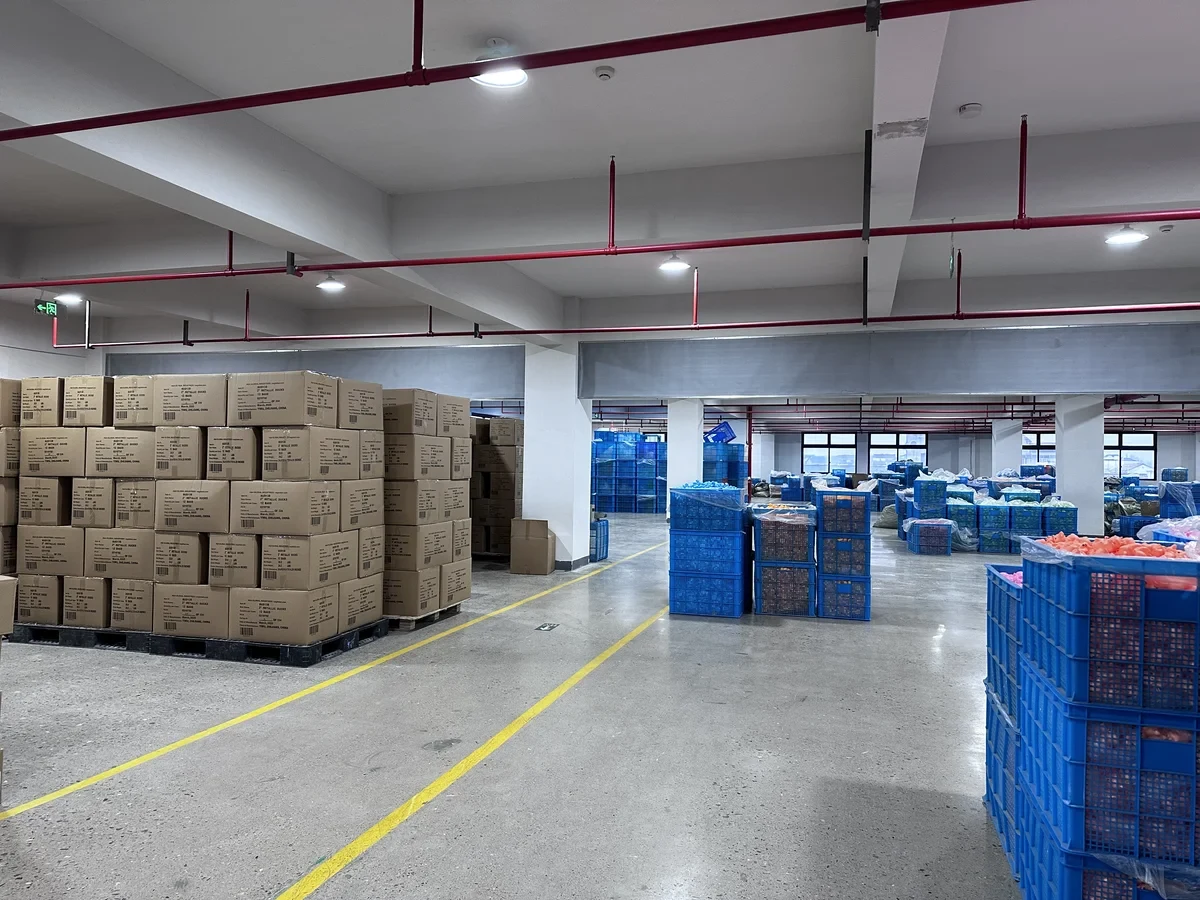
A duck is mostly air, and a carton of ducks is mostly air too. That single property decides the mode more often than any negotiation does: the shipment reaches the space limit long before it reaches the weight limit, so the number that matters is the cube the cartons occupy rather than the kilos on a scale. Increase every dimension of a carton by half and it takes about 3.4 times the space; double every dimension and it takes eight times. The ducks inside the box did not get heavier in the same proportion, which is why the freight line moves when the packaging changes and barely moves when the duck count does.
This is the arithmetic that decides the mode. A buyer with a full programme of one size can fill a container to its volume limit and the sea figure spreads across a large number of ducks. A buyer with four styles in small quantities cannot fill anything: the same total volume is split across four cartons that do not nest, so the shipment pays for the air around each style. The size chart gives the dimensions this arithmetic starts from, and the carton specification note carries the box, weight and pallet lines that turn the dimensions into a cube.
The carton has to survive the mode you chose
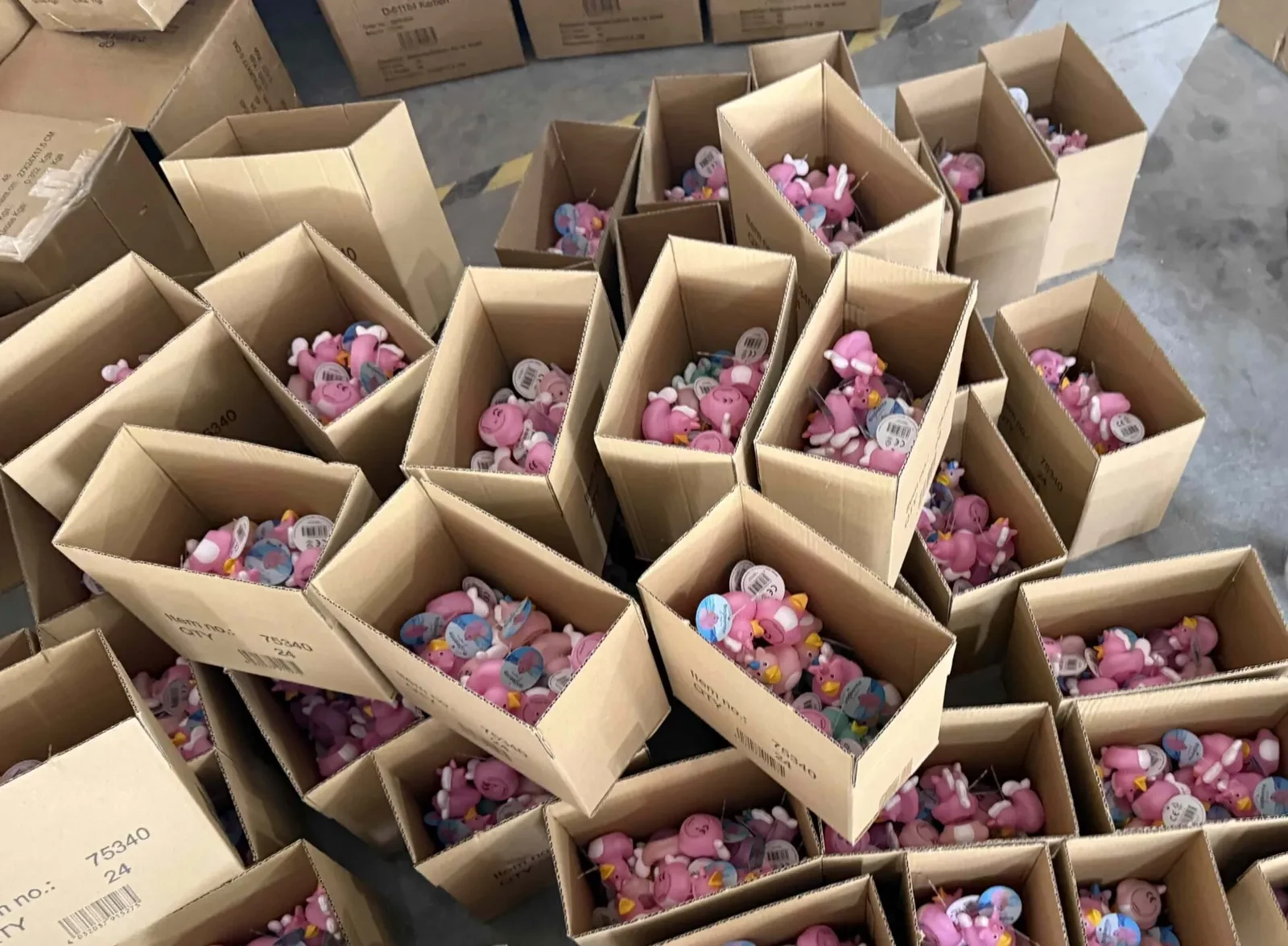
The carton is not a passive container on either mode, but the two modes attack it differently. At sea the cartons sit in a steel box for weeks, stacked under load, moving through humidity cycles that soften board and leave condensation on anything that runs cold; the bottom layer of a tall stack carries the whole stack. By air the box is handled more, faster and by more hands, and the duck flies through a pressure and temperature change that a sea container never sees. A carton that survives one route is not automatically a carton that survives the other.
Transit performance can be tested rather than assumed. The International Safe Transit Association publishes test procedures for packaged products, and the useful idea in them is that the box and its contents are one test specimen: the carton is not certified on its own, and the duck is not tested outside the pack it will travel in. A pack change therefore resets the test, which is the engineering reason a packaging decision belongs before the mode decision rather than after it. Our own packaging notes cover the retail formats that sit inside the same box.
Air is bought in kilos and in dates
Air does not remove the cube, it converts it. Volume is turned into weight at a fixed divisor, 6,000 cubic centimetres per kilogram in the common convention, so one cubic metre of carton counts as about 167 kg, and the carrier charges whichever is higher, the scale weight or that converted figure. A light duck in a bulky carton therefore pays for space even when it flies, exactly as it would at sea, and a small heavy item can pay for its scale weight instead. The mode changes the unit, not the physics.
What air genuinely buys is the calendar. A flight is measured in days and hours, a sailing in weeks, so air is the mode a buyer chooses when the date is already fixed and the quantity is still small: a restock that protects a listing, a top-up before an event, a sample set that has to be in a hand. The production schedule note shows where that date pressure is created, and it is usually earlier in the process than the freight desk expects. The large size specification explains why a big duck is the hardest thing to justify on a flight.
The sea leg is billed on space and limited by a document
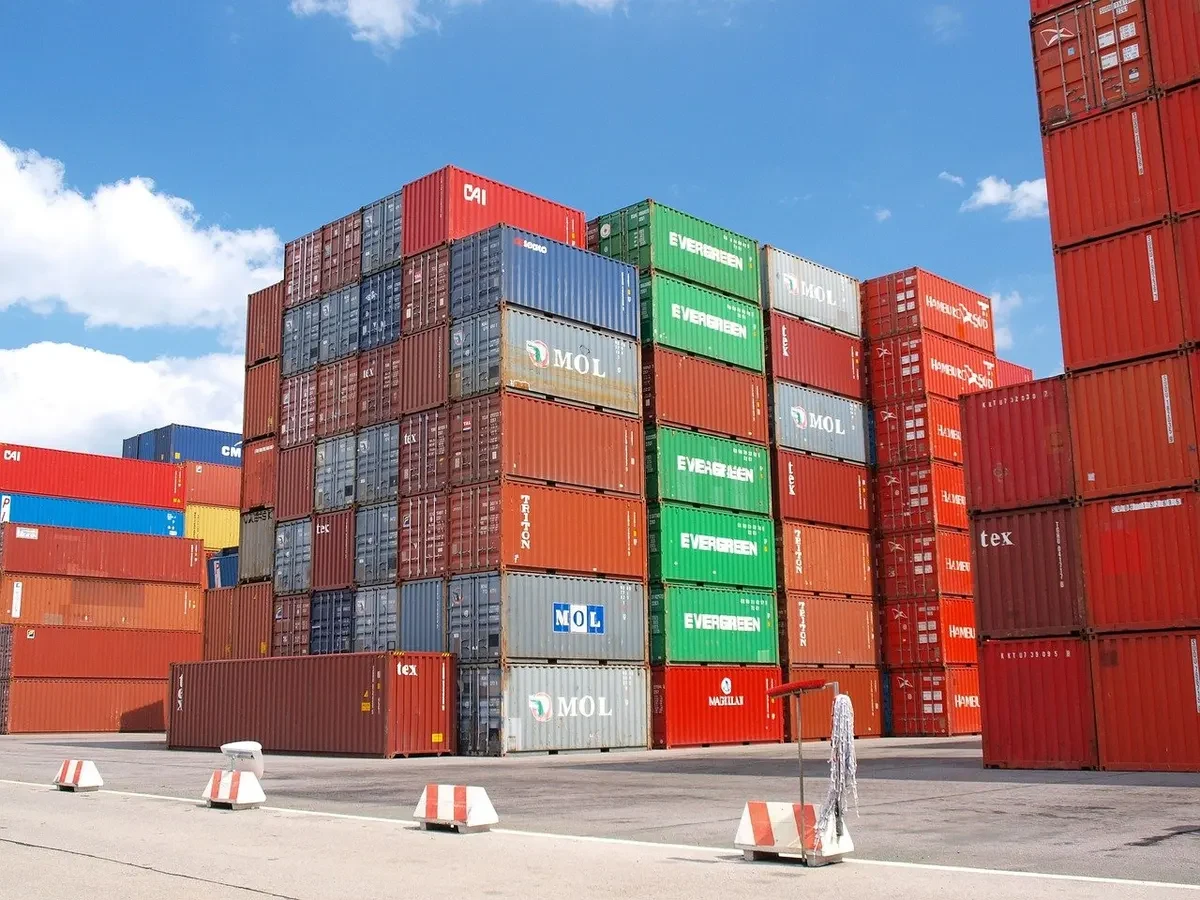
Sea has two shapes and they behave differently. A full container is billed as a container, whether it is packed to the roof or half empty, so the discipline is to fill it and to plan the programme around the fill. A shared container is billed on the space taken, by cubic metre or by tonne, whichever is greater, so the discipline there is density: the tighter the cartons stack, the fewer cubic metres the same ducks occupy. Neither shape is the lower number by nature, and a half-filled container is the single most expensive way to move a duck by sea.
There is a second limit that is not about space. A carrier's liability for cargo is capped by law, and the cap is low relative to what a duck programme is worth: under the United States carriage of goods by sea regime, 46 U.S.C. § 30701 limits the carrier to 500 US dollars per package unless the nature and value of the goods are declared and inserted in the document. That is why cargo insurance is a line of its own rather than a courtesy from the forwarder, and why the insured value should be built from what the goods are worth at destination rather than from the amount on the goods invoice. The customs note covers the other document that travels with the same container.
The split shipment is a stock decision
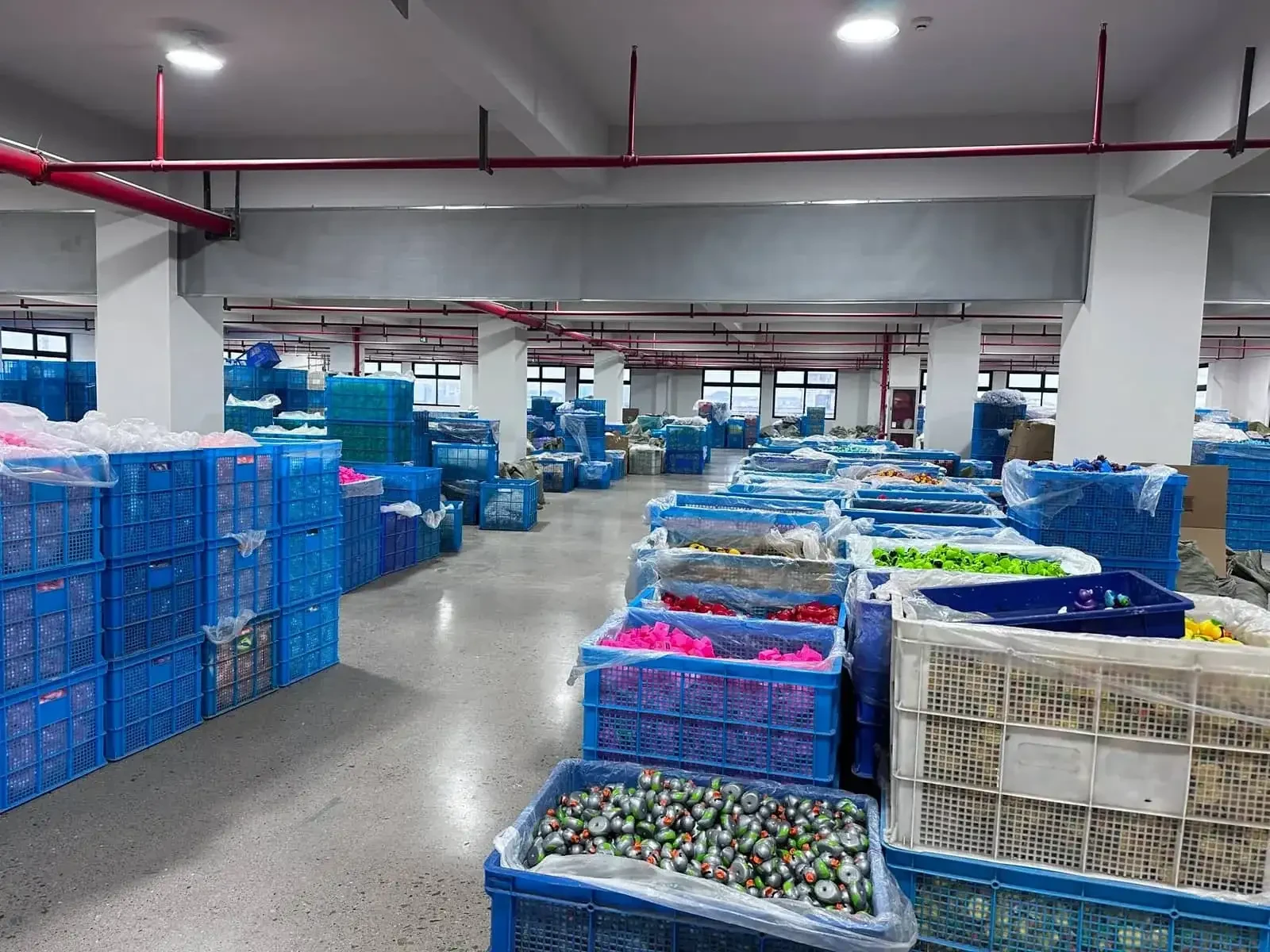
The split is usually discussed as a freight question and is really a stock question. Two shipments mean two entries, two final legs and two insurance declarations, so a split almost never saves money on the freight side. What it buys is time: the first arrival protects a date or a listing, and the second fills the shelf behind it. If no shelf and no date are at stake, a split is work with no return.
Where it does pay is where the demand curve is unknown. A new style, a new channel or a seasonal range that has not run before can be launched on a smaller first arrival, with the balance following once the first weeks of sell-through are visible. That is a stock decision that uses the mode as its tool: air for the first arrival if the date is tight, sea for the balance. The wholesale buyer's specification treats the same choice from the channel side, and the retail packaging note matters because the pack of the first arrival is often different from the pack of the balance.
What goes on the freight sheet
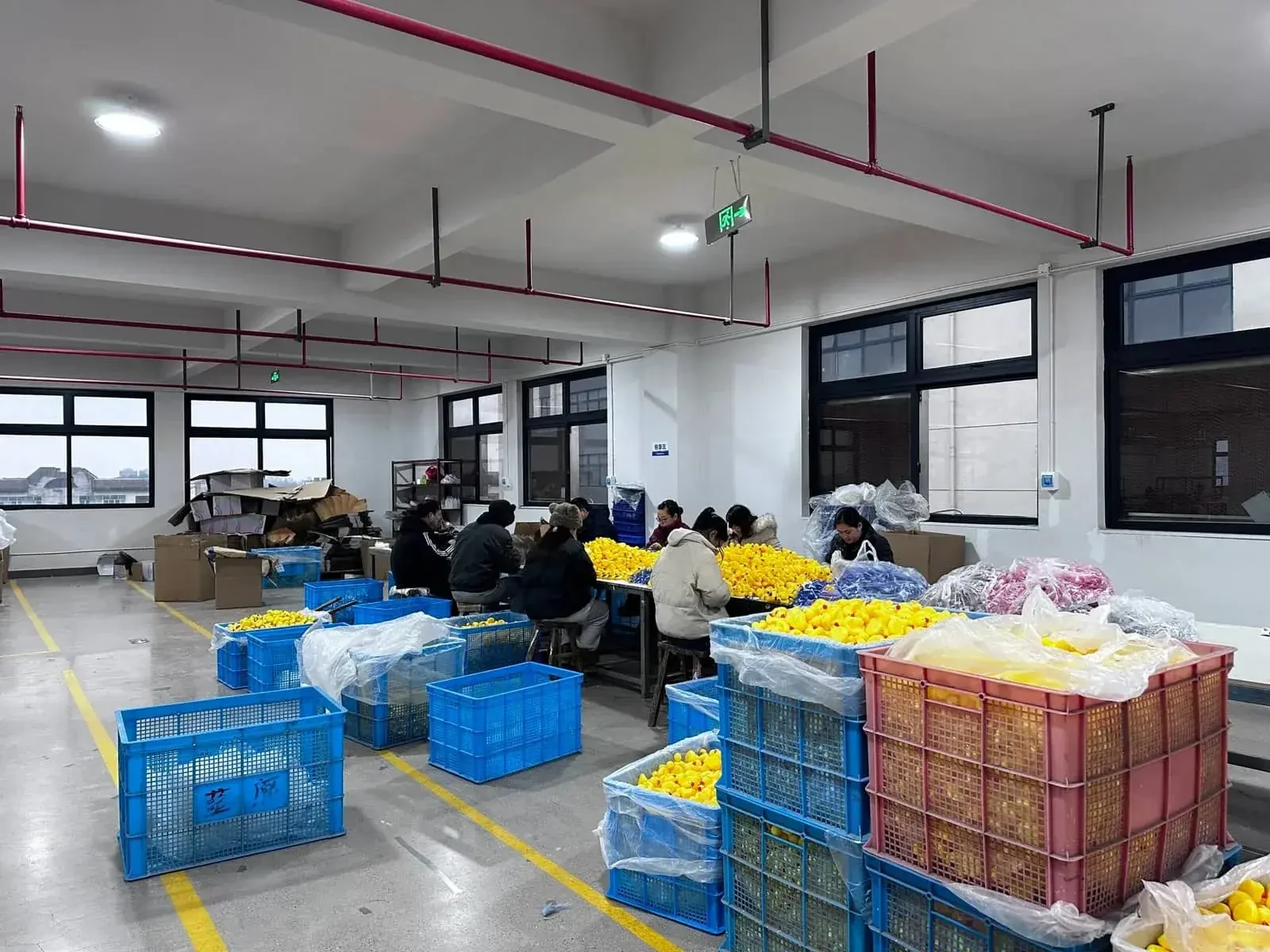
Both modes want the same sheet; only the columns change. It carries the outside carton dimensions and the inside dimensions, the count inside, the gross and net weight, the pallet pattern with cartons per layer and layers per pallet, the total cube of the shipment, and the destination with the delivery window that has to be met. From those lines a forwarder can build both figures, and the buyer can see which of the two is being moved by the pack rather than by the route.
The sheet is also how a buyer keeps control of the comparison. Two offers that were built from different carton assumptions are not comparable, and the most common version of that mistake is a sea figure built on a compressed carton against an air figure built on the retail box. Writing the carton once, at the top of the sheet, forces both figures onto the same parcel. The size chart supplies the dimensions, and the packaging note supplies the pack formats that change them.
What this page will not promise
It will not give a rate, a transit time or a date, because all three belong to a document a forwarder issues for a specific shipment on a specific week, and a number written here would be wrong before it was useful. It will not settle which mode is right for a buyer whose deadline, stock position and channel are unknown. It will not tell anyone that a carton is strong enough: transit performance is tested, and the test is done on the packed product rather than on a photograph of it.
What it will do is separate the questions. Sea bills space, air bills chargeable weight, both bill the calendar in their own way, and the carton is the object every one of those measurements is taken from. A buyer who settles the carton first can read both figures as answers to the same question instead of two answers to two different ones.
Four questions before a mode is booked
- What is the total cube of this shipment, and how many cartons does that cube come from?
- Which date cannot move, and how much of the order has to arrive on it?
- Is the quantity large enough to fill a container, or is it a shared-container shipment of several styles?
- What is the goods worth at destination, and does the insured value match that rather than the invoice?
Four answers, written on one sheet, are enough to make the mode a decision instead of a habit. A buyer rarely regrets settling them before the carton is final; a carton finalised first and a mode chosen afterwards is the same mistake in a different order.
Frequently Asked Questions
Can air ever come out below sea for a duck order?
For a full carton of ducks, rarely, because air charges the converted volume of a light cargo and sea charges the same volume once. For a small quantity it can, since sea charges by the cubic metre or the container and a shipment too small to fill either still pays a full line. The comparison is only meaningful when both figures are built from the same carton.
Why does a larger duck change the mode decision?
Because space grows faster than anything else when a duck is scaled up. Double every dimension and the duck takes eight times the room, so a big duck fills a container with far fewer units and quickly reaches a cube that air cannot justify. The mode follows the cube, which is why the size family is settled before the routing.
Does a split shipment save on freight?
Almost never on the freight itself: two arrivals mean two entries, two last legs and two insurance declarations. A split is worth doing when it protects a date or a listing, or when the first arrival is a test of a new style. If neither is at stake, the second shipment is work with nothing bought in return.
Who decides the carton, the factory or the forwarder?
The factory specifies the carton; the forwarder's rules constrain it. Pallet dimensions, stack height and the handling the mode imposes all narrow the choices, and the best cartons come from a conversation where both are present before the box is drawn. A carton designed without the route in mind is the one that gets re-packed at a terminal.
Final Note
What older advice on sea versus air usually left out is that the two modes are not competing services suspended above the product. They measure the same carton in different units, and the carton is the thing the buyer still controls when the routing question arrives. Settle the box, then read the two figures as two answers to the same question.
My own order is carton, cube, date, then mode. It asks nothing to run in that order, and it prevents the most common reversal in a duck programme, which is a mode chosen for a carton that did not exist yet. A buyer who settles the box first usually finds the mode was decided earlier than anyone thought.
Key takeaways
- The two modes bill different things: A forwarder's two figures are not two versions of one service.
- A duck order is a volume problem before it is a weight problem: A duck is mostly air, and a carton of ducks is mostly air too.
- The carton has to survive the mode you chose: The carton is not a passive container on either mode, but the two modes attack it differently.
- Air is bought in kilos and in dates: Air does not remove the cube, it converts it.
- The sea leg is billed on space and limited by a document: Sea has two shapes and they behave differently.
- The split shipment is a stock decision: The split is usually discussed as a freight question and is really a stock question.
- What goes on the freight sheet: Both modes want the same sheet; only the columns change.
- Four questions before a mode is booked: The section on "four questions before a mode is booked" sets out the checks that answer it.