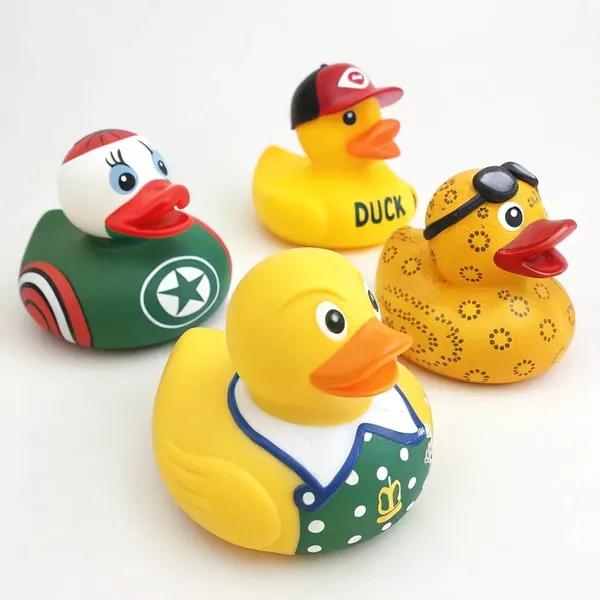
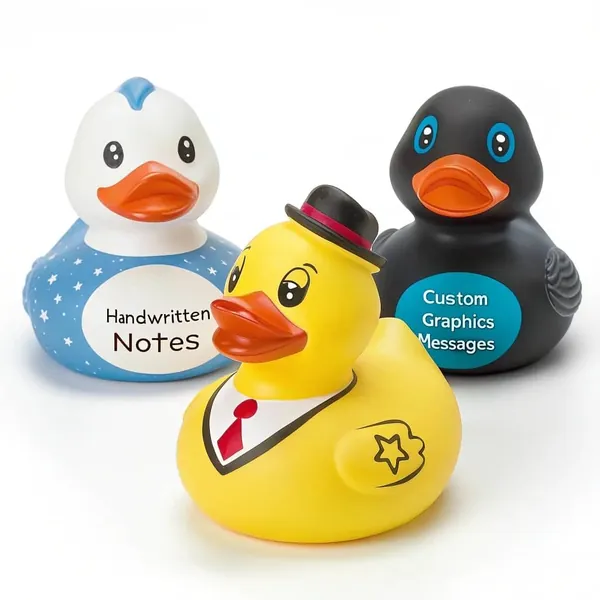
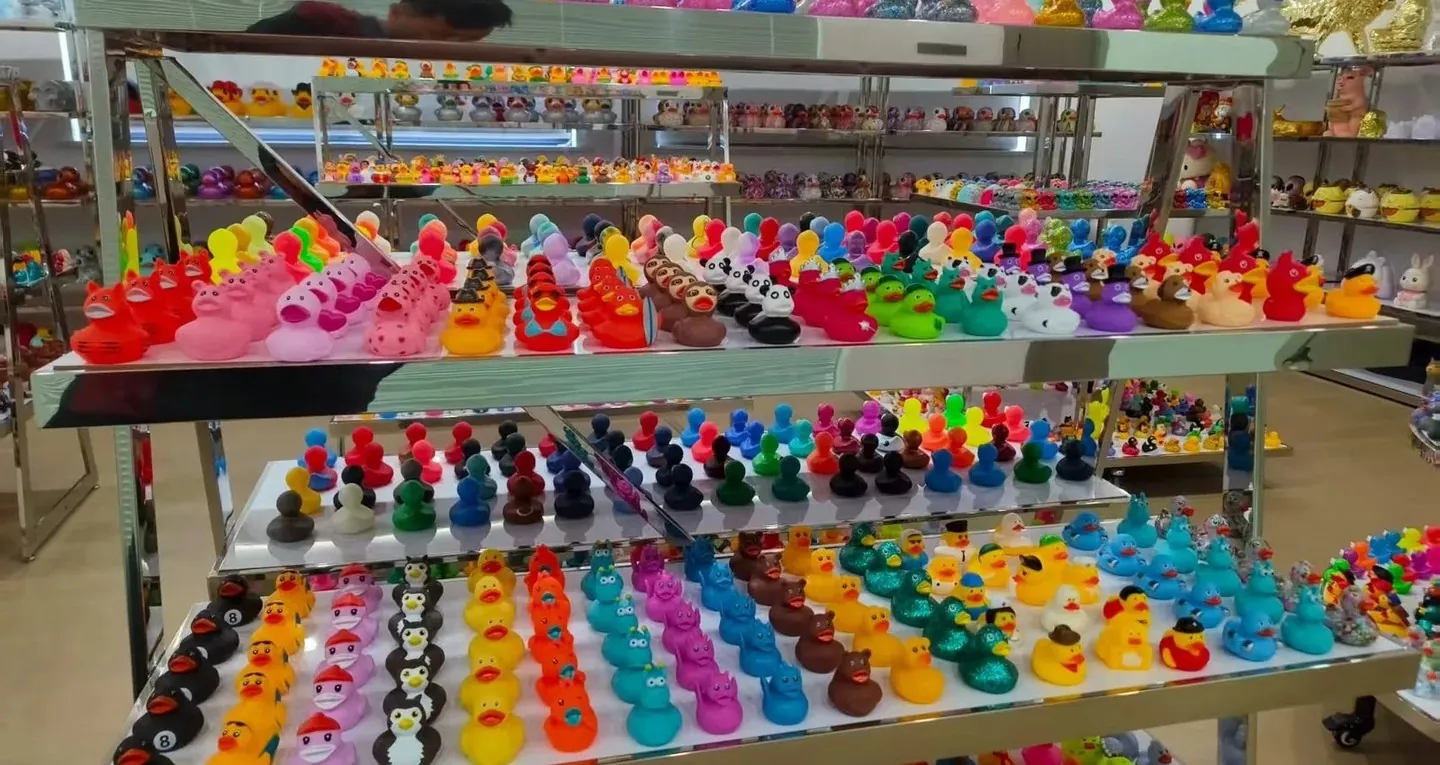
A gift shop duck range is planned on a shelf diagram rather than in a catalogue, because the shelf is the only document that tells the truth about how many styles a shop can actually carry. A list of twelve designs feels like a range and behaves like a warehouse problem. A grid of four styles that each cover a different gift occasion behaves like a line.
A note on building a duck range for gift shop shelves, with public toy safety guidance cited where a rule applies.
In short: Build the line as a grid with three axes, occasion, customer and size, then let the tooling decide how many axes you can afford to move how many axes you can afford to move. Styles that share a body are a range. Styles that each need their own tool are four separate products wearing one logo.
The shelf decides the line, not the catalogue
A gift shop buys in units of shelf. Every style in a range takes the same physical slot, and a slot that does not turn over is a slot that has stopped earning for the shop. That is why a first duck range should be designed to read as a set from a distance: four or five styles with a shared visual family are legible on a shelf in a way that twelve unrelated ducks are not.
The other thing the shelf decides is the reason to buy. A gift shop sells a duck because somebody needs a small gift for a specific occasion, not because they need a duck. So the range should be planned around occasions first, then around designs. A buyer who starts with designs and looks for occasions afterwards usually ends up with a line that is beautiful and impossible to merchandise.
A range is a grid, and the grid has three axes
The three axes that matter for a gift shop duck line are occasion, customer and size. Occasion gives the shop a reason to place the range near a till or a seasonal display. Customer gives the shop a reason to stock two versions of the same occasion. Size gives the shop a reason to offer the same design at two positions in the store, which is the least wasteful way to make a line look larger than it is.
| Axis | What it fixes | What adding it takes | Where it shows up |
|---|---|---|---|
| Occasion | The reason the shop stocks the style | One new design and one pack | Shelf grouping and season display |
| Customer | Who the duck is bought for | One variant in print or paint | Two facings, same body |
| Size | Where in the store the duck sits | A second tool, or a share of an existing one | Till point versus display shelf |
| Pack | How the line reads as a set | A printed card or box | Whether the range looks deliberate |
What every style in the line has to share
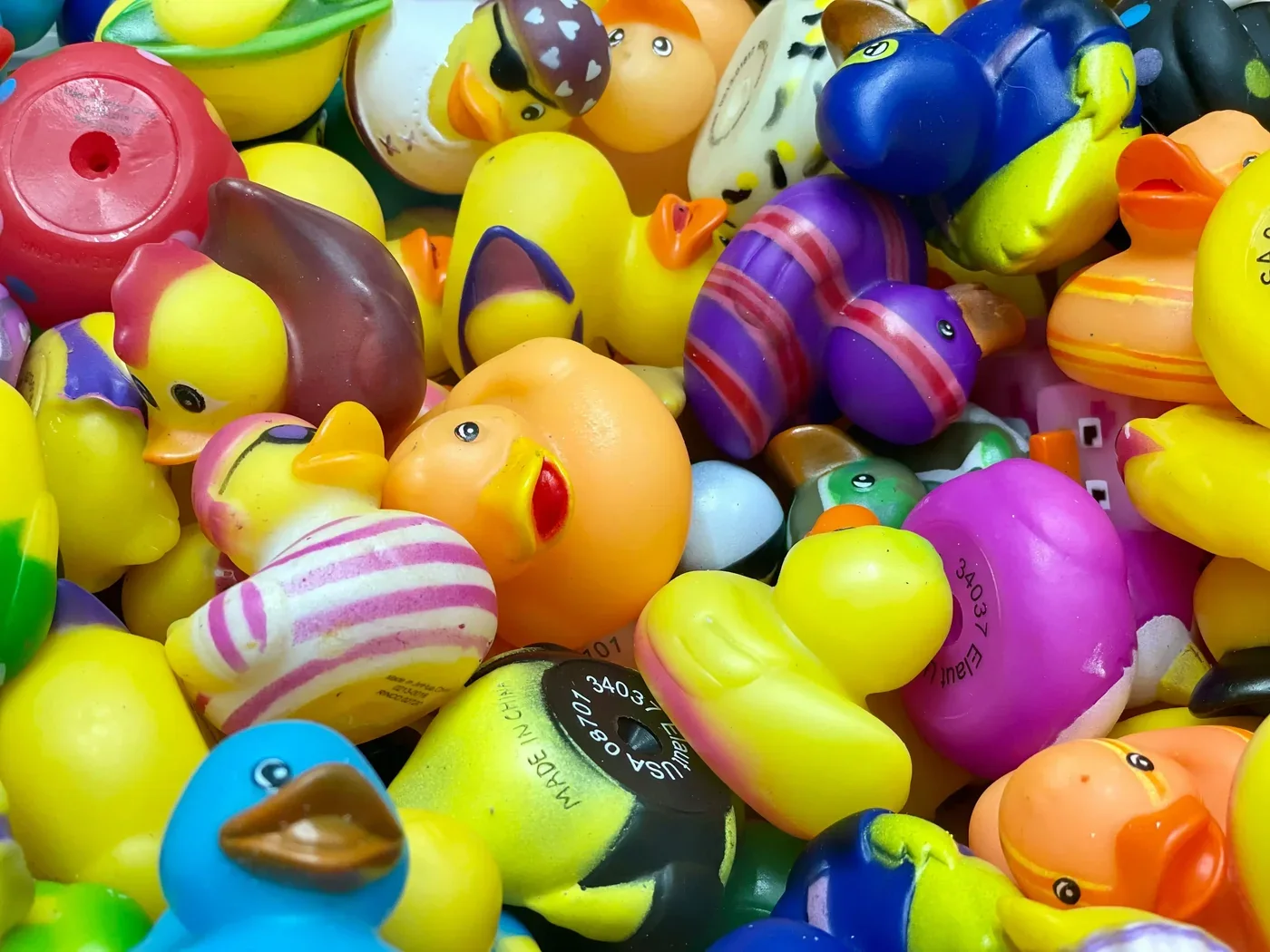
A range is held together by what does not change. The shared element can be the body, the base colour family, the card format, the print position or the size, but at least one of them has to be common across every style, or the shelf reads as a jumble. When a proposed line is reviewed, the first question is which element is doing that job, and the second is whether the buyer knows it is doing that job.
The body is the strongest shared element available, because it also carries the practical benefit: one tool can produce several styles, and the second style then only needs a colour, a print and a card, which is where the masterbatch route starts. A line built on one body is a line a buyer can extend later without a new tool. A line built on five bodies is five projects that happen to share a logo, and it should be planned as such rather than discovered later.
Where a new style is easy to add and where it is not
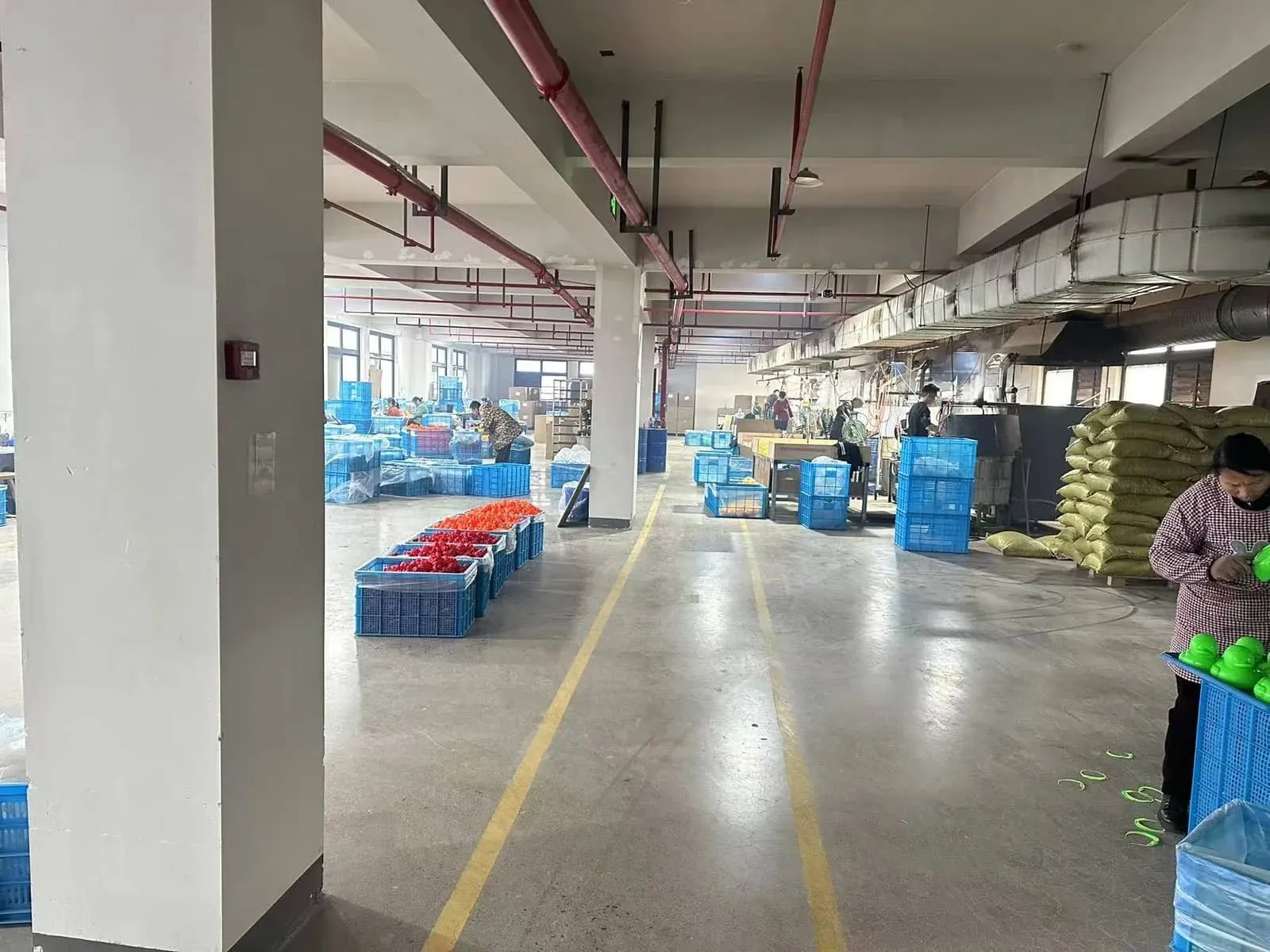
Adding a style to an existing line is easy when the change lives in a surface layer. A different print, a different paint scheme, a different card or a different bag all sit on top of a body that already exists, and none of them requires the tool to be touched. Those additions can be made late, in sequence, and one at a time, which is how most gift shop ranges actually grow.
Adding a style is slow when the change lives in the shape. A new body, a new head, a new base or a new accessory that has to be moulded is a new tool, and a new tool resets the approval chain. That is not a reason to avoid it. It is a reason to plan the shape work in one go and the surface work later, instead of alternating between the two and paying the approval overhead twice. The custom production sequence sets out why the tool gate closes the shape.
Whether the duck is a children's product
This question decides more of the range than any design choice, and gift shop owners are the buyers most likely to skip it. In the United States the CPSC toy safety guidance defines a toy as an object designed, manufactured or marketed as a plaything for children under fourteen, and marketing is part of the test. A duck sold as a collectible or a display piece and a duck sold as a bath toy can leave the same factory under different rules.
The practical consequence for a gift shop line is that the pack and the shelf talk have to agree with the product's intended use. A range that blends gift ducks and bath ducks under one label creates ambiguity that the buyer inherits. Decide per style, write it down, and keep the range's visual language separate from its intended use claim.

The pack is how the line behaves on a shelf
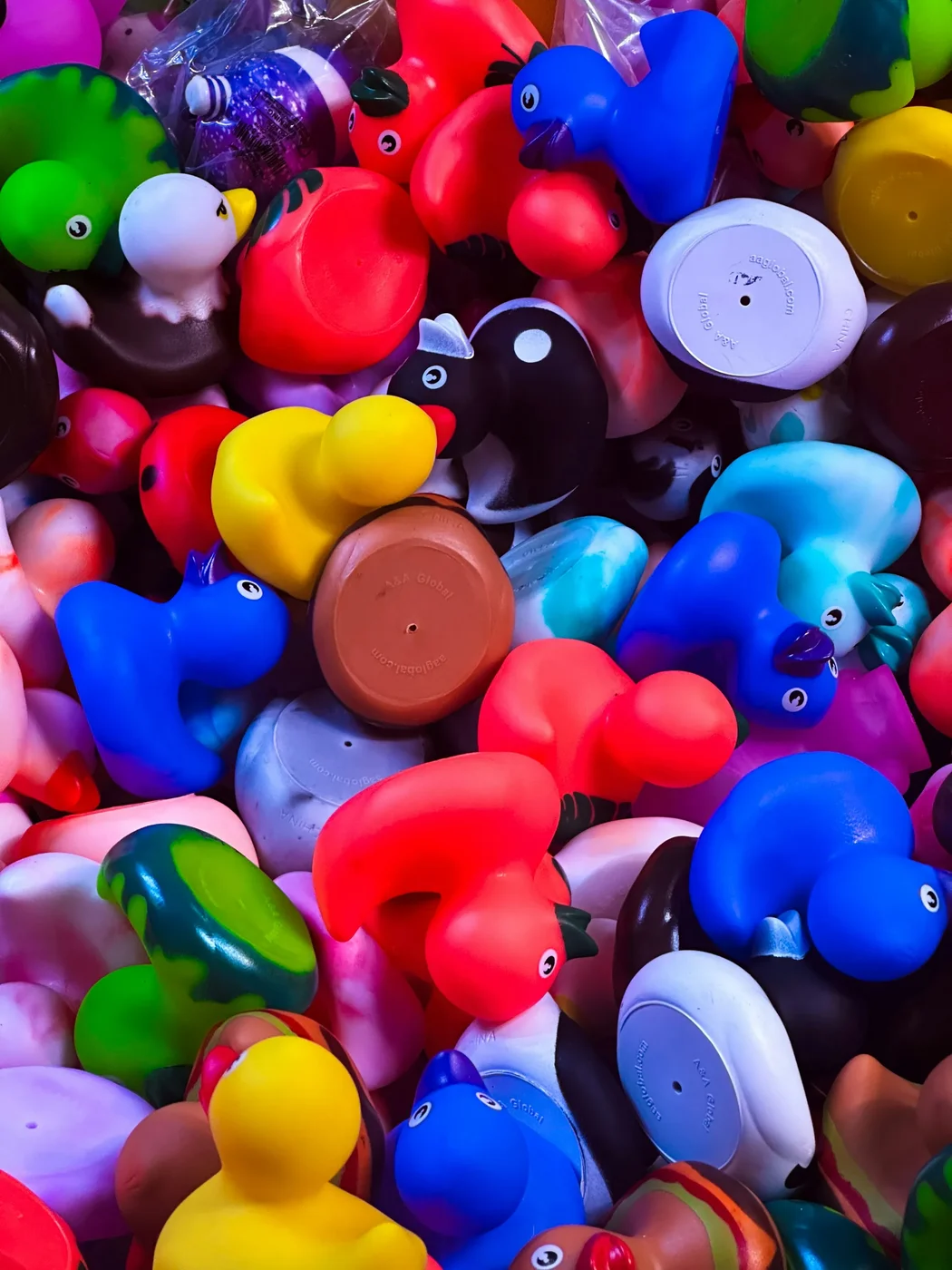
A duck range is a pack range as much as a duck range. The card, the bag, the box and the barcode are what make five styles read as a set and what let a shop reorder a single style without ordering the whole line. A range with a shared card format and a separate code per style is merchandiseable. A range with one code for the whole assortment is a box that a shop cannot reorder from.
The markings on that pack are also a legal surface, not only a design one, and the label guide maps where each one sits on a duck. The same CPSC guidance requires the producer or distributor to be named on the product or its packaging, and it treats the tracking label for children's products as a separate requirement. Both are decisions taken at the pack stage, and both are much easier to design into a printed card than to add to a finished range. The pack specification notes cover the carton side.
The first order tests the line, not the duck
A first order is not really a product test. It is a test of whether the range reads as a range when five styles are unpacked side by side on a shop floor, and whether the shop can reorder one style without disturbing the others. That is why a sensible first order covers the whole range in small numbers rather than one style in depth: the information a buyer needs is comparative, and depth does not deliver it.
The inspection side scales the same way. Checking one style in depth tells a buyer whether that style is right; checking every style against its own approved reference tells them whether the line is coherent. The method is the one described in the inspection routine, applied once per style rather than once per carton.
The reorder is where a line is won or lost
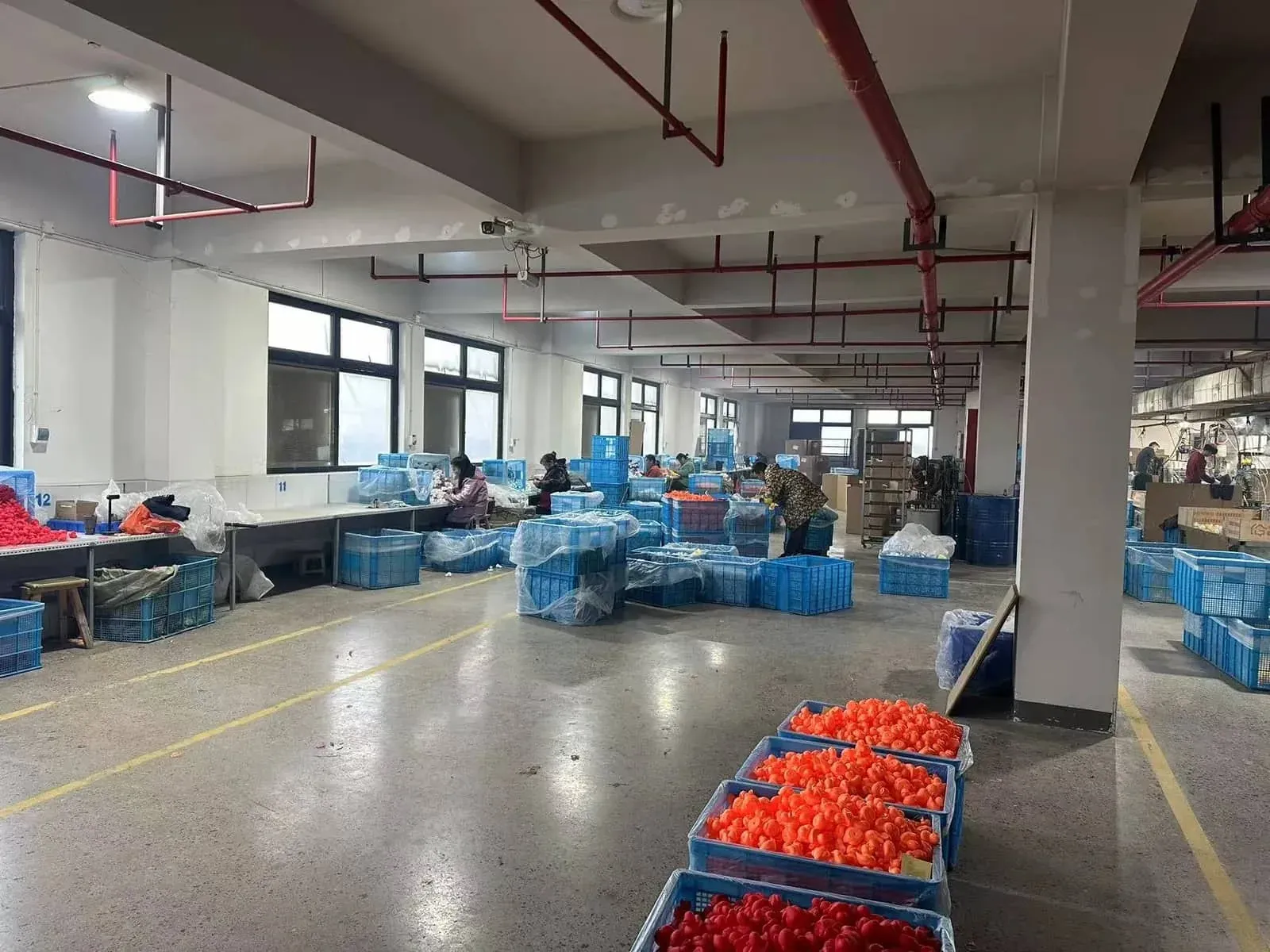
The second order is the one that tells a buyer whether the range worked. If shops reorder two styles out of five, the range is functioning as a range and has produced its own information about which styles carry it. If shops reorder nothing, the problem is usually not the ducks. It is the pack, the shelf position or the occasion the line was meant to serve.
Designing for the reorder means keeping the reorderable unit small. A style that can be reordered on its own, in its own pack, with its own code, keeps the shop's decision simple. A style that only exists as part of a mixed assortment forces the shop to buy the whole line again to get the one duck that sold, which is the fastest way to lose the account after a good first season.
Questions to settle before the line is ordered
- Does each style carry a different occasion, or is the range three versions of one gift?
- Is there one shared body across the range, or one tool per style?
- Can a shop reorder a single style without buying the assortment again?
- Is every style marked as a gift duck or as a bath toy, and does the pack agree?
- Does the card design read as a family at shelf distance?
A buyer who can answer those five questions has the range defined well enough to brief a factory. The answers also become the brief for the pack, because the card has to carry the same logic the shelf does, style by style, with one code per style.
Frequently Asked Questions
How many styles should a first gift shop range contain?
Few enough that a shop can display the whole range at once. If the shop has to rotate stock to show the range, the range is too large for that shop. The number is not fixed, and the test is simple: can the buyer photograph the entire line on one shelf and have it read as a set.
Should every style use the same body?
Ideally yes, for the first range. One body across several styles keeps the tooling to a single investment and makes a late addition a print or paint decision. Different bodies are worth it when the occasions genuinely need different shapes, not when the buyer wants the shelf to look busier.
Do gift shop ducks need to be labelled as toys?
That depends on how they are designed, manufactured and marketed. A duck presented as a collectible or a decorative gift is a different proposition from one presented as a bath toy for a child, and the labelling has to match the presentation. Deciding that per style, in writing, is what keeps a range coherent.
What is the most common mistake in a first range?
Building it from designs rather than occasions. A range of attractive ducks with no occasion behind them gives the shop nothing to display them against, and the shop's staff cannot explain to a customer why the shelf exists. Occasion first, then shape, then surface, is the order that survives contact with retail.
Final Note
A gift shop duck range is a small piece of retail architecture. It has a footprint, a reason to be there and a unit that can be reordered, and the ducks are the visible part of all three. Getting the grid right before the tool is cut is what makes the second season an extension instead of a restart, and it is the part of the work a buyer can actually control from the outside. The ducks will be what a customer picks up, but the grid is what decides how many of them a shop is willing to carry, and that decision is made long before a sample arrives on a table.
Key takeaways
- The shelf decides the line, not the catalogue: plan the range on a shelf diagram before any design work.
- A range is a grid, and the grid has three axes: occasion, customer and size.
- What every style in the line has to share: one common element is what makes a shelf read as a set.
- The reorder is where a line is won or lost: keep the reorderable unit small enough for one shop.