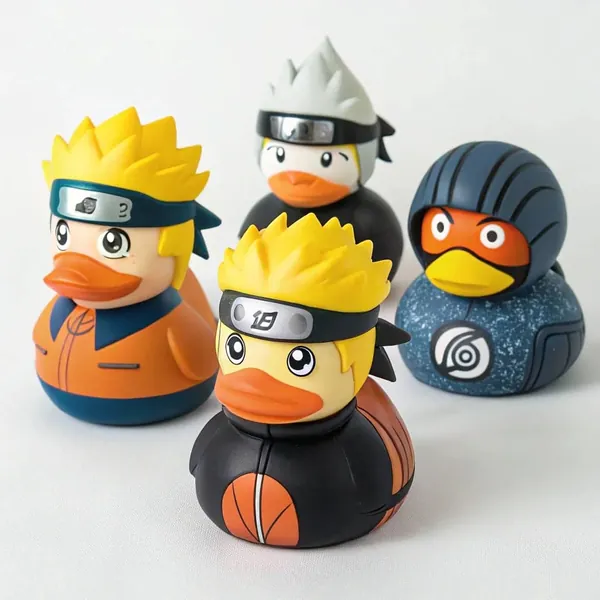
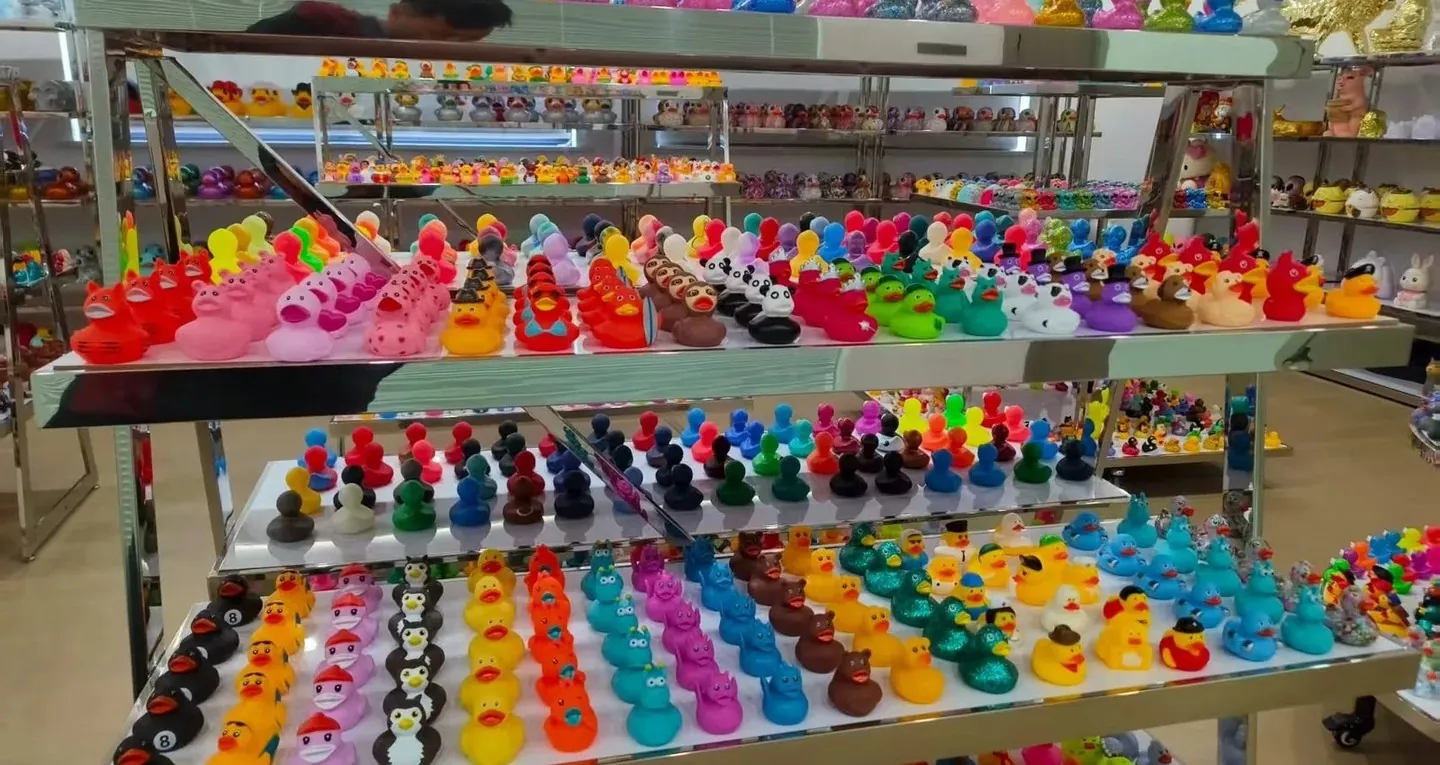
A character licence reads like a tolerance sheet, because both define what the finished object is allowed to become. A character duck is a three-dimensional copy of someone else's character rather than a logo moved onto a bath toy. The mould is the point where the shape freezes, and the approval has to cover the moulded duck rather than the artwork.
A character duck carries two rights, and the mould is where a drawing stops being editable.
That is why the question keeps arriving late. A buyer has the artwork, the reference board and a date, and the tool is the last line in the file. By then the shape has already been sketched, the sample has already been discussed in conversation, and the only person who has not confirmed the rights is the one who owns them.
In short: A licensed character duck needs three things confirmed before the tool is cut: the property and the rights that cover it, the territory, channel and quantity the licence allows, and an approval that covers the moulded duck rather than the flat artwork. A print on a stock body is a much smaller job than a new body that copies a character's shape, and the two should not be described with the same word.
A Character Duck Carries Two Rights
A character duck sits on at least two rights at once, and they usually belong to two different owners inside the same company. The character, its artwork and its expression are protected by copyright, and 17 U.S.C. § 106 gives the copyright owner the exclusive right to prepare derivative works based on that work. A three dimensional duck that copies the character is a derivative object of exactly that kind, whether the file is drawn by a designer or modelled from a reference image.
Before artwork, we separate two situations: your own logo and original design, which we can work from directly, and a third-party brand, film character or other protected property, which needs the rights settled first. For licensed work we ask what rights you hold and whether the scope actually covers rubber duck products, the countries you will sell in and the way the duck will be used; if the brand owner reviews the design, that approval happens before printing and production.
The name, the logo and the source of the goods sit under trademark, which is a separate right with its own scope. A licence for the artwork does not automatically cover the name, and a licence for the name does not cover the shape. The third layer is the shape itself, which is where the mould lives and where most of the work happens.
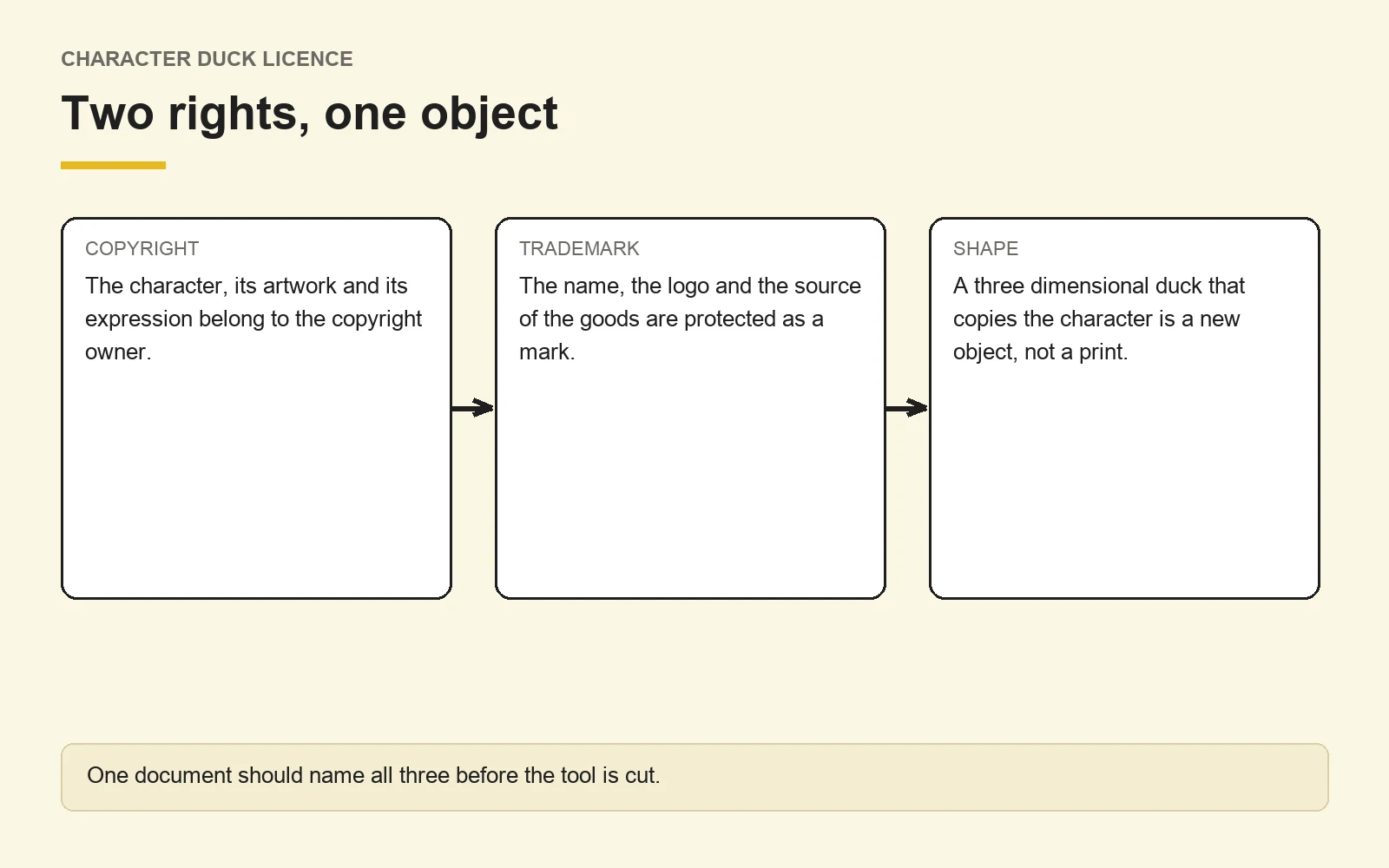
If the character is read by its head, its beak angle, a hat or a body ratio, the tool has to reproduce that silhouette, and the silhouette is usually the part a licence names last and a factory is asked about first. A brief that lists only the artwork and the colour is a brief for a printed duck. A brief for a character duck has to describe the object.
The Shape Is What Gets Frozen
A print can be removed from the next order. A mould cannot. Once the cavity is cut, the duck's head, the beak angle, the seam under the wing and the way the body sits on the base are fixed for every unit that comes out of that tool. That is the reason the shape belongs in the licence conversation and not only in the design file.
A character duck is read by a buyer at two paces, and the silhouette does most of the reading. The ears, the hair, the outline of the character clothing or the distinctive profile carry the recognition before any colour does. A duck that carries the right name on a generic body is a branded duck, not a character duck. A duck that copies the silhouette without the name is the version a rights holder will notice first.
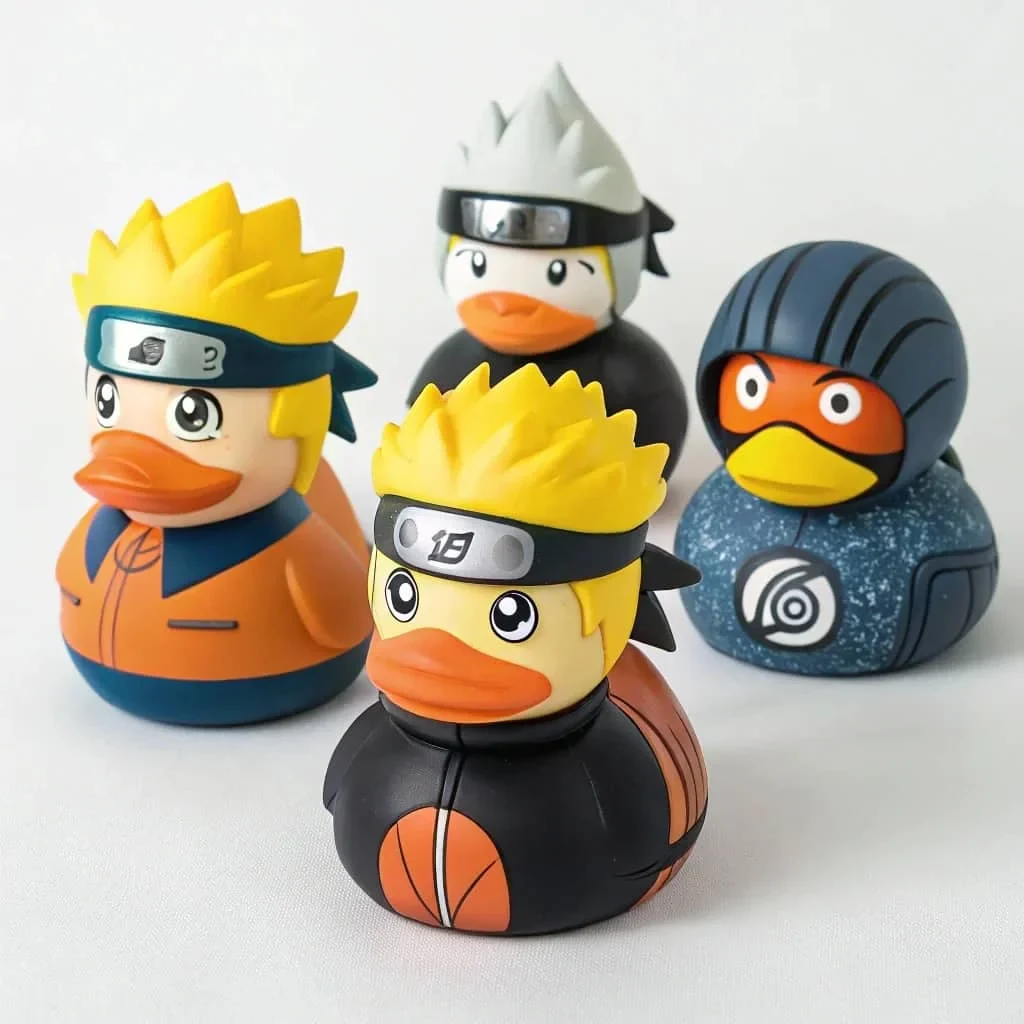
The practical test is to look at the first moulded sample from the distance a customer stands. If the character is only recognisable in the artwork file and not in the hand, the tool has not captured it yet. The size chart and dimension note covers how the body is measured on a sample. That is a design problem before it is a rights problem, and it is better to find at the sample stage than after the cavity has been polished.
The Bounds Are Territory, Channel and Quantity
A licence is bounded, and the bounds usually arrive as three separate lines: territory, channel and quantity. Territory decides where the finished duck may be sold, not where it may be made. Channel decides whether the duck may go to retail, be given away as a promotion, or be sold only through a named account. Quantity decides how many units the licence covers, and it is the line most likely to be exceeded quietly when a reorder is placed.
| Bound | What it decides | What the written brief should state |
|---|---|---|
| Property | Which character, which version, which artwork | Character name, reference image, version and the rights owner |
| Territory | Where the finished duck may be sold | Countries or regions, and whether online sales are included |
| Channel | Retail, promotion or a named account | The channel, the account and whether onward distribution is allowed |
| Quantity | How many units the licence covers | Unit count, reorder rule and how extra units are handled |
Territory is where buyers get caught, because a duck made in one country and sold into another crosses two systems. In the United States, 15 U.S.C. § 1114 treats use of a registered mark in commerce in a way that is likely to cause confusion as infringement, so a channel the licence did not name is not a neutral place to sell the surplus. The licence and the sales plan should use the same words for the same market.
The Approval Has to Cover the Moulded Duck
Approval on a flat file is not approval of the duck. The moulded unit changes the character in ways a screen cannot show: colour shifts in a thick section, the beak reads shorter because of the draft angle, and a painted feature sits on a curved surface instead of a flat one. The approval object is the physical sample, photographed from the same angle as the reference art.
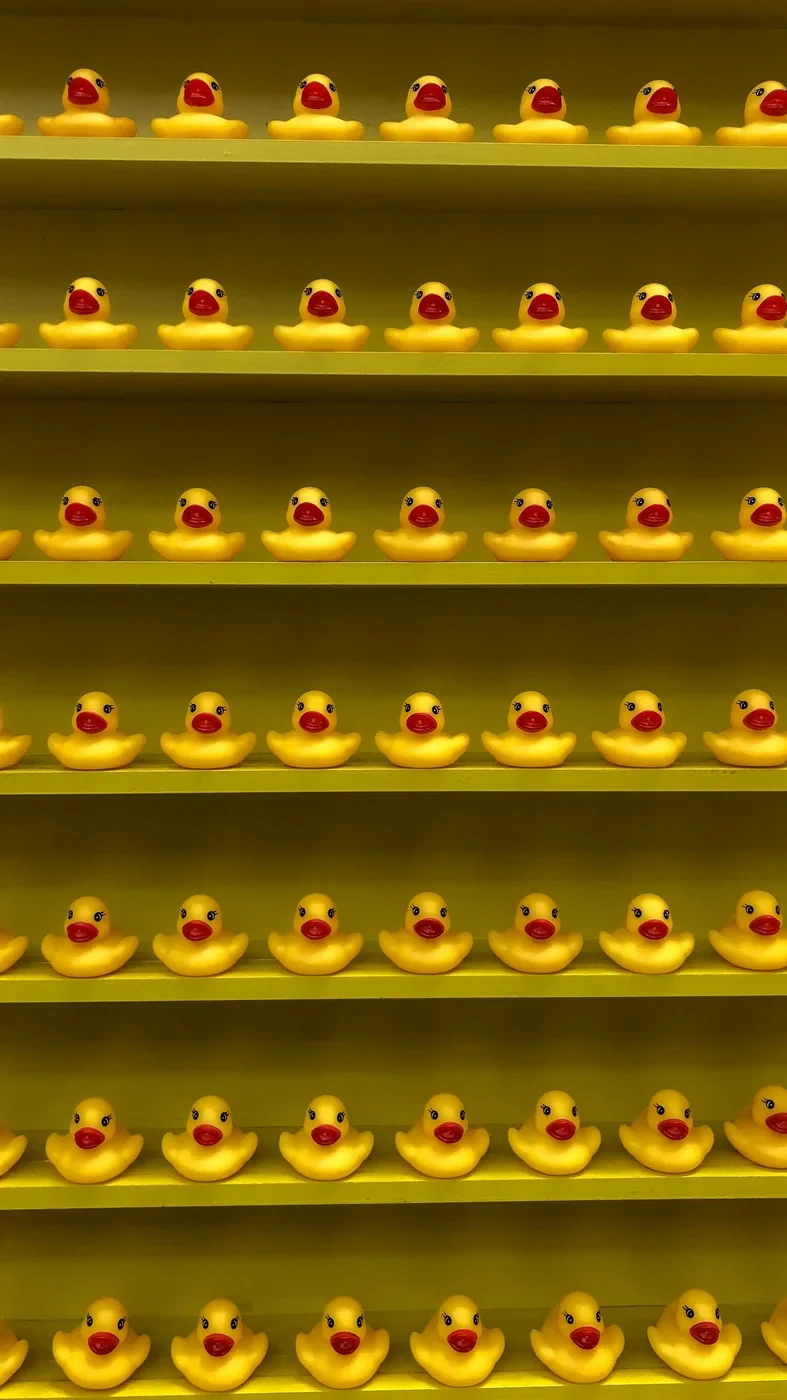
The sample also has to be approved for the parts the artwork never mentions. The packaging, the hang tag, the age statement and the permanent marks are all part of the object a customer receives, and a character licence usually says something about how the character may be presented. A duck that is correct in the hand can still be wrong on the shelf if the pack changes the character's proportions or adds a claim the licence does not allow.
Keep one approved sample of the whole unit, not one sample per part. When a second run is opened, the retained unit is the only object that settles the colour, the shape and the pack in a single look. That habit is the same one we use on the mould side, and it is the reason the next order does not restart the argument.
What Goes in the Written Brief
The brief is the document that travels between the brand, the rights holder and the tool room, and it should read as a specification rather than a request.
- The property, with the character name, the version and a reference image that both sides have seen.
- The rights summary, with the licence term, the territory, the channel and the unit count.
- The object, with the body size in inches, the head shape, the parts that have to be moulded and the parts that may be printed.
- The colour route, with the reference for each colour and the parts that carry it.
- The approval path, naming who confirms the flat art, who confirms the moulded sample and where the retained unit is kept.
- The marks, with the packaging layout and the permanent product marks described in words.
A brief that answers those six lines can be read by a tool room without a phone call. It also protects the buyer, because the document that grants the rights and the document that describes the duck are then the same document.
When an Original Character Is the Safer Route
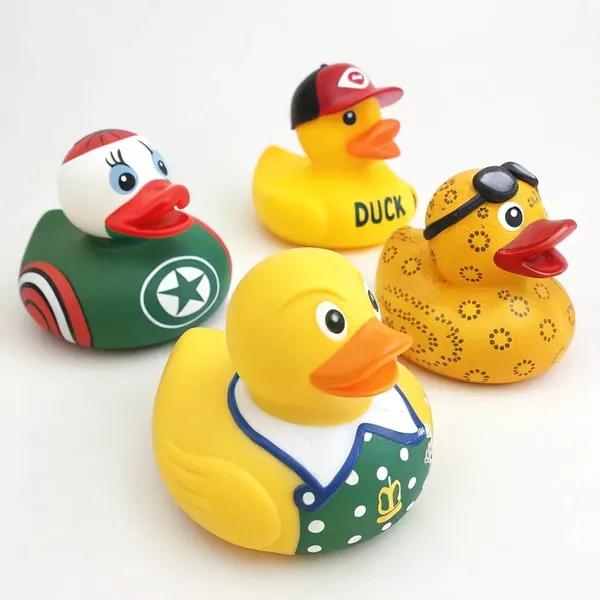
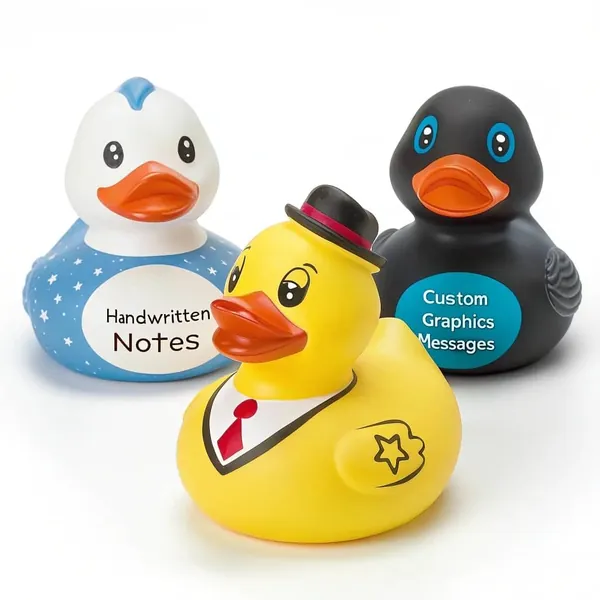
An original character is the route that carries no clearance question, and for many brands it is the better product. A duck that belongs to the brand can be reused, recoloured and reissued without a new permission for every market, and the shape can be tuned to the audience instead of matched to a reference.
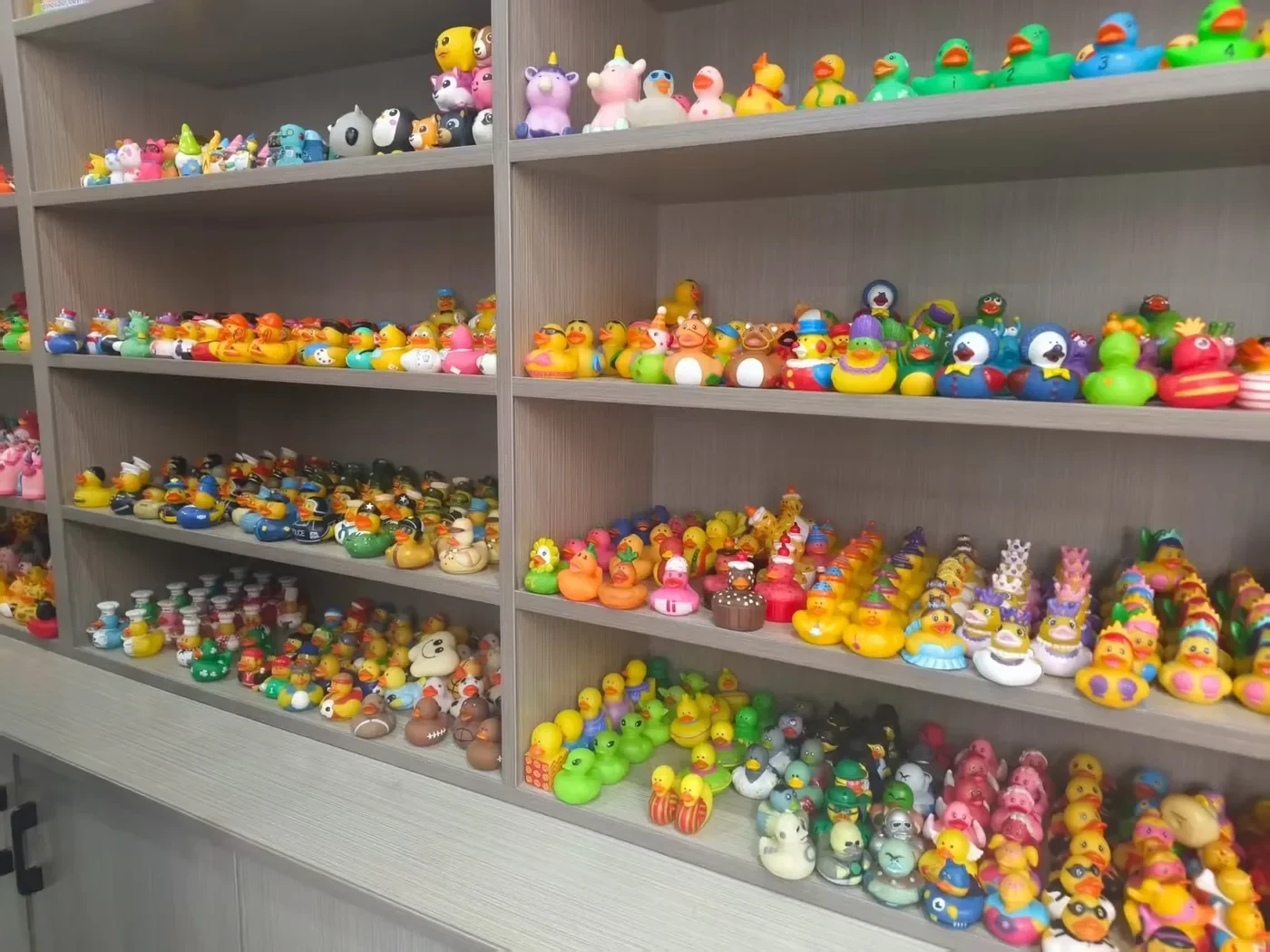
The trade is recognisability. A licensed character arrives with an audience and a shelf argument; an original character has to earn both. The usual compromise is a stock body with an original outfit and an original name, which keeps the tool simple and leaves the character work in the parts that can change. The mould carving and printing comparison covers how that split is decided per feature, and the overmoulding note covers what changes when an outfit becomes a second material.
Whatever the route, the duck still has to meet the toy rules for the market where it is sold. The toy safety label guide sets out what the product and the pack have to carry, and the tool ownership note covers who keeps the cavity when the licence ends.
Four questions settle a character duck before the file leaves the desk:
- Which rights does the licence cover: the artwork, the name, the shape, or all three?
- Which territory and channel may the finished duck be sold through?
- What physical sample has to be approved, and who signs it?
- Is a new tool justified, or does the idea work as a print on a stock body?
Frequently Asked Questions
Does a licence for the logo cover the duck's shape?
No. A logo licence covers the mark, and the shape of the character is a separate question that usually sits with the copyright owner. A duck that copies the shape is a derivative object even when the logo is absent, which is why the shape belongs in the same conversation.
Can the factory check the licence for me?
The factory can read the document and compare it with the order, and it can stop a run when the two do not match. It cannot grant rights, confirm ownership or decide what a licence means in a market. That confirmation belongs to the rights holder and, where the value of the programme justifies it, to a lawyer who reads licences for a living.
What territory should a duck licence cover?
The places where the finished duck will actually be sold, including the online storefronts, not only the country of manufacture. A licence that names the producing country and not the selling market has answered the wrong question, and the gap shows up when the first export order is placed.
When should the approval happen?
The flat art is approved before the tool is cut, and the moulded unit is approved before the first run ships. If a licence requires an approval of the finished product, that approval should be written into the schedule as a step with a named approver, not left as an email that arrives after the cartons are packed.
Final Note: Five Things to Hold Before the Tool Is Cut
- The licence, with the property, the territory, the channel and the unit count written in the same words you use in the sales plan.
- A reference image both sides have seen, with the version marked.
- A brief that describes the object, not only the artwork.
- A named approver for the flat art and a named approver for the moulded sample.
- One retained unit of the approved whole product, kept where the next run can find it.
A character duck is approved twice, once as a drawing and once as an object. The gap between those two approvals is where most of the risk lives, and it is the part a buyer can close before the tool is cut.
Key takeaways
- A character duck carries copyright, a mark and a shape, and the three are confirmed separately, covered under the two rights.
- The mould freezes the silhouette, so the shape belongs in the licence conversation, covered under the frozen shape.
- Territory, channel and quantity are three separate bounds that have to match the sales plan, covered under the licence bounds.
- Approval on a flat file is not approval of the duck; the physical sample is the approval object, covered under the moulded approval.
- An original character avoids the clearance question and trades recognisability for control, covered under the original route.