Favour orders are sequences of decisions, and almost every favour problem is created before anything is moulded. The count is guessed, the shape is chosen from a photograph, the colour is approved on a screen, and the tag is decided last. Each of those is a small decision that becomes expensive once the batch exists.
Written as a working note on event favours, with public toy safety guidance cited where a rule applies.
In short: Five sourcing mistakes cause most favour problems: counting from the carton instead of the guest list, choosing a shape from a picture, approving a colour on a screen, leaving the tag and the bag undecided, and letting the guest list change after the design is signed. Fix the order of those five and the batch arrives with nothing left to negotiate.
A favour has one job: leave with the guest
A favour is not decoration and it is not a gift in the sense a wedding gift is. Its job is to leave the event in someone's hand or bag, and still be recognisable a month later. That job sets every decision behind it: the size has to fit a bag, the shape has to read at arm's length, the colour has to match the table without relying on a photograph, and the tag has to survive the trip home.
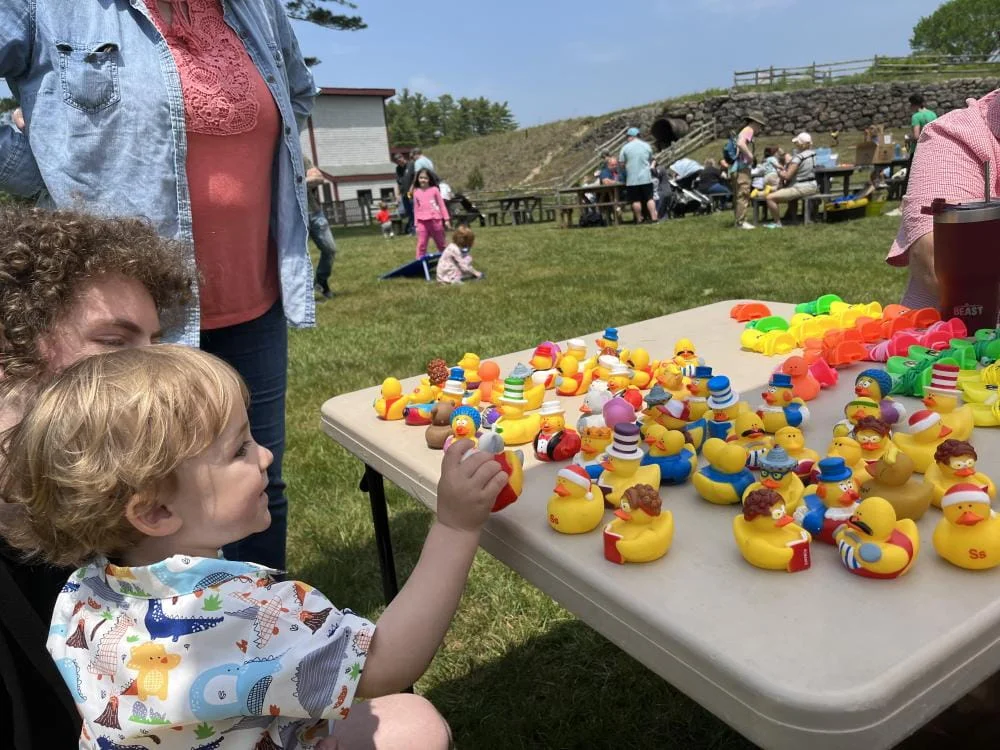
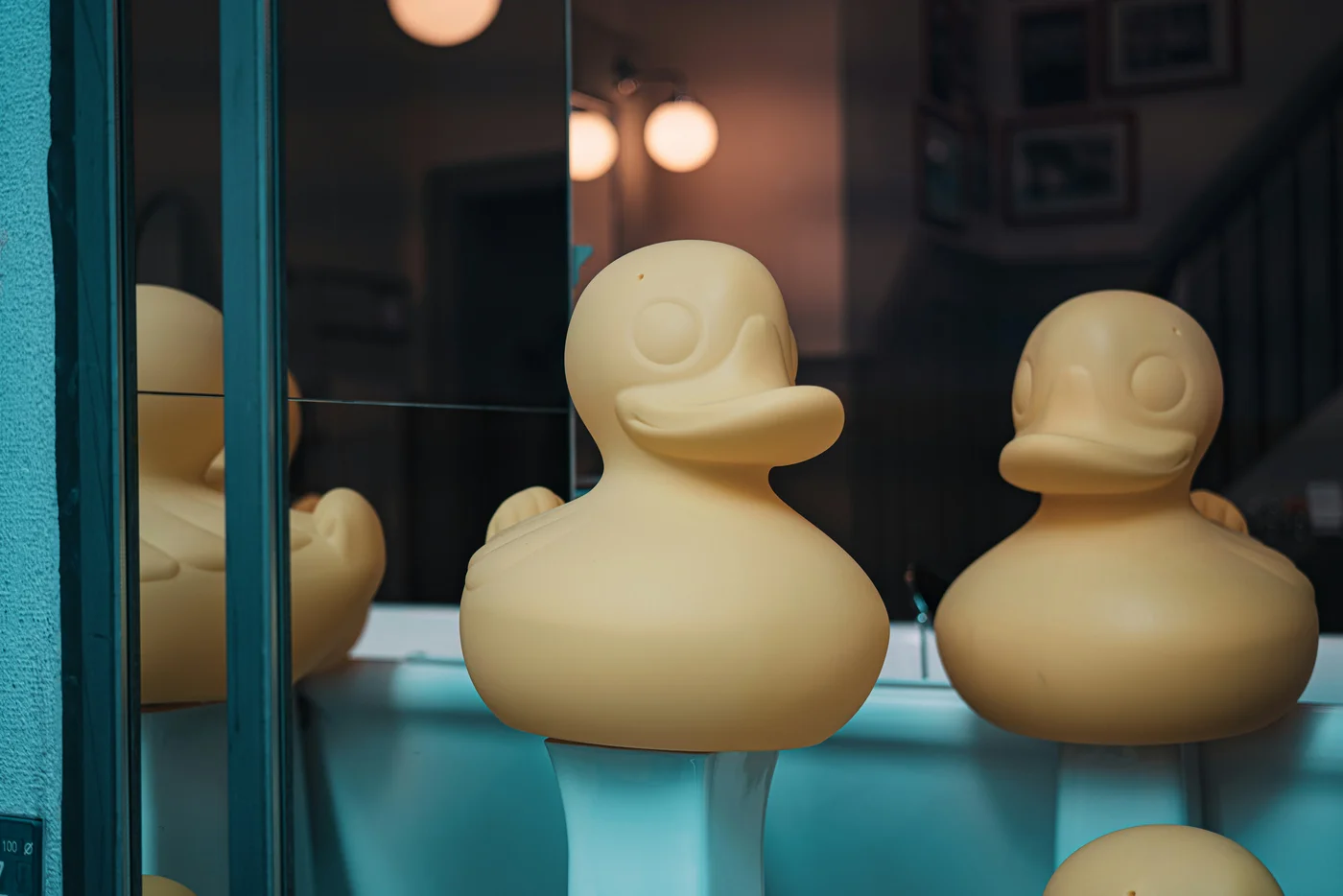
A duck does that job better than most favours because it has a resting place at the other end. A printed card is read once and binned. A duck ends up on a desk or a shelf. The swag note explains why that difference matters more than the item's size.
| Decision | When it is usually made | When it should be made |
|---|---|---|
| Count | After the carton figure arrives | From the guest list, before anything is booked |
| Shape | From a photograph | From a drawing with base and side |
| Colour | On a screen | Against a physical reference |
| Tag and bag | The week before | With the design brief |
| Change rule | After the first change is refused | Before the design is signed |
Mistake one: the count starts at the carton, not the guest list
The first mistake is arithmetic. A couple counts the carton, divides by the number of tables, and orders the number that lands nearest. The right method is the reverse: start from the guest list, add the children, add a small buffer for breakage and staff, and then check whether that number divides into the carton and inner pack the factory uses.
The second half matters because a carton is not a bag of loose units. If the number sits awkwardly between inner packs, the last box is a partial box, and the packing plan becomes a conversation. The carton note explains how the inner pack divides, and the seasonal note covers how the guest count behaves across a year of events.
Mistake two: the shape was chosen from a picture
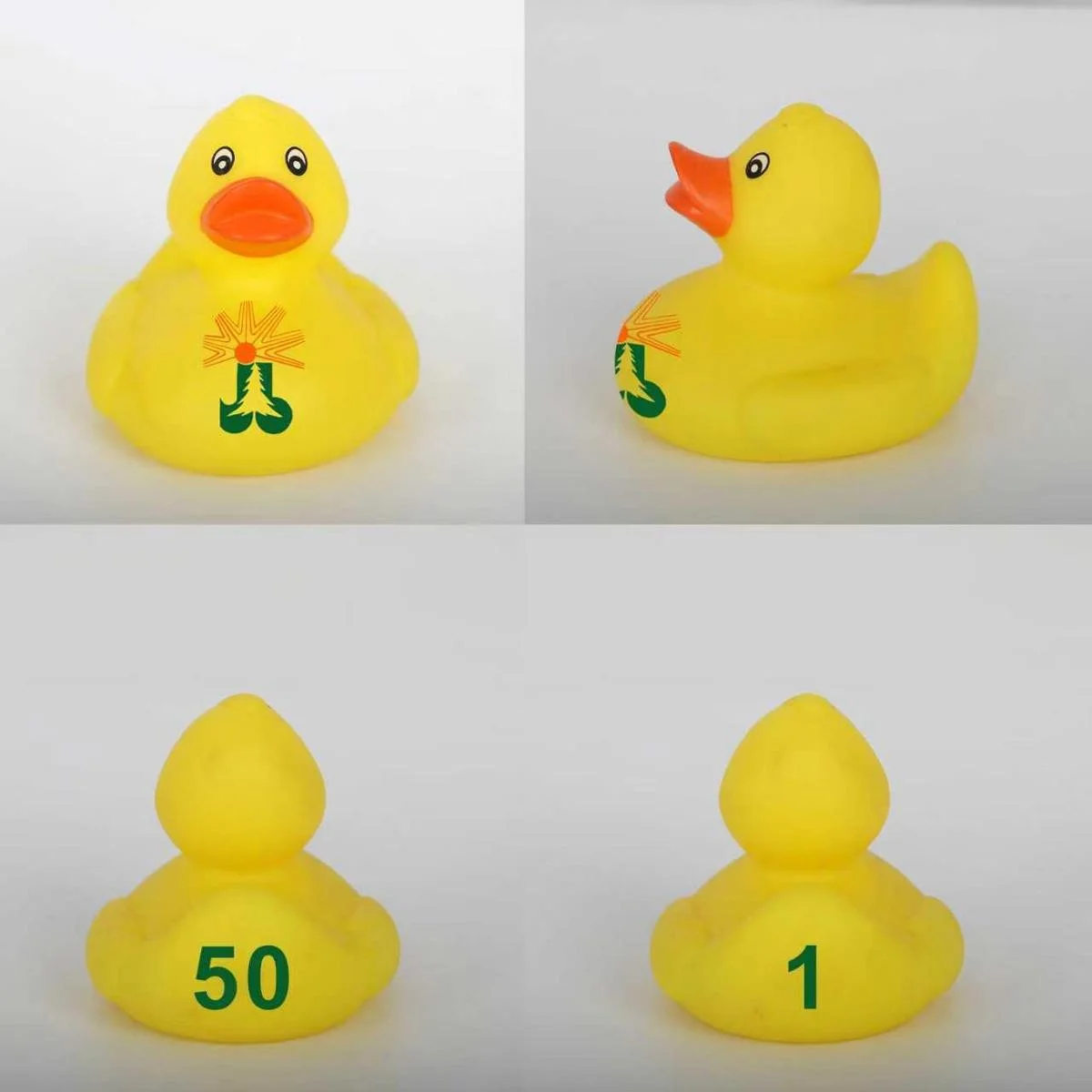
A photograph of a duck shows the front. It does not show the base, the seam, the back of the head or how the body sits in a hand. A buyer who chooses from a picture often picks a shape whose charm depends on the angle they saw, and the unit that arrives is correct but disappointing.
The fix is to ask for the shape as a drawing, with the base and the side. If the design depends on a prop, such as a hat or a small sign, ask where the prop attaches and whether it is moulded or added. That is the moment to discover that the charm needs a new tool rather than a print change.
Mistake three: the colour was approved on a screen
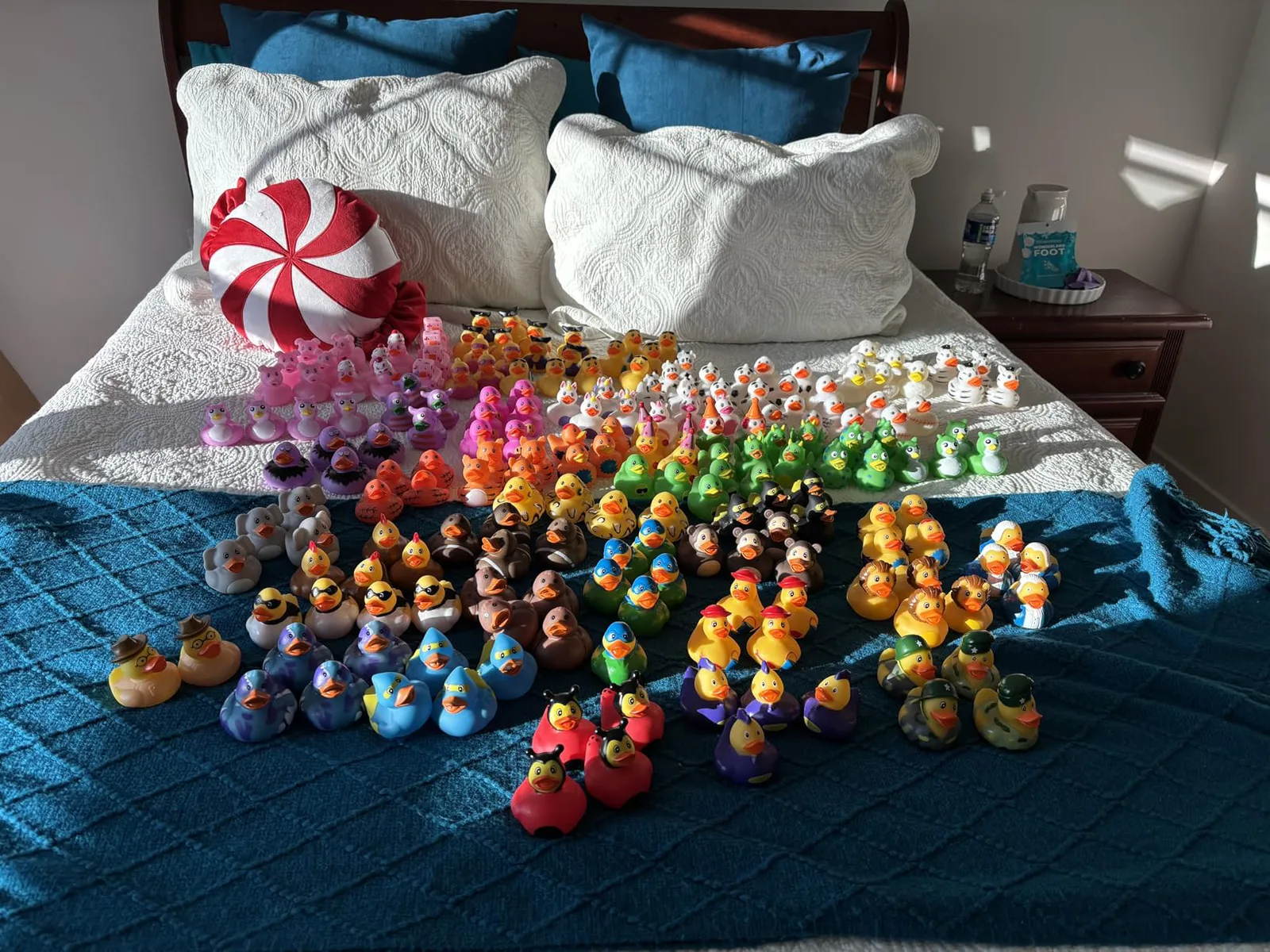
A colour approved on a monitor is a colour approved under one light, on one screen, with one set of settings. A duck is seen under venue lighting, in a photograph with a phone flash, and in daylight on the way home. Those are four different colours, and the screen approval only covers one of them.
The reliable method is a physical reference. A colour chip, a painted sample or a printed swatch is compared against the venue's palette and signed. The colour note covers how a match is specified so the batch does not drift.
Mistake four: the tag and the bag nobody wrote down
The tag is where a favour becomes personal, and it is the part most often left to the week before. A tag carries a name, a date, a short message and, if the duck is for children, the safety line. A bag carries the protection and the look. Neither is a last-minute item, because both are produced in their own run.
Write both into the brief: tag size, material, attachment method and message; bag type, closure and whether the tag goes inside or outside. The tag note covers the format decisions, and the packaging note covers the bag.
Mistake five: the guest list changed after the design was signed
The last mistake is the one nobody owns. A design is approved, the batch is booked, and then the guest list grows by twenty or the theme changes from one palette to another. The factory is now holding a signed design for an event that no longer matches it.
The protection is a change rule, agreed at the start: what can change without a new approval, what needs a new sample, and what cannot change at all. It is the same rule a product programme needs, and it takes one paragraph in the brief.
The child at the party
A favour that reaches a child is a children's product, and the file follows the product rather than the invoice. The CPSC's toy safety guidance sets out the testing and certification duties that apply, and the small parts rule is the one that catches favour designers most often. Under 16 CFR 1501.4, a toy for a child under three must not be small enough to fit entirely inside the Commission's test cylinder, and any component that comes loose is tested the same way.
That is why a favour with a small attached prop is a different product from a plain duck, and why the prop decision belongs at the design stage. If the favour is for adults only, say so in the brief and keep the item out of reach of children at the event.
What I check on a favour batch
Four things. The count against the guest list and the inner pack. The shape against the drawing, not the photograph. The colour against the signed reference. And the tag and bag against the brief, including the safety line if children are in the room. A batch that passes those four checks arrives with nothing left to solve at the venue.
- Does the count start from the guest list and end at the inner pack?
- Has the shape been approved from a drawing rather than a photo?
- Is the colour signed on a physical reference?
- Are the tag, the bag and the change rule written into the brief?
Frequently Asked Questions
Are rubber ducks good party favors for an adult event?
Yes, if the event has a table and a bag. A duck reads as a small, funny object rather than as a corporate gift, and it survives the trip home. For an adults-only event the tag carries the message and the duck carries the memory.
Should the logo be printed or moulded into the duck?
Printed, unless the mark is part of the character. Moulding a logo means a new tool or a tool change, which is a different budget line and a different schedule. Print carries almost any mark that can survive a curved surface, and it can change between events without a new mould.
What age group do I need to think about for a favour duck?
The youngest person who can reach it. If children are invited, the duck is a children's product and the testing and certification duties apply, including the small parts rule for anything that can detach. Say the age range in the brief and let the design follow.
How do I stop the tag falling off in the bag?
Choose the attachment before the tag is printed. A string through a punched hole is the simplest and the least secure, a glued tab is neat and needs a flat surface, and a tag tucked inside a folded card needs nothing at all. Whichever you choose, test it on one assembled unit before the batch.
Final Note
A favour brief with five decisions in the right order beats a beautiful duck chosen from a photograph. The mistakes are not design mistakes. They are sequence mistakes, and they are most damaging when they are discovered after the batch exists. A favour that leaves with the guest is the whole point, and the guest list, the drawing, the reference, the tag and the change rule are how it gets there.
Key takeaways
- A favour has one job: leave with the guest: the job sets size, shape, colour and pack.
- Mistake one: the count starts at the carton, not the guest list: count from people, then check the inner pack.
- Mistake three: the colour was approved on a screen: a physical reference is the only approval that travels.
- The child at the party: a favour that reaches a child is a children's product.
- What I check on a favour batch: count, shape, colour, tag and bag.