Who holds the risk while the work is unfinished is the only question a payment term really answers. The label on the term matters much less than that answer. Advance transfer, letter of credit, escrow and platform protection are four different places to park the risk, and each one moves it to a different party at a different moment. A buyer who knows which party is carrying the risk at each stage can negotiate. A buyer who only knows the percentage cannot.
Written as a working note on payment structure, with public commercial-law and toy safety guidance cited where a rule applies.
In short: Every payment term puts the risk somewhere: with the buyer before goods exist, with a bank while documents are checked, with a third party while an inspection is decided, or with a platform while a dispute window is open. The term is only as good as the milestone it is tied to. A schedule attached to a calendar date protects nobody, because nothing has been verified on that date.
The invoice is the term, and it comes before the money
Most payment arguments are settled long before the first transfer, in the way the invoice is written. An invoice that names a stage, a quantity and a document is a term. An invoice that names only a percentage is a hope. The difference shows up when something goes wrong, because the party holding the money can point to a document rather than to a memory of a conversation.
This is also why the payment schedule belongs in the same document as the specification. If the specification says the run is approved when a sample is signed, the payment schedule should say that too, in the same words. Two documents that describe the same milestone differently are how a payable stage becomes a dispute. The wholesale note covers the surrounding order structure, and the invoicing side has to agree with the customs description of the same goods.
Four mechanisms, four kinds of trust
| Mechanism | Who holds the risk before delivery | What has to be true for it to work | Where it usually breaks |
|---|---|---|---|
| Advance transfer | The buyer | The supplier's record is known and the amount is small | Nothing is left to withhold if the run disappoints |
| Letter of credit | A bank, while documents are checked | The documents are exact and the terms are unambiguous | A document discrepancy delays payment after shipment |
| Escrow | A third party, until a condition is met | The release condition is objective and testable | The condition is vague, so release becomes a negotiation |
| Platform protection | The marketplace, inside a window | The dispute is raised inside the window with evidence | The window closes before the goods are inspected |
Advance transfer: the buyer carries everything
An advance transfer is the simplest mechanism and the one that puts the most risk on the buyer. The money leaves before the goods exist, so the buyer's protection is entirely the supplier's record and the size of the amount relative to what the buyer can absorb. That is not a reason to refuse it. It is a reason to keep the first transfer small and to attach it to a stage that produces evidence, such as a signed sample or a released drawing.
The practical version is a staged schedule. A small first stage that covers the tool or the material, a middle stage tied to an approved sample, and a balance tied to an inspection the buyer can see. Each stage is smaller than the total, and each one has a document behind it. The quarter gate note shows the same logic applied to the production calendar rather than to money.

The quarter gate note shows the same logic applied to the production calendar rather than to money.
A letter of credit is read as documents, not as ducks
A letter of credit is often described as a guarantee of quality. It is not. It is a promise by a bank to pay against a compliant presentation of documents, and the bank never looks at a duck, which is why the inspection wording belongs in the credit and not only in the purchase document. That is the strength and the limit of the instrument in the same sentence. In the United States, Article 5 of the Uniform Commercial Code governs letters of credit, and the whole structure rests on documents matching the terms rather than on the condition of the goods.
So the work is in the drafting. The credit has to name the documents that prove the stage: the inspection certificate, the packing list, the bill of lading, the certificate that the product conforms. If the credit names a document the supplier cannot produce, the presentation fails and the payment waits, even though the goods are fine. If it names a document that anyone can produce, the credit protects very little.
Escrow and platform protection stop where the contract stops
Escrow moves the risk to a third party for a defined period. Its quality depends entirely on the release condition. A condition such as "on delivery" is testable. A condition such as "when the buyer is satisfied" is not, because satisfaction is not a document. When the condition is vague, the escrow turns into a negotiation with a stranger holding the money.
Platform protection is a narrower version of the same idea. It works inside a window, and the window is usually measured from delivery rather than from inspection. A buyer who opens the cartons a month later has already left the window, and the protection has expired without anyone noticing. If the platform is part of the plan, the inspection has to happen inside the window, not after the event, and the inspection timing note is the place to decide which inspection the window has to cover.
Tie the money to the milestone, not the calendar
A milestone is a fact that can be checked: a sample signed against a drawing, an inspection report with photographs, a packing list that matches the cartons, a document set that matches the credit. A calendar date is not a milestone, because nothing has been verified on it.
The test is simple. For every payment stage, ask what document proves the stage and who can read it. If the answer is a document that exists before the stage, the stage is really a date. If the answer is a document that can only exist after the work, the stage is real.
Five things that should stop a payment
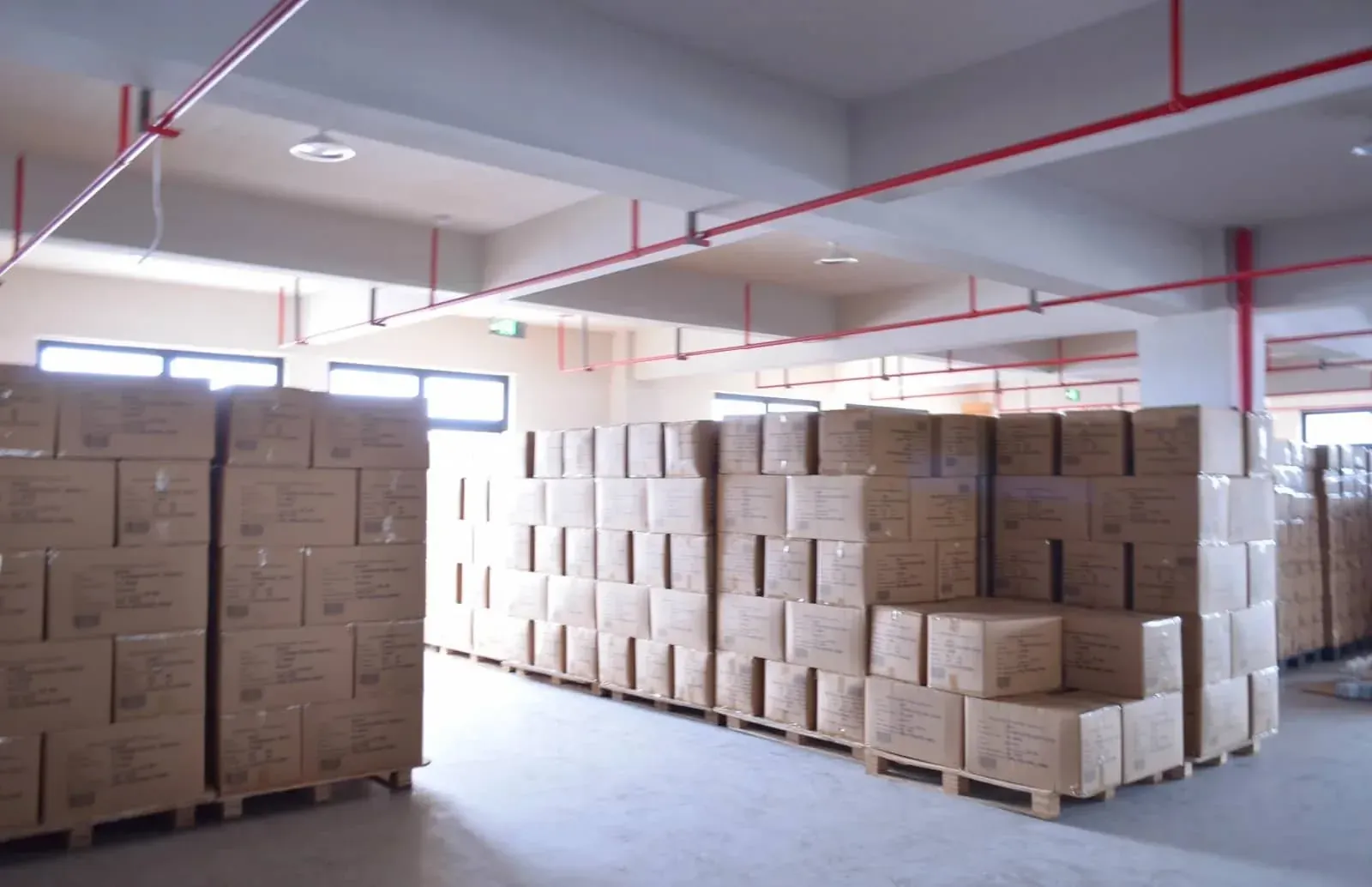
Some findings should stop a payment regardless of the schedule. The document set is usually where the first sign appears.

A sample that does not match the approved unit. An inspection with no photographs of the actual cartons. A document set that names a different quantity from the packing list. A carton mark that does not match the destination requirement. And a certificate that names a product the order does not contain.
The compliance side is the one buyers under-weight. The CPSC's toy safety guidance sets out the testing and certification duties that attach to a children's product, and none of them are satisfied by a supplier's assurance. The verification note covers how a certificate is checked against the product, and the claims note covers what happens when a batch fails after arrival. A payment tied to "certificate received" is only a real gate if somebody has read the certificate and checked that the product, the standard and the date match the order. The label guide shows where each mark sits, which is the fastest way to see whether a document set is coherent.
What a first order should look like
A first order is not the place to test an exotic structure. The version that works most often has three stages: a small first stage tied to the tool or the material booking, a middle stage tied to the signed sample, and a balance tied to an inspection the buyer or a representative can see before the goods leave. Each stage has a document, and each document can be checked by someone who was not in the conversation.
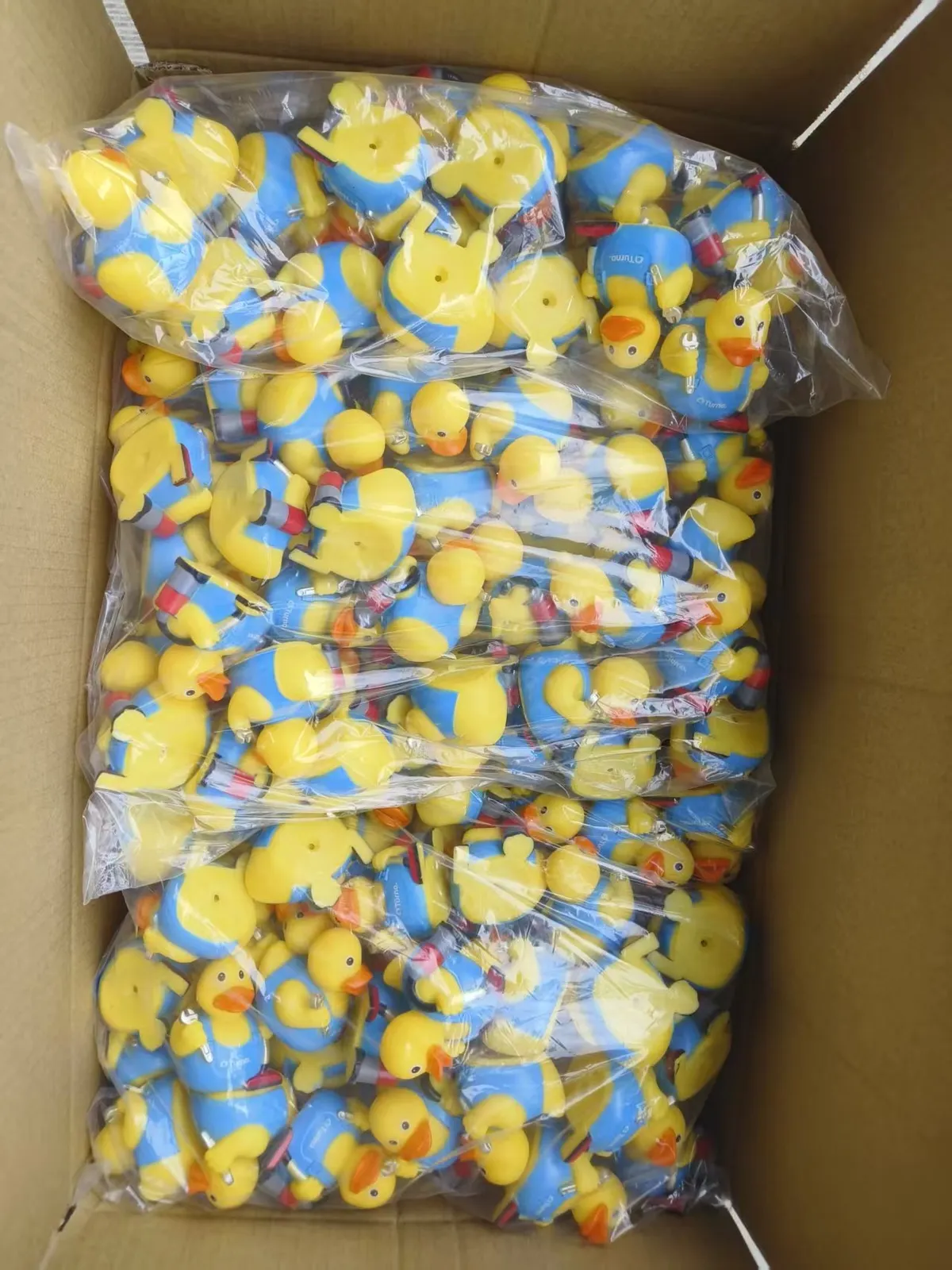
Two add-ons are worth the friction on a first order. A retainage, meaning a small part of the balance held until the cartons are opened at destination, gives the buyer a lever that carries no charge unless something is wrong. And a written inspection right, meaning the buyer can send someone or appoint an inspector before the balance moves, turns the last stage from a promise into a step.
Reading a term sheet in ten minutes
Four lines tell you most of what a term sheet does. First, the stages and their percentages. Second, the document that releases each stage. Third, who inspects and when. Fourth, what happens if a stage fails, meaning whether money is refunded, held or offset against the next run.
If a term sheet cannot answer the fourth line, it is not finished. The failure path is the part of the document that decides whether the schedule is a plan or a wish.
- Which document releases each payment stage?
- Can the buyer inspect before the balance moves?
- If a stage fails, is the money refunded, held or offset?
- Does the credit, escrow or platform window cover the inspection date?
Frequently Asked Questions
Is a bank transfer always riskier than a letter of credit?
No. A transfer is riskier when it is large and early, and a credit is safer only when the documents are drafted so the supplier can actually present them. A badly drafted credit can delay a good shipment, and a small staged transfer can be the lower-risk option for a first order.
Can the payment schedule be changed after the run starts?
It can be changed by agreement, and the agreement should be written before the change takes effect. The usual reason to change is a slipped gate, and the usual mistake is to move the date without moving the document that releases the stage. A changed date with an unchanged document is how the same argument returns.
What should a first order's schedule look like?
Three stages are enough: a small first stage at booking, a middle stage at sample approval, and a balance at inspection. Add a retainage if the buyer wants a lever after arrival, and write the inspection right into the same document.
Who pays the bank charges?
It depends on the instrument and on the country pair, and the answer belongs in the term sheet rather than in a later email. Charges can be split between applicant and beneficiary, or borne by one side. What matters is that the split is written down before the credit is issued.
Final Note
A payment schedule with four documents named in it beats a schedule with four percentages. The percentages tell you how much moves. The documents tell you why it moves, and that is the part a buyer can check. A term that cannot name a document is a term that leaves the risk where it started.
Key takeaways
- Four mechanisms, four kinds of trust: each term parks the risk with a different party.
- Advance transfer: the buyer carries everything: keep the first stage small and attach it to evidence.
- A letter of credit is read as documents, not as ducks: the bank never looks at the goods.
- Five things that should stop a payment: a mismatch in the document set is a stop, not a delay.
- Reading a term sheet in ten minutes: stages, documents, inspection and the failure path.