A claim works as a sequence of evidence, because a message that says the ducks are wrong asks someone to take a side. A file that shows the standard, the pallet, the count, the photos and the batch asks a question that has an answer. The order of that file matters as much as its contents, which is what the rest of this page sets out.
A claim is a file before it is a complaint, and the file is the part a factory can actually answer.
In short: A claim on defective rubber ducks holds when it puts the approved standard beside the delivery, proves the pallet arrived as described, counts the units before the pallet is broken down, shows a defect framed against an accepted unit, and ties the units to a batch through carton marks. A safety defect is separated from a cosmetic one and reported first, and the remedy is chosen from where the defect sits in the chain rather than from how annoyed the buyer is.

A Claim Is a File, Not a Complaint
The difference between a claim that is settled in a week and one that runs for a season is not the size of the defect. It is whether the buyer and the factory are comparing the same things. A complaint describes a feeling about a delivery. A claim shows a difference between an agreed standard and a specific batch, with a count attached.
That is why the order matters. A claim is read from the outside in: what was agreed, what arrived, how much of it differs, which units, and what the buyer wants done. If any of those five is missing, the file goes back for another round of messages, and every round spends the credibility the file needs.
The four questions below are the ones that decide whether a file is ready. Answer them in writing before a single photo is sent, because the answers decide which photos are worth taking.
- Which standard was actually approved, and can it be put beside the delivery?
- Is this a transit event, a manufacturing difference, or a safety question?
- How many units differ, and does the count survive if the pallet is broken down before it is written?
- Which remedy moves the least risk, and what does each one leave on my side?
Start With the Standard You Signed
A defect is not an absolute. It is a difference from something both sides accepted, and the claim is only as strong as that something. If the standard is a photo in a chat thread, the claim turns into a debate about which photo was approved and when. If the standard is a sealed sample with a date and a reference on it, the claim becomes a comparison.
So the first page of the file is the standard, not the damage. Put in the approved sample reference, the drawing or spec line that covers size, colour and marking, and the acceptance criteria that were agreed for the order. If the approval was a photo only, say that plainly at the top, because it changes what the claim can be about: a photo can show colour, marking position and shape, but it cannot show squeeze feel, wall thickness or how a part behaves in water.
Bulk drift from an approved sample is worth naming here, because it is the most common version of this argument. The sample and bulk consistency page covers the causes; the claim only needs to establish whether the units differ from the accepted sample, not why.
Read the Pallet Before You Open a Carton
The pallet is the most overlooked evidence in the whole file and the first thing lost. Wrapped cartons carry the story of the journey: crushed corners, water staining, a lean, a broken seal, a carton that was re-taped. Once the pallet is broken down and the cartons are spread across a receiving floor, that story is gone and the factory has to argue about what might have happened.
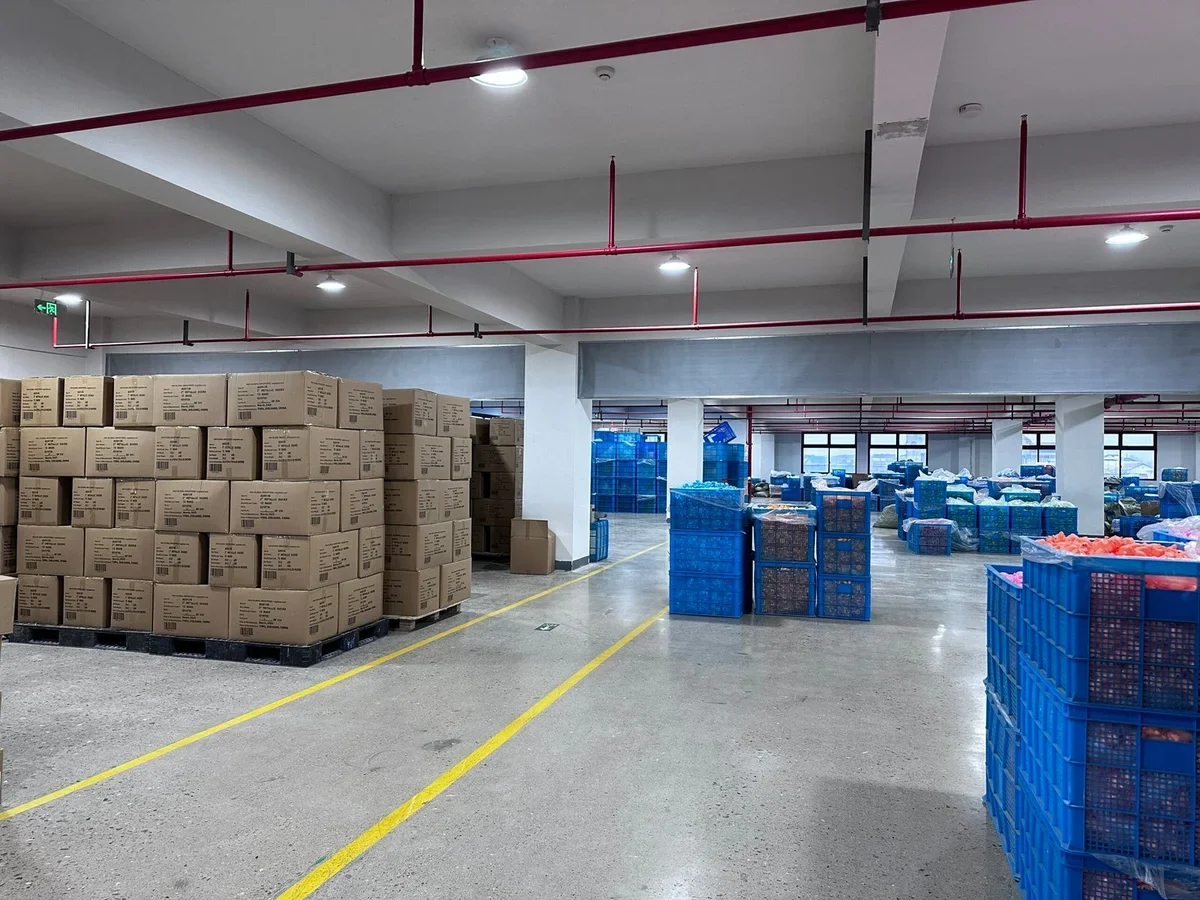
So photograph the pallet as it stands, from two corners, with the wrap and the top layer visible. Then photograph the carton seals before any carton is opened. Those frames do one job: they separate transit damage from a manufacturing difference, and that separation decides which remedy is even available to you.
The link between a carton and a transit event is where the carton specification page earns its place. If the carton was built to a stated board grade and a stated stack limit, a crushed carton is a freight question. If the carton matches its spec and the ducks inside are marked and intact but wrong, it is a factory question.
Count First, Then Photograph
A count is a claim of its own, and it decays fast. Cartons received against cartons on the packing list, units per carton against the marked count, and the shortfall written down before anything is opened. If the count happens after a sort, the number becomes a memory.
The method is simple and it is worth making it a habit: count by carton mark, write the number on the carton with a marker, photograph the marked carton, then open it. The marker line and the photo do two things at once. They prove the count was taken before the contents were disturbed, and they give the factory a carton reference it can match to its own loading record.
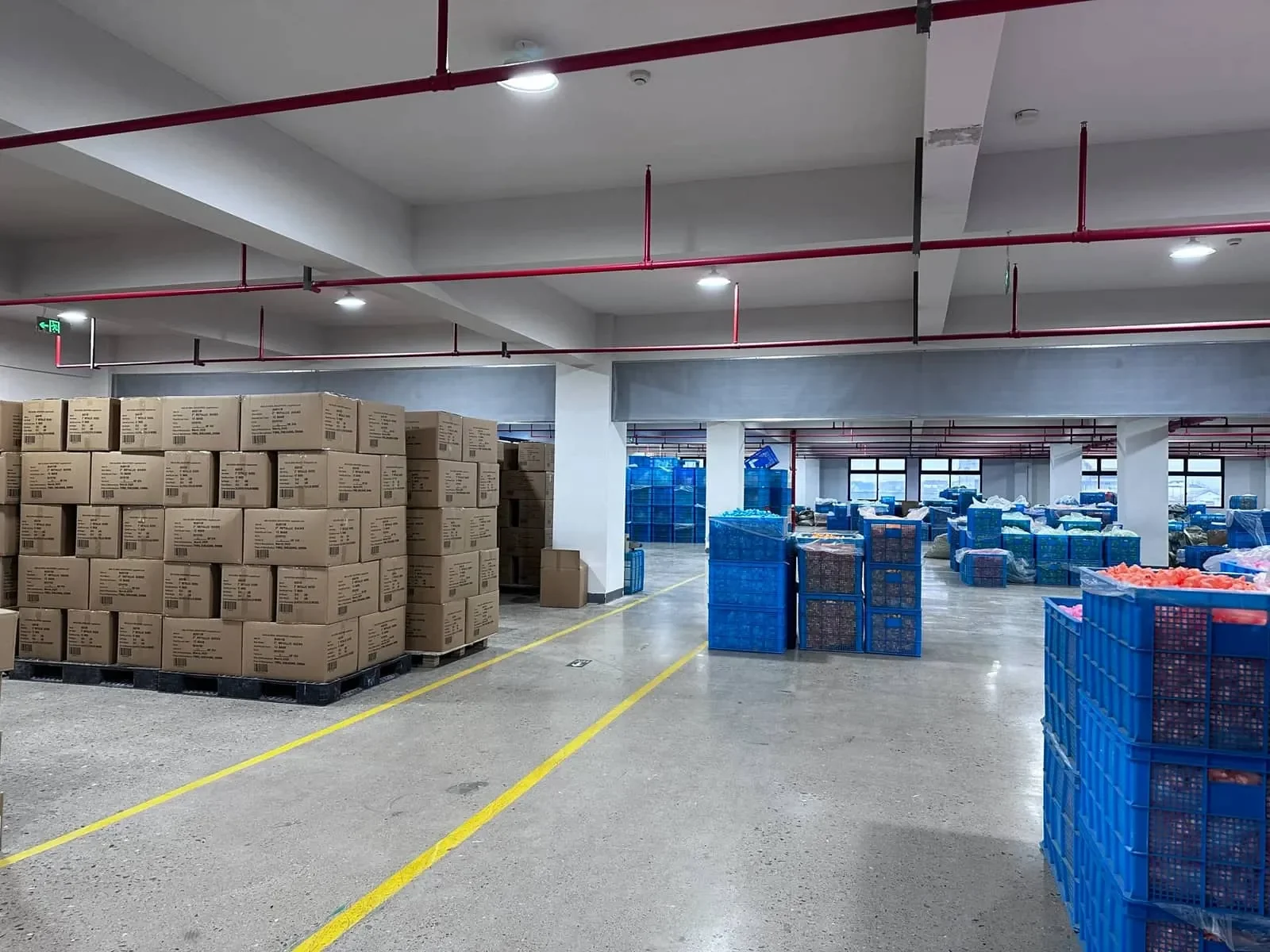
Short cartons are usually treated as a shipping argument, and they are not always one. A carton that is sealed, undamaged and short is a packing question. A carton that is sealed, crushed and short is a freight question. The count plus the seal photo answers which one you are holding, and a delivered pallet with a broken seal needs that answer before anything else in the file is worth reading.
The Photo Set That Ends the Argument
Most claims carry too many photos and not enough evidence. A hundred close-ups of the same defect prove that the buyer is unhappy. Four deliberate frames prove the difference.
Frame one is wide, per carton, showing the carton mark and the number of units. Frame two is the defect close up on a plain background, with a rule or a coin in shot and the measurement written in inches. Frame three is the comparison: the defective unit beside an accepted unit from the same delivery, same lighting, same distance. Frame four is the inspection tool, if one was used, because it shows the defect was measured rather than described.
| Evidence | What it proves | When it has to be captured | What weakens it |
|---|---|---|---|
| Pallet and seal photos | that the delivery arrived in the condition the carrier handed over | before any carton is opened | a re-taped carton photographed after sorting |
| Count by carton mark | that the units received differ from the packing list | before the pallet is broken down | a count written from memory at the end of the day |
| Defect close up with a rule | what the difference is and how big it is in inches | on the unit as found, before any cleaning | a macro shot with no scale in frame |
| Comparison frame | that the unit differs from the standard both sides accepted | beside an accepted unit from the same delivery | different light or distance between the two units |
| Carton mark and batch record | which run the units came from | before the cartons are discarded | a mark that is cut off in the frame |
The comparison frame is the one that does the work. A defect on its own is an opinion about a shape. A defect beside an accepted unit is a difference, and a difference is what the standard is for. Keep the same background, the same distance and the same light for both units, or the comparison becomes an argument about the photography.
The same discipline applies to how the units are sorted. The squeeze, drop and seal test page shows what a functional check looks like, and if the claim is about function rather than appearance, the frame that matters is the one where the test was running.
Batch Identity, Carton Marks and the Retained Sample
A factory cannot check a claim it cannot trace. Carton marks, the mark on the inner bag and the run date on the packing list are what tie a duck in a buyer's hand to a batch, a cavity and an operator. Without them the claim is a story about a duck, and the factory has no record to open.
That is why the carton mark photo belongs in the file even when the cartons look perfect. It takes one frame and it converts the whole claim from a description into a record. If the marks are missing or unreadable, say so early, because that changes what the factory can confirm.
The retained sample is the other half of traceability, and it is the piece buyers skip. Keep one sealed unit from each accepted delivery, labelled with the date, the batch mark and the standard it was accepted against. When a claim arrives months later, the retained sample answers a question that no photo can: was the accepted unit from that batch the same as the unit in the buyer's hand.

When the Defect Is a Safety Question
Some defects are a commercial difference and some are not. A marking in the wrong place is a difference. A part that comes away in a hand small enough to pull it is a safety question, and it stops being a negotiation about credit.
The distinction is written down outside the factory. The U.S. Consumer Product Safety Commission explains that the Consumer Product Safety Improvement Act made ASTM F963 a mandatory toy standard for children's toys under 16 CFR part 1250, and that detached small parts are regulated separately under 16 CFR part 1501. Read the CPSC toy safety guidance before deciding that a loose part is a cosmetic issue.
Any projection of a toy that the child can grasp with at least the thumb and forefinger or the teeth shall be subject to this test.
That line is from 16 CFR 1500.52, which also sets out the drop and the tension applied to a grippable part. In a claim file, the safety item goes on the first page and on its own: what the part is, how many units are affected, and whether the batch has shipped further. The durability standards page covers the standard behind the test, and the inspection page covers where in the process the check belongs.
The Remedy Is a Choice, and Each One Moves Something
A claim ends with a request, and the request is a choice between remedies that move risk in different directions. Replacement of the affected units moves the timing and the freight to the factory and leaves the buyer waiting for stock. A credit closes the file quickly and leaves the buyer without units to sell. Rework at destination moves the labour to the buyer's side and leaves the standard in the buyer's hands. Sort and use moves the decision about what is acceptable to the buyer.
None of those is the right answer in general. The right answer follows where the defect sits. If a small share of units inside otherwise good cartons differ, a sort with replacement of the affected units keeps the market supplied and squares the record. If the whole delivery differs from the approved standard, the sample or the tool is in question, and replacing units will simply reproduce the same difference.
So the last page of the file is one page: what the defect is, how many units, which batch, what you ask for, and by when you need the answer. A request with a date is a decision for the factory. A request without one is a conversation.
Frequently Asked Questions
What counts as a defective duck?
A duck is defective when it differs from the standard both sides accepted, and the category matters more than the label. Appearance, function and safety are three different claims with three different remedies, and mixing them in one message is what makes an arrival claim slow down.
How do I prove a short carton?
Count before the pallet is broken down, write the number on the carton, photograph the carton mark and the intact seal, and match the result to the packing list. A sealed, undamaged and short carton is a packing question, and the seal photo is what separates it from a carton that was opened in transit.
How long should I keep the retained sample?
Keep it sealed for as long as units from that batch can still be in the market and any claim about them can still arrive. Label it with the date, the batch mark and the standard it was accepted against, because an unlabelled sample proves nothing except that a duck was once in the building.
Can a repair settle a claim?
Sometimes, and only when the repair is inside the standard. A cosmetic trim or a re-pack can be acceptable if the buyer agrees in writing and the result still matches the approved sample. A repair that changes a child-facing part, or the way it attaches, is a different product and needs the safety route rather than a credit note.
Final Note: Build the File in This Order
- Put the approved standard on page one, with the sample reference and the acceptance criteria.
- Photograph the pallet and the carton seals before anything is opened.
- Count by carton mark, write the number on the carton, photograph it, then open.
- Shoot four frames: wide, defect close up with a rule, comparison against an accepted unit, tool if used.
- Record the carton mark and the batch, and put the retained sample beside it.
- Separate any safety defect and report it first, on its own page.
- Close with one page: what, how many, which batch, what you ask for, and the date you need it.
A claim is not a way to win an argument. It is a way to make the argument short, and the short version is the one that gets a delivery replaced while the season is still running.
Key takeaways
- A claim is a file in a fixed order, not a message about disappointment, as set out under a claim is a file.
- A defect only exists against an approved standard, so page one is the standard, covered under start with the standard.
- Pallet and seal photos separate transit damage from a factory difference, covered under read the pallet.
- Four deliberate frames beat a hundred close-ups, and the comparison frame is the one that decides, covered under the photo set.
- A safety defect leaves the commercial argument and is reported first, covered under when the defect is a safety question.