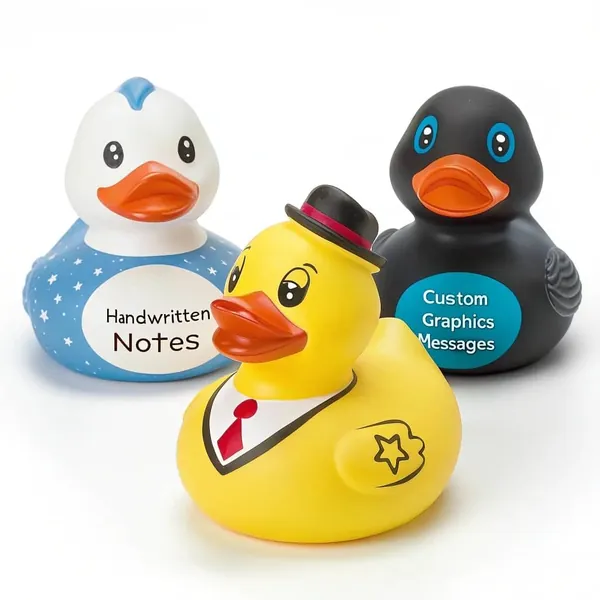
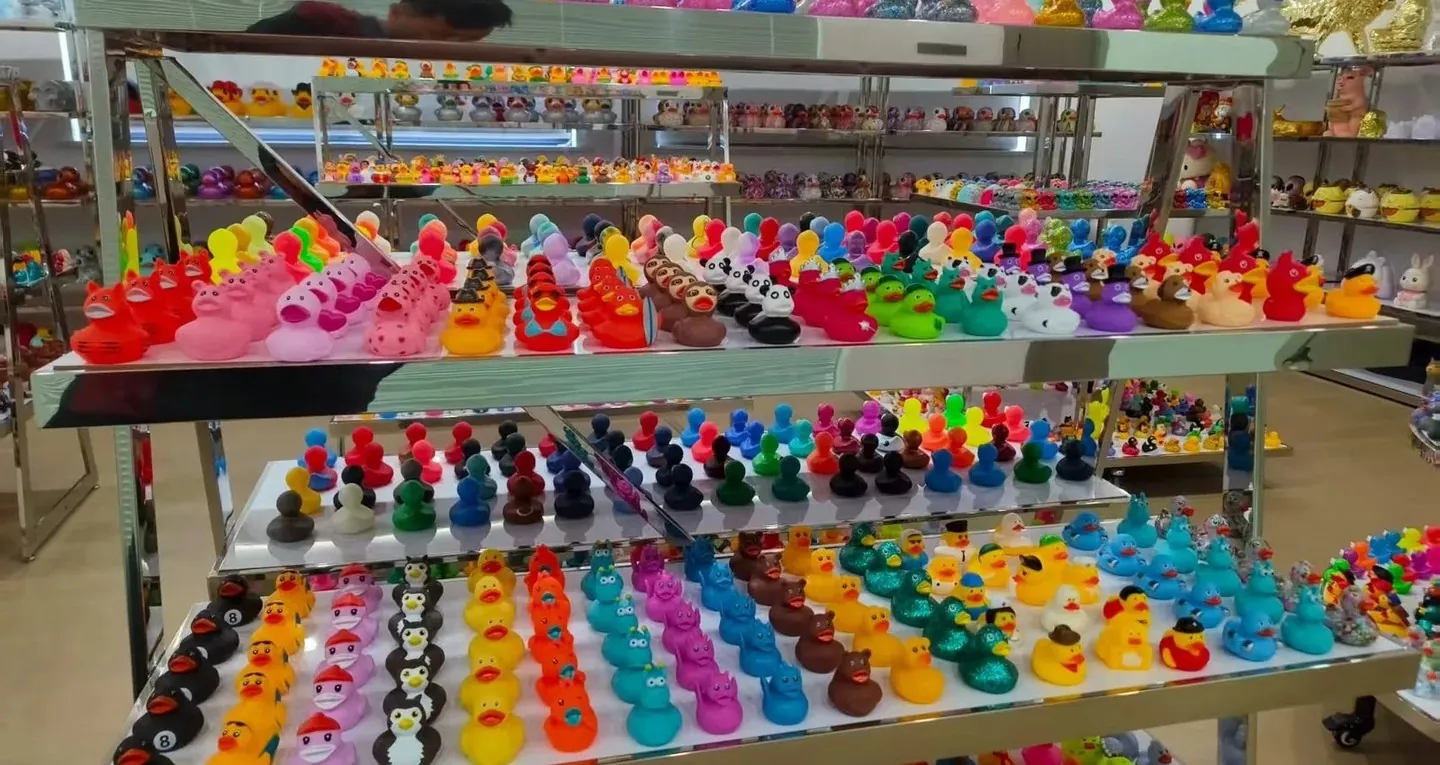
The landed lines are written before the goods figure, because almost every import surprise starts with a figure that was settled early and six lines that nobody owned until an invoice arrived. Each of those lines has a charging basis, a document and a party responsible for it. The duck is the smallest part of the arithmetic and the easiest part to compare, which is why it gets read first and understood last.
A landed total is seven lines, and the duck is only the first of them.
In short: a landed total is the goods plus six more lines — origin haulage, main carriage, cargo insurance, duty and import taxes, the customs entry, and the final leg with the waiting it attracts. Only one of the seven is charged on the duck. The others are charged on the space the packed carton occupies, the classification and origin of the goods, the number of entries filed, the insured value, or a date. The lever a buyer still holds before the order is the carton, because the carton fixes the space that most of the other lines are measured in.
The line everyone compares and the six nobody writes down
A goods figure is easy to compare because it is the only line that exists before the order. The other six come from different desks at different times: a forwarder bills the carriage, a broker files the entry, an insurer issues a certificate, a haulier bills the last leg, and a warehouse bills the weeks the goods sit. Nothing forces those six onto one page, which is why most buyers meet them for the first time as a set of separate invoices, each arriving from a party they had not thought of as part of the purchase.
The method is dull and it works. Before the goods figure is discussed at all, ask for four numbers on the carton: the outside dimensions, the count inside, the gross weight and the intended pallet pattern. With those four, three of the six lines can be sized. Without them, all six are somebody's estimate, and an estimate is the thing the word landed is supposed to replace. The wholesale buyer's specification is where that pack sheet sits inside a larger buying decision, and it is the same four numbers in a different order.
Seven lines, and the basis each one is charged on
Read the table as a map of an invoice rather than as a set of rules. The middle column is the part that surprises buyers, because the basis of a charge is almost never the duck: it is space, value, origin, an entry, or time. The last column matters as much, since a line with no document is a line that gets argued about at a port counter with the container already off the vessel.
| Line | Charged on | Closed by | Settled before the order |
|---|---|---|---|
| The goods | The duck, as invoiced | Commercial invoice | Style, size and pack agreed |
| Origin haulage | The truck or container that carries the cartons to the port | Forwarder's collection note | Carton dimensions and total cube |
| Main carriage | The space the packed cartons occupy, or the container itself | Bill of lading or air waybill | Mode, route and pack density |
| Cargo insurance | The insured value of the shipment | Insurance certificate | Who carries risk, and on what value |
| Duty and import taxes | Classification, origin and the declared value | Entry summary and duty note | How the product is described |
| The customs entry | Each entry filed, not each duck | Broker's note | How many arrivals the order becomes |
| The last leg and the waiting | Each shipment, each pallet, each week held | Delivery note and storage record | Arrival date and pallet count |
Four of those seven rows are decided by the pack, and the pack is the only one of the four a buyer can still change after the duck is chosen. That is why the carton sits in the middle of a landed total rather than at the end of it.
Freight rides on space, not on the duck
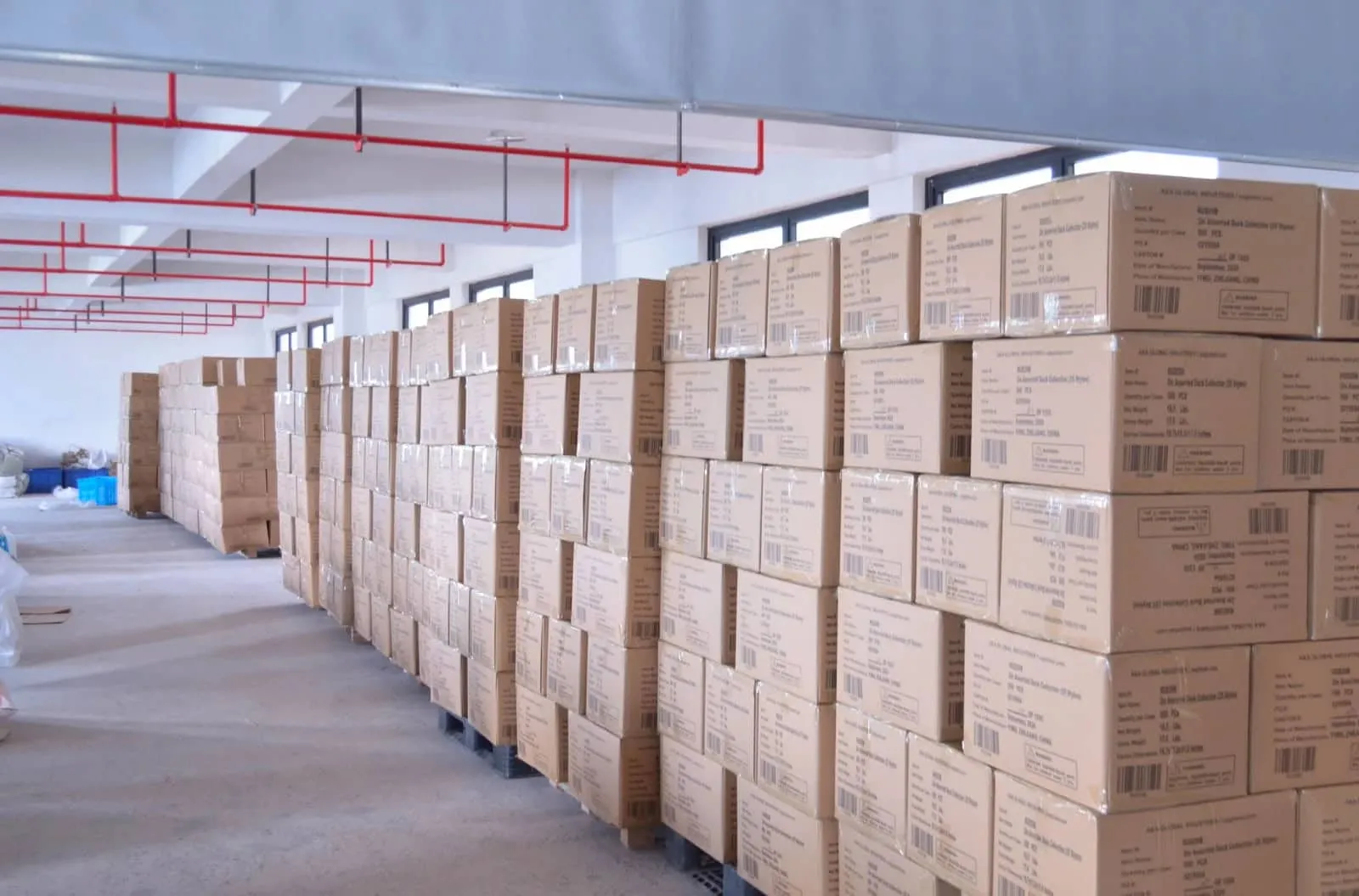
A rubber duck is mostly air. A container therefore fills by volume long before it reaches its weight limit, and the carriage line follows the carton rather than the duck. The effect is large: double the dimensions of a carton and it occupies eight times the space, so eight times the chargeable quantity travels for the same number of ducks inside. A range of three sizes is never three times the carriage of one size, and the largest duck in a range can carry the whole shipment's carriage on its own back.
The two modes measure that space differently. Air converts volume to weight at a fixed divisor, 6,000 cubic centimetres per kilogram in the common convention, so a cubic metre counts as roughly 167 kg, and the carrier charges whichever of the two figures is higher. Sea freight in a shared container is charged per cubic metre or per tonne, again on the greater of the two, while a full container is charged as a container whether it is filled or not. The consequence is blunt: a half-filled container pays what a full one pays, and the densest pack you can build without crushing the ducks is the pack that travels best. The sea and air comparison sets out where the two modes part company, and the size chart supplies the dimensions this arithmetic needs.
Duty rides on the classification and the origin
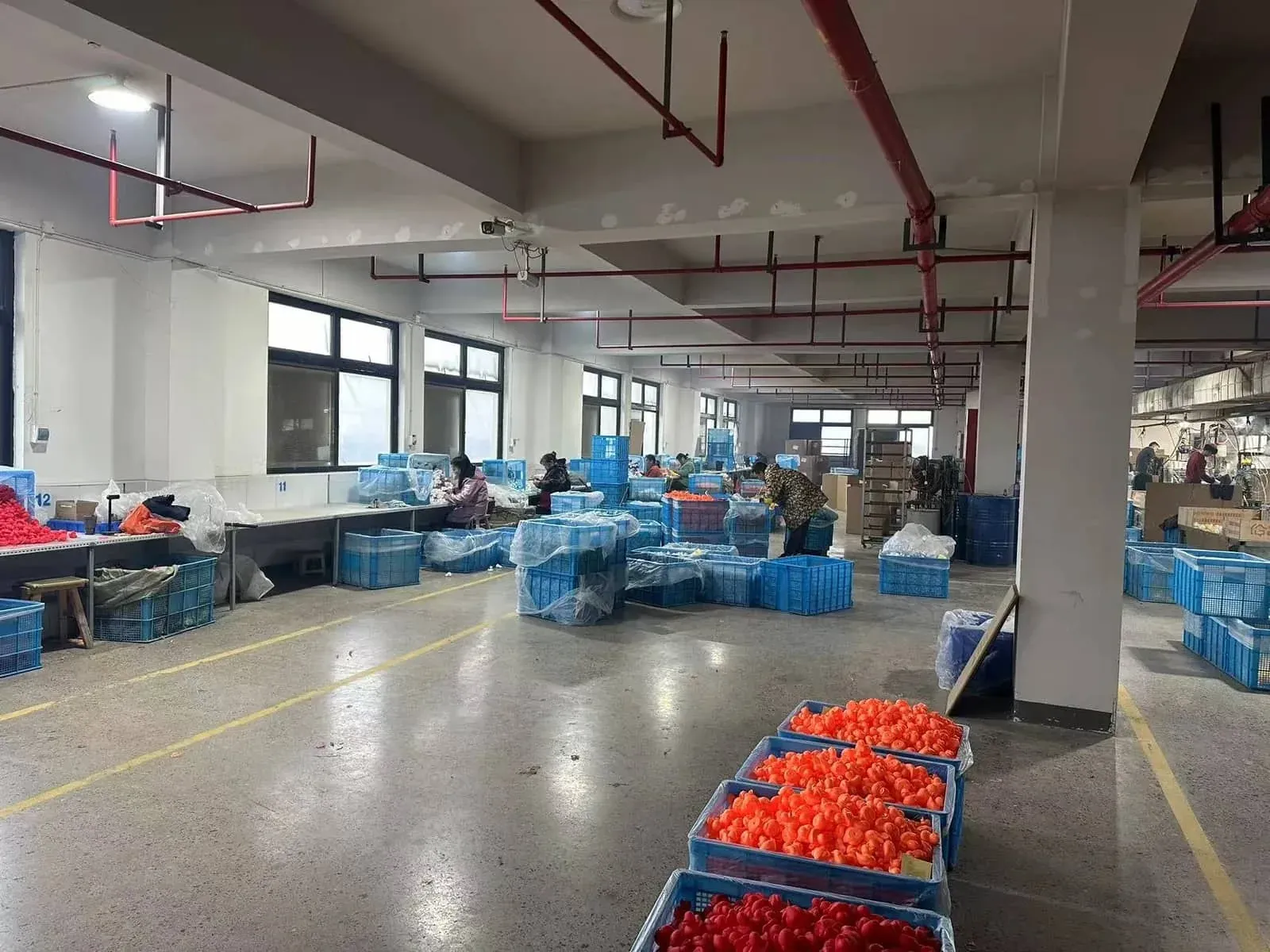
Duty is a percentage of a value, and the value is not the retail figure the promotion will sell at. It is the amount actually paid or payable for the goods, with carriage and insurance treated according to the importing country's rules. Two ducks of identical shape can therefore carry different duty, because the rate is attached to the classification and to the country of origin rather than to the duck itself.
Classification is a legal exercise before it is a filing habit. The Harmonized Tariff Schedule is read through its General Rules of Interpretation, applied in order, and the schedule itself is the last step of that reading rather than the whole of it. A duck sold as a toy, the same duck sold as a promotional item, and a duck packed inside a retail gift set can each be described differently, and the description decides the heading. Origin is the second half of the same question: a duck moulded in one country and printed, assembled or packed in another needs its origin settled before any rate can be read.
There is a floor under all of this for small shipments. United States law provides an administrative exemption for merchandise below a statutory ceiling, set at 800 US dollars in the general case under 19 U.S.C. § 1321, which is why a courier parcel and a pallet of stock do not follow the same path through customs. The ceiling is a customs rule rather than a buying rule, and it turns on the value of the goods in a single order or contract rather than on anything the pack can change. The HS code and customs note follows the classification side in more detail, including where the documents are lost.
Brokerage rides on the number of entries
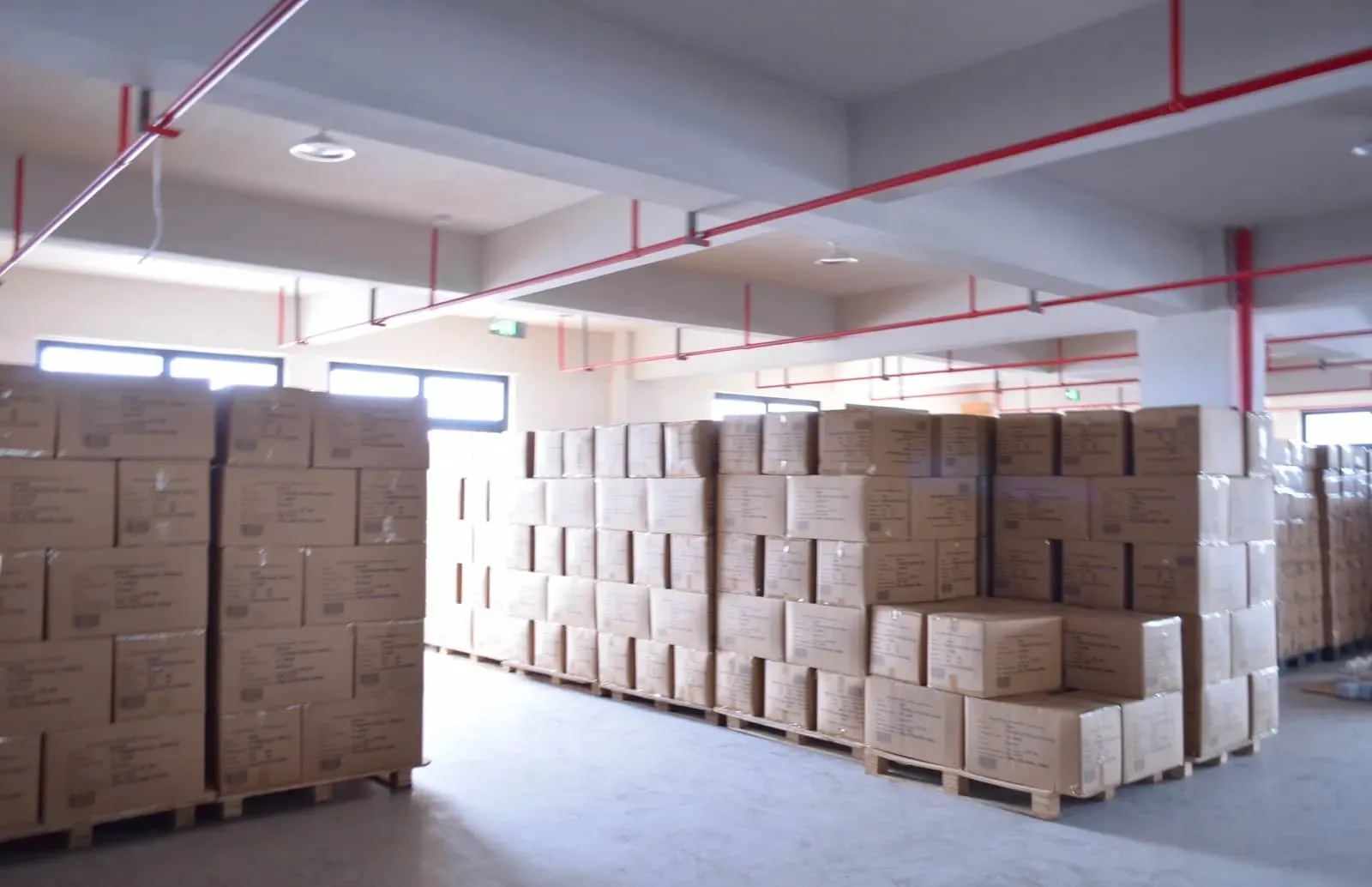
A customs entry is a piece of work: a declaration, a classification line, a value, a duty calculation and a release. Work is billed as work, so the same number of ducks can carry three times the entry line when they arrive as three shipments instead of one. That is why a first order split across two departures, or across two destination countries, feels disproportionate in a way the duck cannot explain. The ducks were divided while the paperwork was multiplied, and nobody put the multiplication on the same page as the goods figure.
Consolidation is the lever, and it is a packing decision as much as a freight one. Styles that share a body, a colour plan and a carton size can travel together and be filed once. The same logic works inside a single order: cartons packed by store, region or event can be split on arrival without opening everything, which saves handling at the far end as well as paperwork at the near one. The carton specification note carries the box, weight and pallet lines that make the split possible, and one question closes the ambiguity before the order: is the entry inside the carriage figure or billed separately. Two offers that differ only on that point can look different on paper and identical in total.
The last leg rides on a date
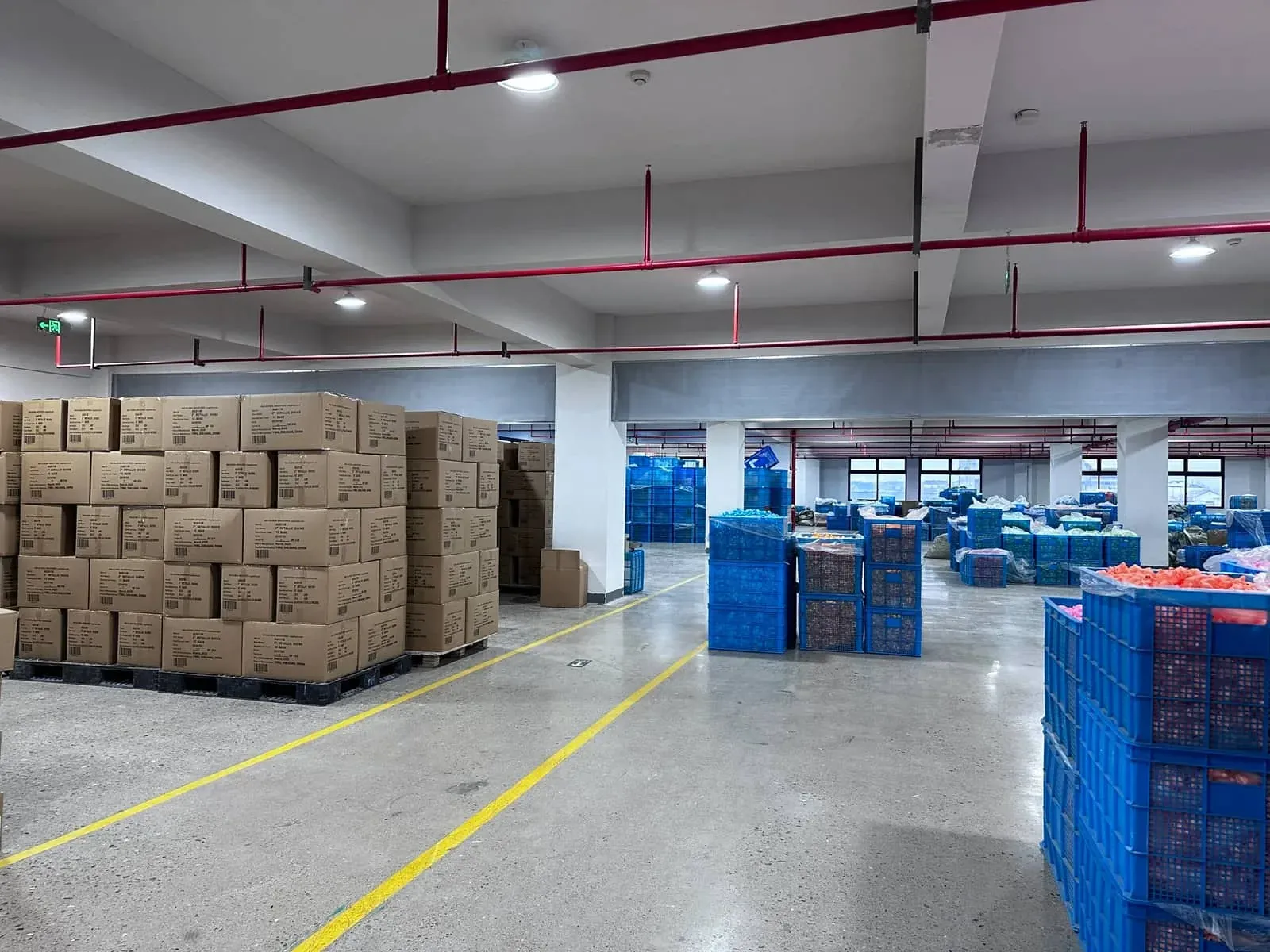
Carriage usually stops at a port or a hub. The last leg to a warehouse, a venue or a fulfilment centre is a separate arrangement, and it is the point where a shipment stops being a number and becomes a date. A terminal gives a container a fixed period before storage starts to be billed, and the meter runs whether the delay belonged to the carrier, the broker or a missing label. A held container is billed by the day; a missed campaign date is billed by the season.
The mode decision follows the date rather than the other way round. A restock that cannot wait becomes an air shipment, and the space-based arithmetic in the section above turns that choice into a multiple of the sea figure rather than a small premium. A seasonal run that can travel by sea needs its arrival date fixed before the batch is planned, not after it is packed, because the date decides which of the seven lines get the air version. The schedule note treats those dependencies in the order they bite, and the large size specification gives the dimensions that decide how many ducks a pallet can hold.
The carton is the unit the invoice is built on
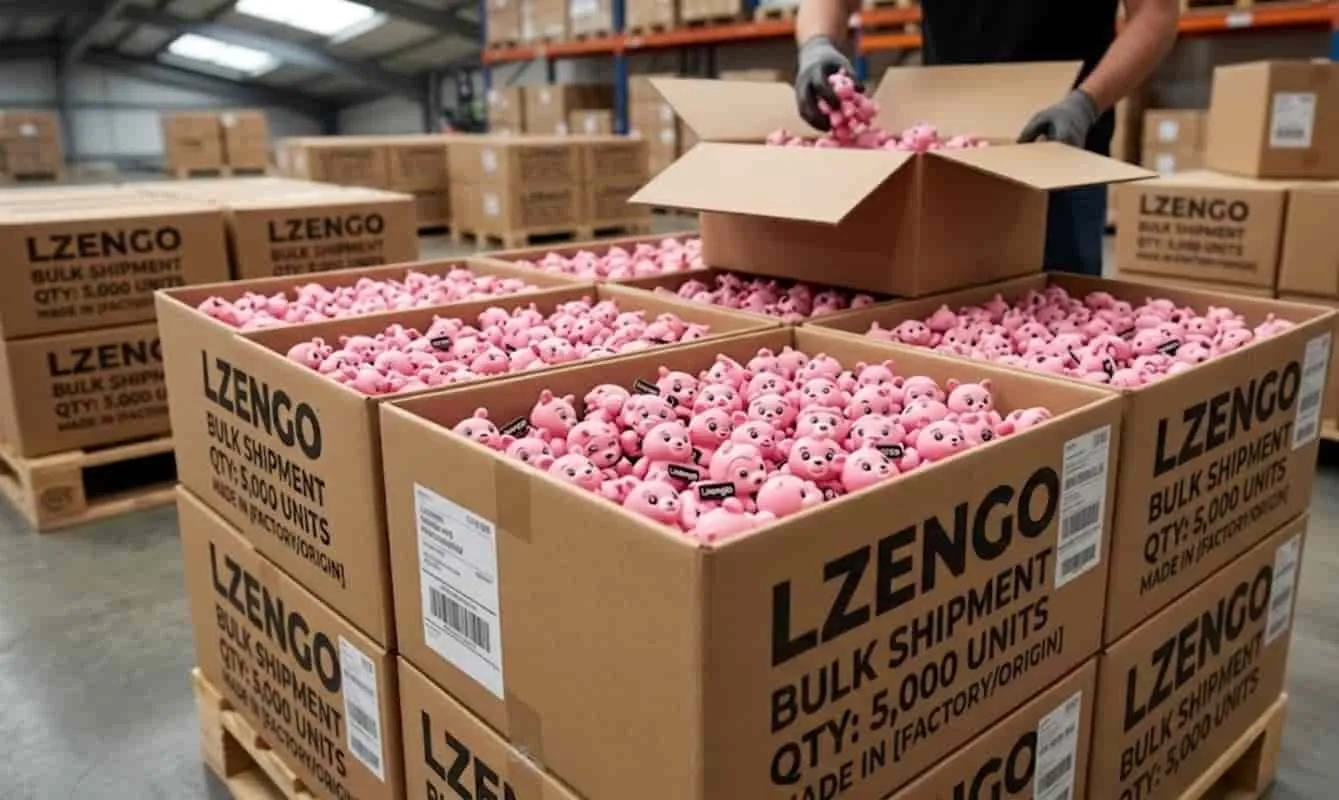
Every line above is charged against the carton rather than against the duck, which is why a carton line on an order is a freight plan and not a box description. It needs the outside dimensions and the inside dimensions, the count inside, the gross and net weight, the pallet pattern with cartons per layer and layers per pallet, and the marks, including the count and the destination. A supplier who cannot produce those lines cannot say what a container holds, and the carriage line quietly becomes an estimate made on the buyer's behalf.
Stacking is the part that gets skipped, and it is the part that shows up as a defect. A tall stack of light cartons compresses the bottom layer, and a compressed duck is a packing failure rather than an accident, so the heaviest cartons belong at the bottom and the carton has to be specified for the stack it will actually carry rather than for the shelf it was designed on. Height decides the carton more often than weight does, which is why a box that bows under the stack above it is already pressing on the ducks inside. Our own packaging notes cover the retail formats that sit around the same box.
What the three-letter terms move
The three letters after an offer decide which of the seven lines belongs to whom, and they are the first thing worth changing before the order. An Incoterm moves the owner of a line without touching the duck, and the International Chamber of Commerce rules allocate exactly that, the tasks, the charges and the risk between seller and buyer, in the current edition of eleven named rules.
Under free on board, the goods become the buyer's aboard the vessel at the port of loading, so the main carriage, the insurance, the duty, the entry and the last leg are all buyer-side lines. Under CIF or CFR the seller books and pays the main carriage to the destination port, while the import entry and the duty stay with the buyer. Under DAP the seller delivers to a named place with the goods ready for import; under DDP the seller also clears the goods for import and carries the duty. A DDP figure and a free-on-board figure are therefore not two versions of one number. They are two different lists of lines, with different owners and different risks, and the only honest comparison puts both on the same seven rows.
What this page does not settle
Five subjects sit around this one and each belongs somewhere else. The box, the weight and the pallet arithmetic belong to the carton note linked above. The packaging formats and what they add to the cube belong to the packaging note. The classification of a specific duck, in a specific market, is a question for a broker with the product in front of them, and a written ruling is worth more than any blog. Carriage rates move week to week and are closed by a forwarder's own document, so nothing here should be read as a rate. Transit performance is its own discipline: the carton and the duck are tested together, and a pack change is a re-test rather than a paperwork update.
What remains on this page is the structure: seven lines, seven bases, seven documents. Structure is the part that survives a change of forwarder, a change of broker, or a change of season, which is why it is worth writing down once and reusing on every order that follows.
Five questions that settle the list
- Which of the seven lines does this offer actually include, and which will arrive later as separate invoices?
- What are the outside carton dimensions, the count inside and the gross weight, stated rather than promised?
- How will the product be described for classification, and which country is the origin?
- How many arrivals will this order become, and can the styles travel together on one entry?
- What is the arrival date, and what does the plan do if the container is two weeks late?
Five answers take less than an afternoon and they ask nothing of the duck. They change the total more than any single negotiation over it, and they are the only part of the seven lines that a buyer fully controls before the goods figure is agreed.
Frequently Asked Questions
Is the duck ever the largest line?
Sometimes. A small, light duck with simple decoration can arrive with carriage and duty out of proportion to the goods figure, because space is charged whether the duck is valuable or not. A large showpiece duck carries its own weight in carriage. The goods line dominates when the value sits in decoration, in tooling or in a design rather than in the space the duck takes, and that is a question about the product rather than about the route.
Why does splitting an order into two shipments add more than carriage?
Each arrival is its own entry, its own insurance declaration and its own last leg, so work that was billed once is billed twice. The ducks are divided while the paperwork is multiplied. Consolidating the styles onto one departure, or at least onto one entry, is the counter-move, and it is decided at packing time rather than at the port.
Does the carton change the duty?
No. Duty follows the classification, the origin and the declared value. The carton changes the carriage, the handling and the space the shipment occupies. A pack that changes how the product is described, such as a single duck becoming a retail gift set, can change the classification, but the box on its own does not move the rate.
Who decides whether the entry is inside the carriage figure?
The forwarder's offer decides it, and it is usually a line a buyer can ask to have stated. Two offers can only be compared on the same list of lines. Where one includes the entry and the other does not, the totals are not measuring the same shipment, and the difference will surface as an extra invoice after the container has sailed.
Final Note
What older advice got right is that the duck is rarely the whole invoice. What it usually left out is the basis. Each of the six lines beyond the duck is charged on something specific, space, value, origin, an entry or a date, and each one is closed by a document that names its owner. Once those bases are written next to the duck, the total stops being a surprise and becomes a checklist that any buyer can hold a supplier to.
My own order is carton, classification, entry count, date. A buyer who works through those four before the goods figure is agreed usually finds that the six lines were never hidden, only unwritten. That is a gentler discovery than the one made at a port counter, and it is available on the first order rather than the second.
Key takeaways
- The line everyone compares and the six nobody writes down: A goods figure is easy to compare because it is the only line that exists before the order.
- Seven lines, and the basis each one is charged on: Read the table as a map of an invoice rather than as a set of rules.
- Freight rides on space, not on the duck: A rubber duck is mostly air.
- Duty rides on the classification and the origin: Duty is a percentage of a value, and the value is not the retail figure the promotion will sell at.
- Brokerage rides on the number of entries: A customs entry is a piece of work: a declaration, a classification line, a value, a duty calculation and a release.
- The last leg rides on a date: Carriage usually stops at a port or a hub.
- The carton is the unit the invoice is built on: Every line above is charged against the carton rather than against the duck, which is why a carton line on an order is a freight plan and not a box description.
- What the three-letter terms move: The three letters after an offer decide which of the seven lines belongs to whom, and they are the first thing worth changing before the order.
- Five questions that settle the list: The seven lines are rarely all in one figure, and the ones left out arrive later as separate invoices.