A reading order for buyers holding more than one reply to the same duck brief.
Three answers to one duck brief can describe three different objects, and the difference is rarely hidden in the total at the bottom of the page. Moving every reply onto a single sheet with the same six fields in the same order, then marking each field as answered, answered with a condition, or missing, turns three documents into one comparison. Read field by field first and as a whole last.
In short: Compare replies field by field, not total against total. A reply that names the duck, the tool, the delivery terms, the documents, the packing and the remedy can be judged on its merits. A reply that skips two of those fields is not short, it is unfinished.
A reply is a document, not a number
A reply is a set of commitments written by someone who expects to be held to them later. That is the standard to read it by. When a message carries one figure and a picture, the figure describes whatever object the writer had in mind, and the picture may have come from a different duck. Neither is wrong, and neither can be compared with a second message written the same way.
The fix is dull and it works: send one brief with numbered fields, ask for the same numbered fields back, and refuse to score a reply until every field has an entry. Buyers who do this stop arguing about the last digit and start noticing which reply avoided the question.
| Field | A complete answer contains | A weak answer sounds like |
|---|---|---|
| What the duck is | Length in inches, compound, colour reference, print faces | Standard size, yellow, logo on front |
| The tool | Stock shape, new tool or buyer-owned tool, and who holds it | We have a mold for this |
| Delivery terms | Trade term, named place, who books freight, carton count | Delivered to your door |
| Documents | Test report, scope, laboratory, signatory on the certificate | All certificates available |
| Packing | Immediate pack, film gauge, units per carton, carton type | Polybag, then a carton |
| Remedy | Point of comparison, who inspects, what a defect is, the options | We guarantee quality |
Field one: what the reply says the duck is
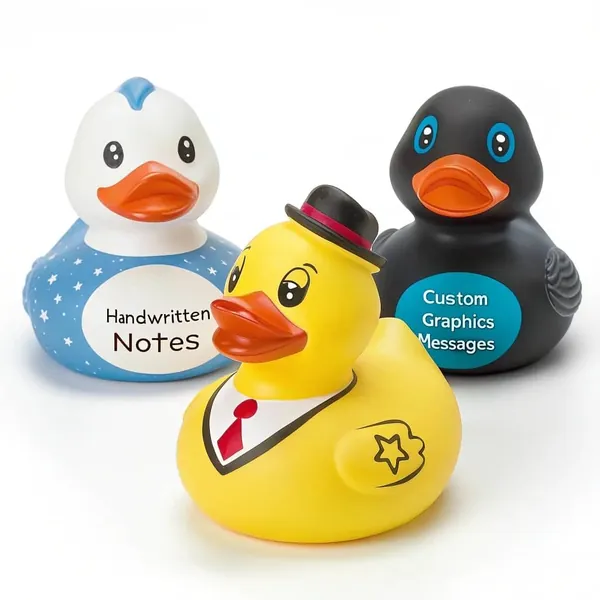
The duck has to be a measurable object before anything else can be discussed: body length in inches, the compound by name, the colour against a reference, the number of print faces and the position of each, and whether the product is sold as a toy or as a promotional item, which decides the labels and age grade the carton has to carry. A reply that says "standard size, yellow, logo on the front" has answered one of the five and left the rest to the reader's imagination.
The toy question is not cosmetic. A duck sold as a children's toy carries a regulated material line, and plasticised parts fall under a specific limit on certain phthalates in the United States. The phthalate rule at 16 CFR 1307.3 prohibits children's toys and child care articles containing more than 0.1 percent of DEHP, DBP or BBP, and it reaches any plasticised component, not only the body. A reply that cannot say what the compound is cannot answer that field either.

Field two: the tool answer and who owns the form
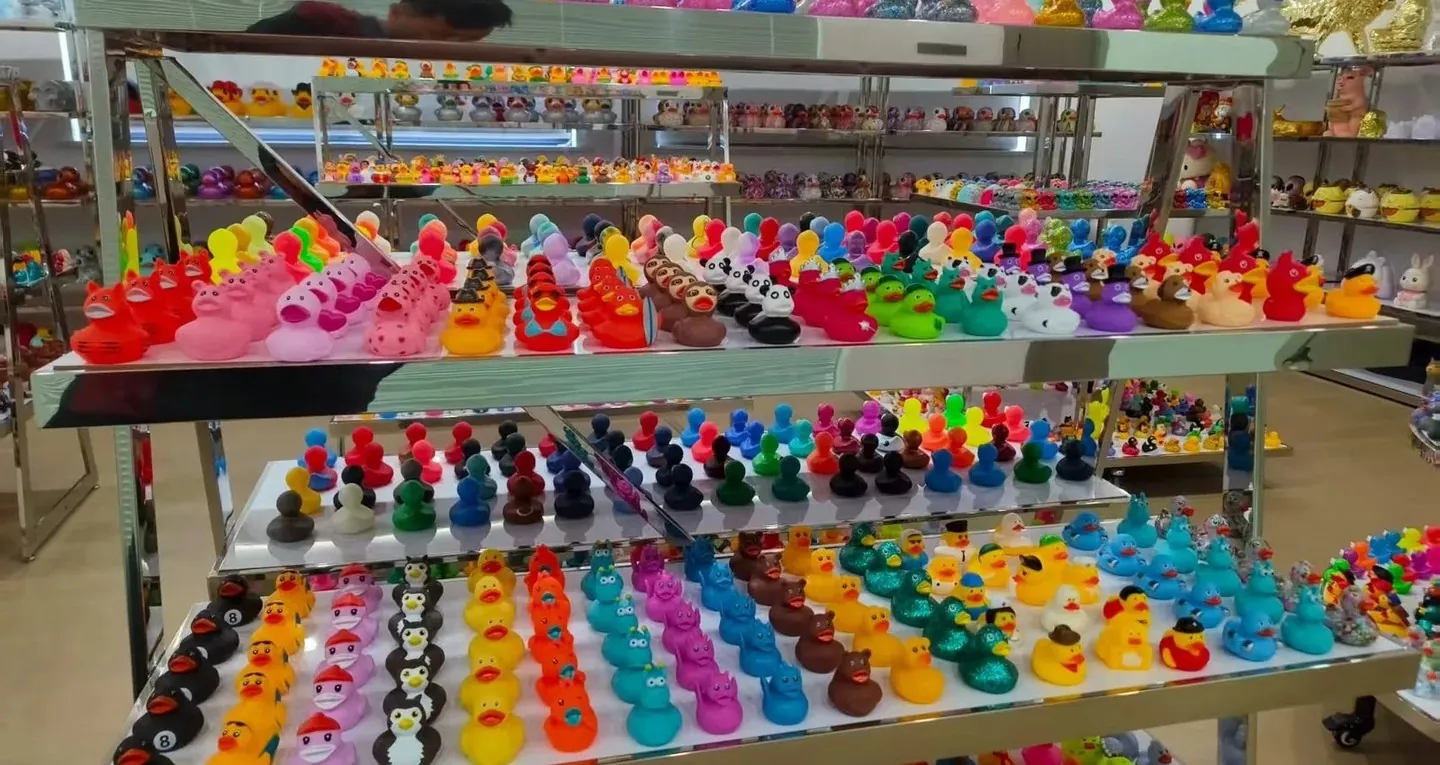
Every reply about a custom duck rests on a tool, and the tool has three states worth separating: an existing stock shape the supplier already runs, a new shape cut for this design, or a tool the buyer paid for on an earlier order and still owns. The reply should say which of the three applies, who holds the tool, and what happens to it when the order closes.
That last point is the one buyers forget to ask. A shape that lives only at one factory is a commitment, and a reply that avoids naming the owner is telling you something about the next order. Stock molds and custom tooling sit on different sides of that line, and a reply that blurs them will blur the reorder too.

Field three: the delivery terms behind the friendly sentence
"Delivered to your door" is not a delivery term; it is a mood. The reply should name the trade term, the named place, who books the freight, who clears the goods, and how many cartons the shipment becomes. Without the carton count, a buyer cannot check the freight against a forwarder, and without the trade term, two replies sit on different floors of the same building and cannot be compared.
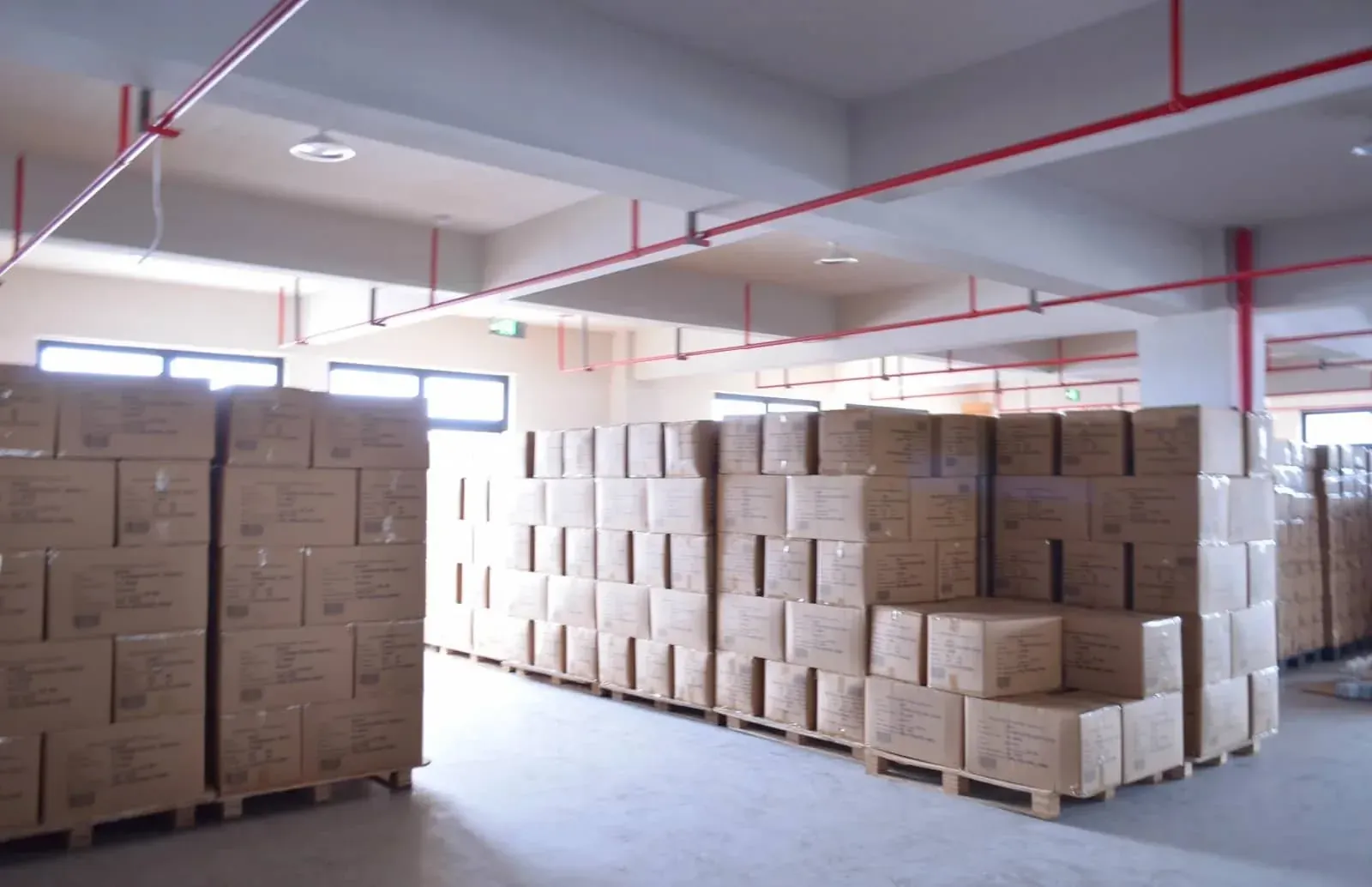
The carton count and the packed weight belong in writing even when the shipment is far away. Not out of distrust for the writer, but because the packing is the part of the reply that has to survive the road. A shipment described in cartons can be tracked; a shipment described as "about a pallet" cannot.
That is also why the carton count belongs next to the inspection record once the goods move. The two documents are written by different people and they have to agree on the same count when a claim arrives.
Field four: the document set, and who signs each sheet
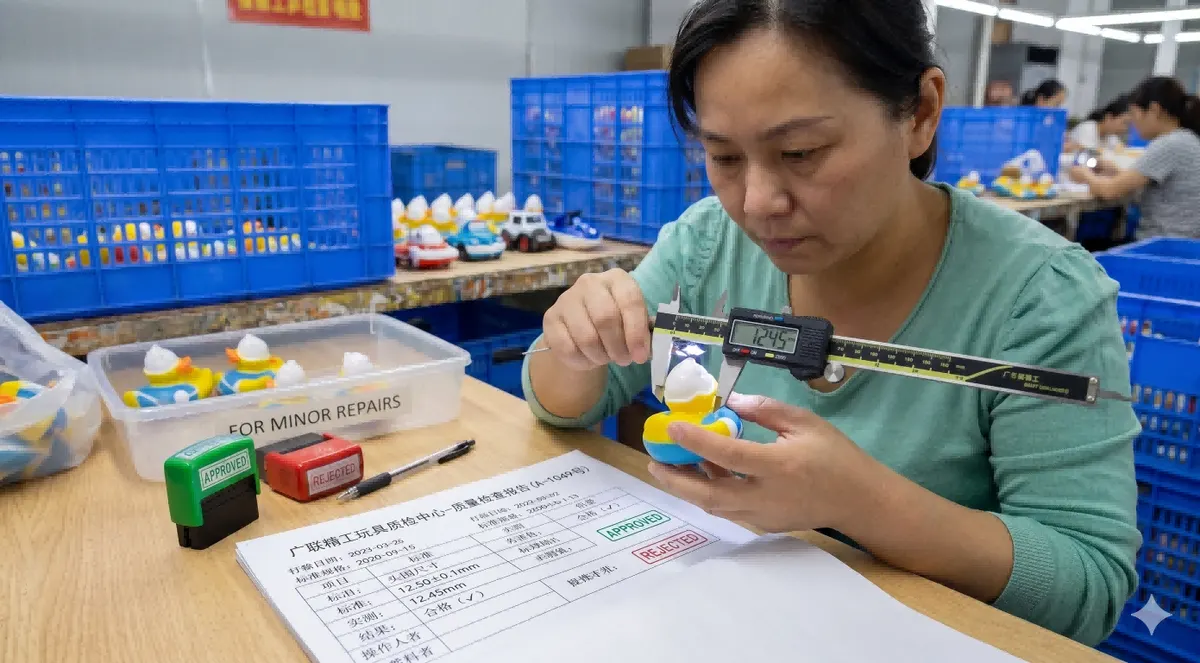
For a duck sold into the United States as a children's toy, the paperwork is part of the product. The CPSC toy safety guidance states that section 106 of the CPSIA made ASTM F963 a mandatory consumer product safety standard for children's toys, and that manufacturers and importers certify compliance by issuing a Children's Product Certificate. A reply should name the test report, its scope, the laboratory, and the party whose name goes on the certificate.
CPSIA section 106 duties are summarised in our toy safety guide.
Read the reply against that sentence. A supplier who is not the manufacturer, and not the importer of record, cannot sign in the wrong column later and expect the buyer to carry the correction alone. The document set is where that responsibility becomes visible, and it is the same file a quality plan has to keep open after the first delivery.
Field five: the packing answer and the carton
Packing is the field that changes the most between replies and gets read the least. It should name the immediate pack, the material, the film or board, the number of units per inner pack, the number of inner packs per carton and the carton itself. For a toy, the film around a duck is not a detail: the CPSC guidance on the toy standard notes that certain plastic film, including packaging, must average more than 0.00150 in. in thickness or be perforated so that one percent of the surface is removed.
A reply that says "polybag" and stops has not answered the field. Ask for the average gauge and the perforation, and compare the answers side by side, because the packing sentence is one of the few places where a supplier's habits show up in writing before anything is produced.

Field six: the remedy clause, which is where a reply shows its age
The remedy is the sentence that says what happens when the goods do not match the approved sample. A reply written by someone who has handled a claim will name the point of comparison, who inspects, what counts as a defect, whether the answer is a replacement, a credit or a repair, and which of those the buyer may choose. A reply that says "we guarantee quality" has answered nothing, because every reply says that.
This field is also where a supplier's age shows. Young desks write remedies in the future tense, as a promise; experienced ones write them in the past tense, as a procedure that has already been run. Neither tone is proof of anything, but the difference is worth marking on the sheet, and it is worth settling in the purchase contract rather than in a chat.
Five questions to put beside any reply
The six fields are the checklist a reply has to answer in writing.
- Does the duck in the reply match the duck in the brief, item by item?
- Who holds the tool, and what does the buyer own after the order closes?
- Which document will be signed, by whom, and against which standard?
- What exactly happens if the goods do not match the approved sample?
Score the reply on the answers, not on the tone. A short reply that answers all six is stronger than a long one that answers four, and the sheet makes that visible in a single pass. Buyers who keep the same sheet for the request they send out can compare replies from different months without rereading every message.
Frequently Asked Questions
Should replies be compared in the order they arrive?
No. Read them in field order, one field across all replies at a time. Reading a whole reply start to finish rewards the writer who sequences well rather than the one who answers fully, and it hides a missing field in the middle of a fluent paragraph.
What if a supplier refuses to answer a field?
Treat the refusal as the answer to that field and record it. Then decide whether the field is essential for your order. A supplier who will not name the film gauge may still be right for a beach toy, and is the wrong partner for a retail programme with a compliance file.
Can a factory reply be compared with one from a trading company?
Yes, if both are read against the same six fields. The difference shows up in the tool question and the document question, where a trading company has to name the factory behind it. Ask for that name in writing and compare what comes back with the rest of the reply.
How many replies are worth comparing?
Two is the minimum for a comparison and three is usually enough to see which fields are being answered by habit across the market. Beyond three, the extra replies mostly repeat the same gaps and take time that is better spent on the sample.
Final Note
A plain reply that answers all six fields beats an elegant one that answers four. The sheet is not bureaucracy; it is the shortest path from a message to a decision, and it keeps the decision in the buyer's hands. When a reply is incomplete, the useful next move is a one-line question about the missing field, not a request for a better version of the whole message. Keep the sheet for the second order as well, because the same six fields will come back, and the answers you collected the first time are the only baseline you will have when a new desk writes to you with a familiar figure attached to a different duck.
Key takeaways
- A reply is a document, not a number: A reply is a set of commitments written by someone who expects to be held to them later.
- Field one: what the reply says the duck is: The duck has to be a measurable object before anything else can be discussed: body length in inches, the compound by name, the colour against a reference, the number of print faces and the position.
- Field two: the tool answer and who owns the form: Every reply about a custom duck rests on a tool, and the tool has three states worth separating: an existing stock shape the supplier already runs, a new shape cut for this design, or a tool the.
- Field three: the delivery terms behind the friendly sentence: "Delivered to your door" is not a delivery term; it is a mood.
- Field four: the document set, and who signs each sheet: For a duck sold into the United States as a children's toy, the paperwork is part of the product.
- Field five: the packing answer and the carton: Packing is the field that changes the most between replies and gets read the least.
- Field six: the remedy clause, which is where a reply shows its age: The remedy is the sentence that says what happens when the goods do not match the approved sample.
- Five questions to put beside any reply: The six fields are the checklist a reply has to answer in writing.