Skip to content
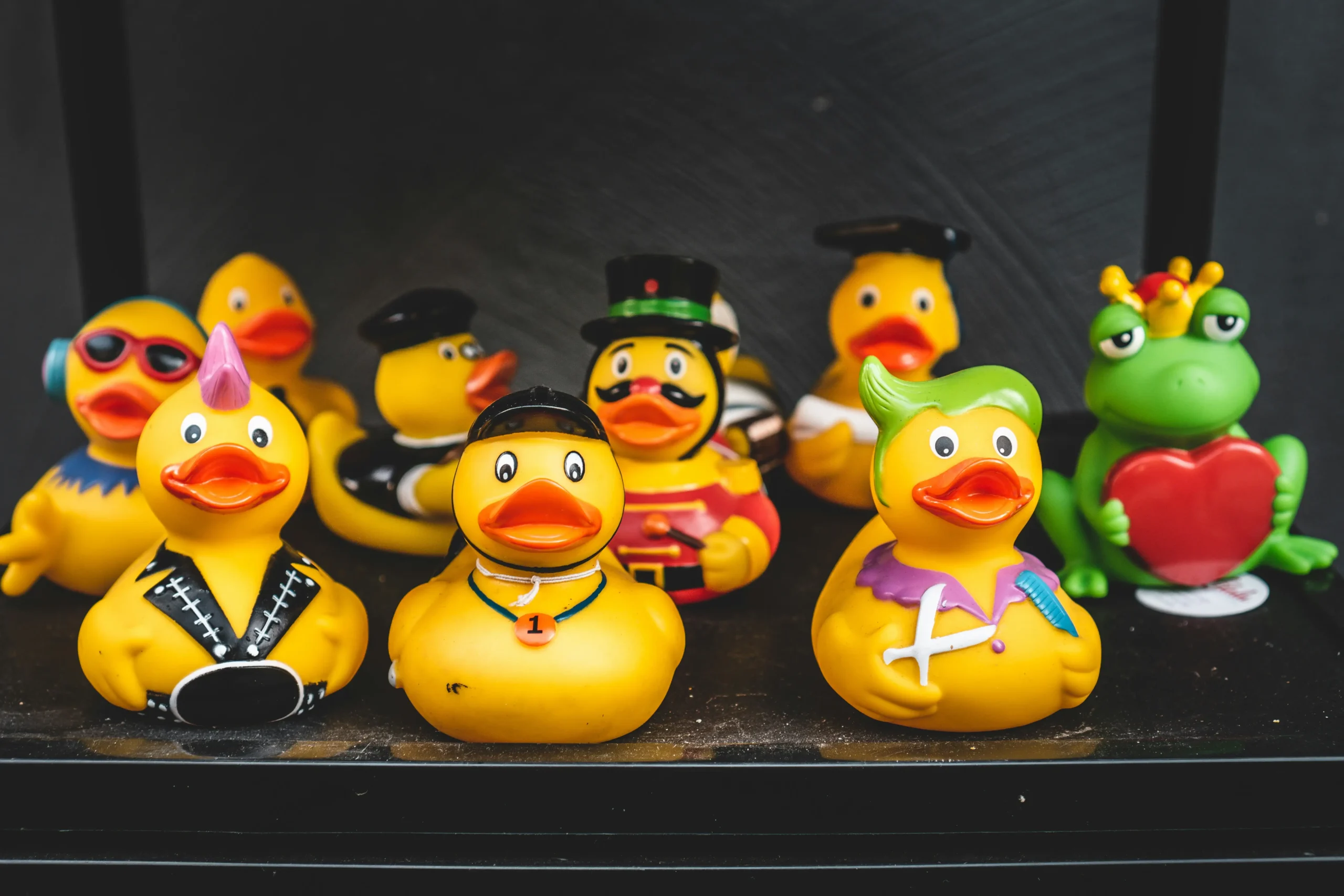
Most brands measure a rubber duck giveaway ROI the same way they measure a pen: by cost per unit. That math says a duck costs $0.50, so the campaign cost $500, and nobody can say what the $500 bought. The frame is wrong before the numbers go in. A giveaway is not a purchase line item; it is a paid media placement that sits on someone’s desk for months, and it earns impressions every single day it stays there.
Factory data from LZENGO shows custom duck orders start at a 1,000-piece minimum with unit pricing that drops as volume climbs, and the 12-hour mockup cycle means the creative decision happens before the budget meeting ends. When you price the duck as an impression asset instead of a trinket, the ROI conversation changes completely. This guide gives you the cost framework, the metrics, and a four-step measurement loop you can run with data you already have.
Why Giveaway ROI Gets Mismeasured
The first mistake is treating the duck like a business card. Business cards get thrown away at conferences within hours; a bright rubber duck on a desk survives the clutter cull because it is not paper and it is not boring. That survival is the asset, and it is precisely what standard promo metrics ignore.
Most campaigns log one number: units distributed. They divide spend by units and call it efficiency. That number punishes exactly the right behavior. A $0.40 duck that sits on a shelf for six months is far more efficient than a $0.10 pen that dies in a trash can on day two, yet the per-unit ledger says the pen won.
The second mistake is measuring the giveaway in isolation. A duck campaign usually runs beside a booth, a launch, or a social push. Teams credit the event and ignore the swag, or credit the swag and ignore the event. Pick one attribution owner before you spend, or the post-campaign meeting dissolves into guesswork.
The Cost Side: What a Duck Campaign Really Costs
Build the cost model from the factory quote, not from retail prices. For custom branded ducks, LZENGO’s starting point is a 1,000-piece MOQ with logo printing included in the unit price, which keeps first-time campaign risk low. You pay for the duck, the logo decoration, and packaging; you do not pay a separate design fee because the mockup is part of the sample workflow.
Use the quote breakdown, not the total, when you report ROI. The useful line items are unit price, mold cost (only for custom shapes), packaging type, and freight. A polybag bulk carton costs less than a retail display box, and the difference can be 10-20% of the landed price per unit depending on order size.
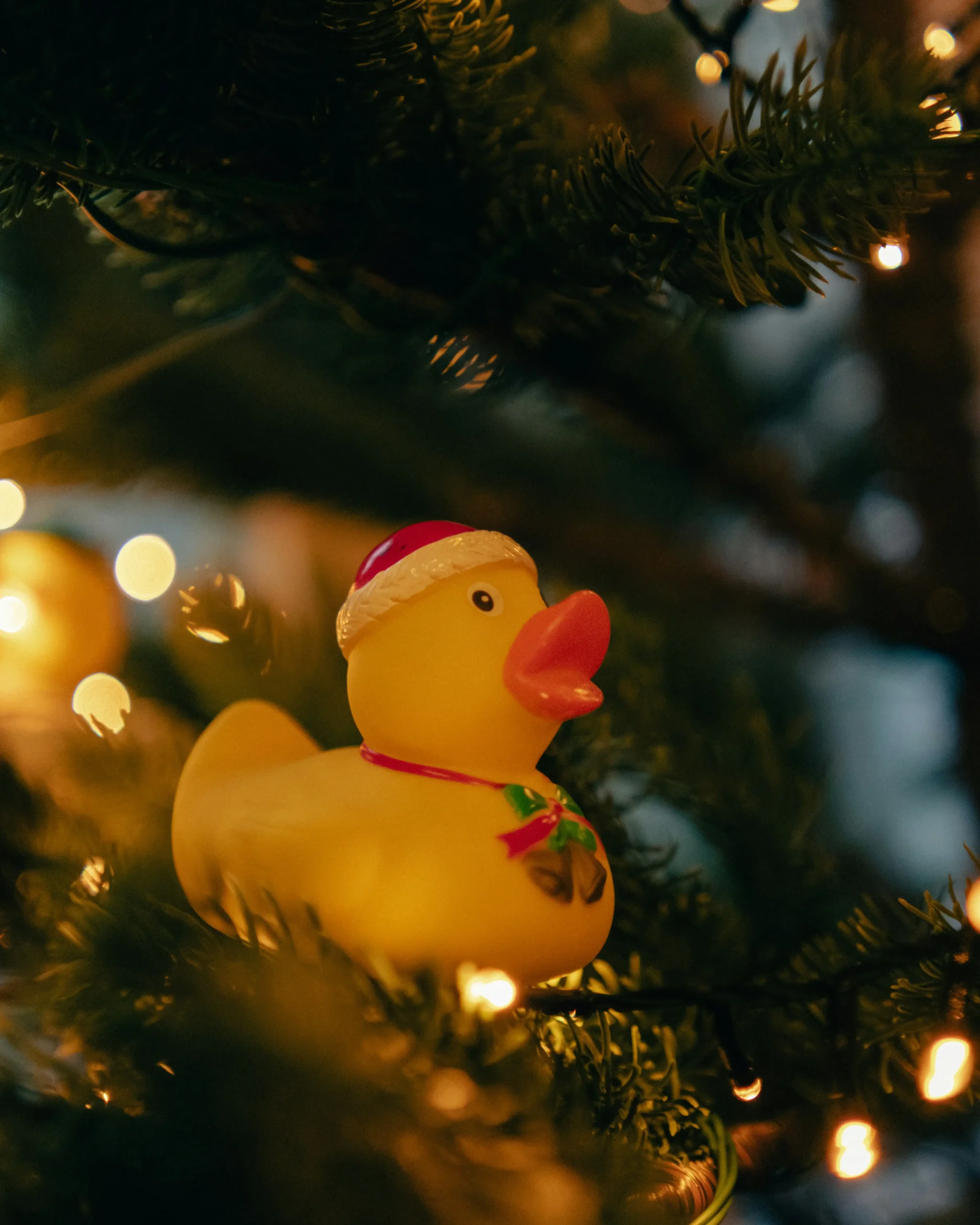
Run the full cost as cost per delivered unit. A 1,000-piece order with freight lands at a different per-unit number than a 50,000-piece container shipment, and the difference changes your ROI model. For event giveaways of 1,000-5,000 units, the whole campaign usually lands below the cost of one trade show banner package, which makes the duck the cheapest sustained impression in the mix. That is the same logic behind trade show booth giveaways, where the duck outlives the booth.
Brand Lift Metrics That Actually Matter
Brand lift is not one number; it is three layers that you can measure with different tools. Capture rate asks how many people took the duck. Contact rate asks how many displayed or used it after the event. Recall rate asks how many remember who gave it to them 30 days later.
Capture is easy: count units gone versus units taken. Contact is harder; you infer it from photos, social tags, and desk sightings in follow-up visits. Recall is the real prize, and it is measurable with a simple post-campaign survey sent to the same audience 3-4 weeks after distribution. Campaigns that treat the duck as a story rather than a handout, like the approach in this giveaway branding guide, tend to score higher on that survey.
A practical proxy used by promo buyers: divide total campaign cost by the number of confirmed displays you can document. If a $1,200 campaign produces 40 documented desk or dashboard displays, the confirmed-display cost is $30 each, and each display keeps producing passive impressions for months. Compare that with the CPM of the ad channel you would have bought instead.
A Four-Step ROI Measurement Framework
Step one: fix the denominator. Set the measurement window at 90 days, not the day of the event. The duck’s job is delayed recall, and a 90-day window is the shortest honest span for a durable giveaway.
Step two: instrument the campaign before you order. Add a QR code or hashtag to the packaging, tag the giveaway on social, and keep the distribution list. Without a capture mechanism, the after-the-fact survey has no list to run against.
Step three: run the 30-day survey. Ask three questions: do you still have the duck, where is it, and which brand gave it to you. The third question is your recall score, and it is the number your boss will actually remember.
Step four: compute three ratios and compare them to the ad channel alternative. Cost per captured unit, cost per documented display, and recall percentage. If you track nothing else, track recall percentage; it is the one number that connects a $0.50 piece of vinyl to a marketing budget conversation.
Plan a Duck Campaign With Numbers You Can Defend
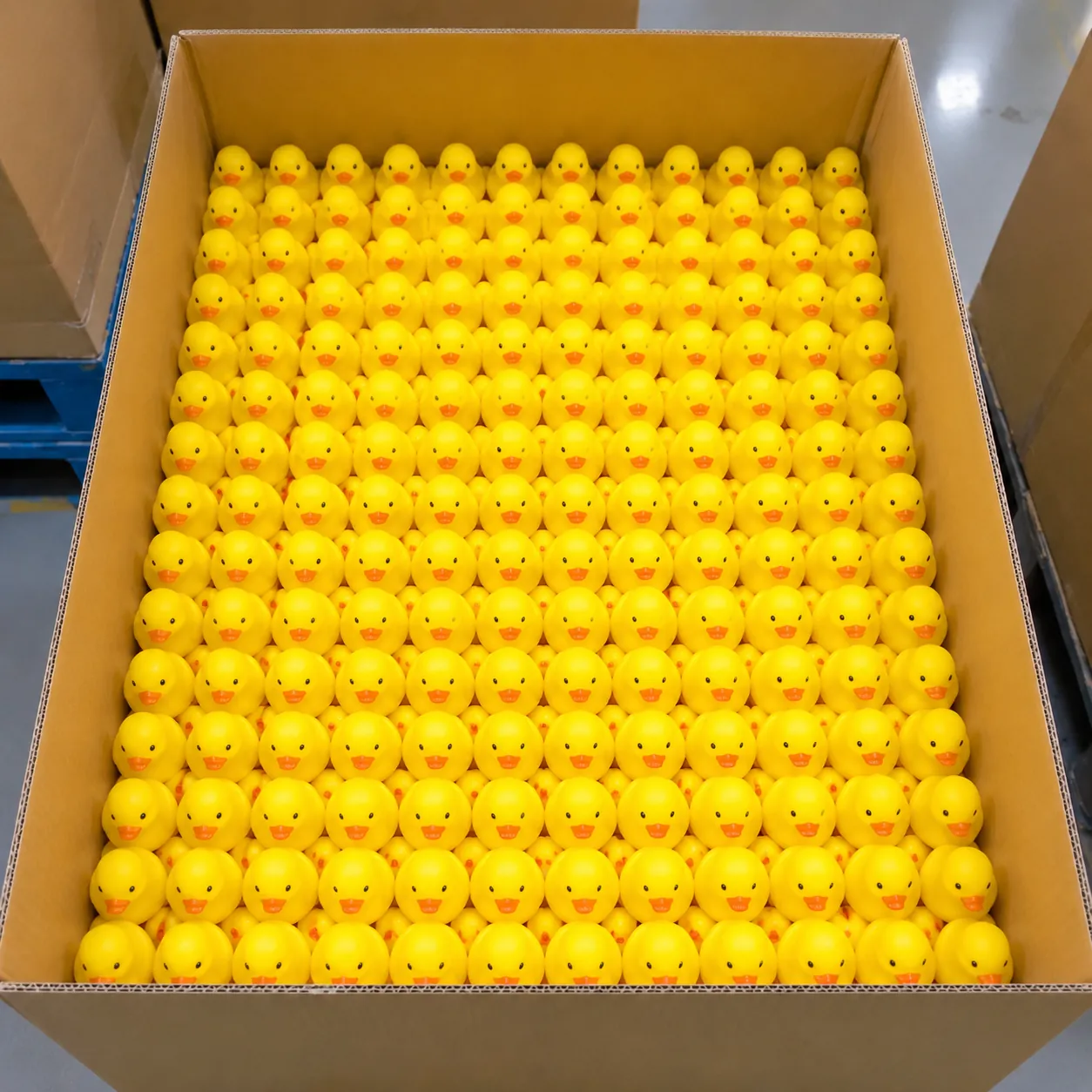
LZENGO handles mockup, samples, printing, and bulk production under one workflow. Send your logo and quantity range, and get a cost structure you can drop straight into an ROI sheet.
12-hour mockups | 7-day samples | MOQ 1,000 | 5M+ ducks/month capacity
Benchmarks and Target Ranges
Set targets from your own baseline first, then compare against industry reference points. The promotional products industry tracks consumer retention behavior through research published by associations like the Promotional Products Association International, and durable items consistently outperform disposable ones on retention. LZENGO’s custom rubber duck manufacturing operates at a scale that keeps these campaigns affordable.
| Metric | How to Capture It | Working Target |
|---|---|---|
| Capture rate | Units distributed vs. units taken | Above 85% at a live event |
| Documented displays | Photos, tags, follow-up visits | 5-10% of units within 90 days |
| 30-day recall | Post-campaign survey | 40%+ brand attribution |
| Cost per display | Total spend / documented displays | Below comparable ad CPM |
Treat these as planning ranges, not guarantees. A duck handed to 2,000 event attendees behaves differently from 50,000 ducks shipped to a retail channel, and your baseline data should override any industry average after the first two campaigns.
When to Skip the Duck
A duck only works when the recipient keeps it. Audiences with no desk, no dashboard, and no shelf will drop the item within hours, and no measurement framework can rescue that. One-way traffic zones like airport terminals or one-day festival exits are weak fits for durable giveaways.
Skip the custom shape upgrade on your first test run. A logo-printed duck at the standard mold price tells you 80% of what you need to know about your audience’s retention behavior, and a custom mold adds cost before you have evidence the format works. Lock the basics first, including a sample approval step before production starts.
ROI measurement starts with the keep decision, and the swag bag trends 2026 guide covers which giveaway items survive the keep-value test.
When the same ducks are reused across loyalty tiers instead of a single event, the loyalty program rubber duck rewards structure spreads the fixed costs over more impressions.
FAQ
What is a good ROI for a rubber duck giveaway?
A working target is a 30-day recall rate above 40% with a confirmed-display cost below your alternative ad channel CPM. Track the same campaign twice before you trust the number.
How much does a branded rubber duck cost per unit?
Custom logo ducks start at a 1,000-piece MOQ, and per-unit price falls as volume climbs toward 10,000 and beyond. Packaging type and freight move the landed price more than the duck itself.
How long does a duck giveaway campaign take to produce?
With a 12-hour mockup and 7-day sample cycle, a logo-printed duck order can move from artwork approval to production in about a week, before bulk lead time is added.
Are rubber ducks better than pens for brand recall?
Durable, desk-visible items generally outlast disposable ones, and the retention data from the promo products industry supports that pattern. Pens win on price; ducks win on staying power.
Can I test a duck campaign without a big order?
Yes. LZENGO’s sample workflow lets you approve the mockup and sample before committing to bulk, so you can validate the design on a small run first.
Related: promotional giveaway ducks that get kept
Related: rubber duck referral campaign structure
Related reading: Social Media Duck Drops: How Brands Run Flash Giveaways.
Related reading: Esports Team Giveaways: Rubber Ducks at Tournaments and Streams.